Engineered Architectural Window Systems for Global Projects
High-performance fenestration products manufactured in our 180,000㎡ industrial intelligent facility. Every profile is alloyed to 6063-T5/T6 structural tolerances, verified to AS2047, NFRC, CE, and Florida Building Code wind-load protocols.
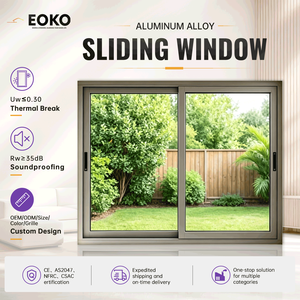
EOKO Energy Efficient Thermal Break Aluminum Sliding Window
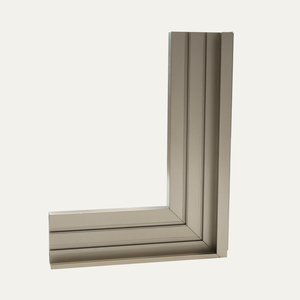
Elegant Adaptable Italian Design Durability Aluminum Windows
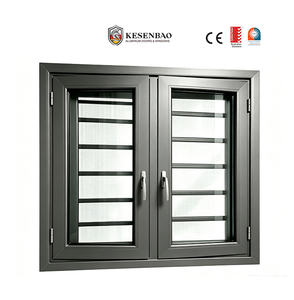
Australian Standard Awning Inward Opening Casement Windows
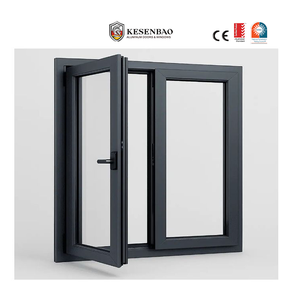
Soundproof Anti-Theft Energy Efficient Casement Kitchen Windows
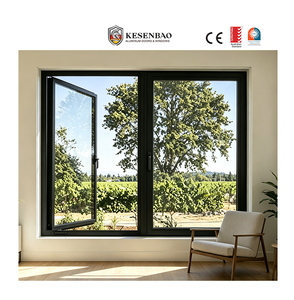
Triple Glazed Custom Thermal Break Office French Casement Windows
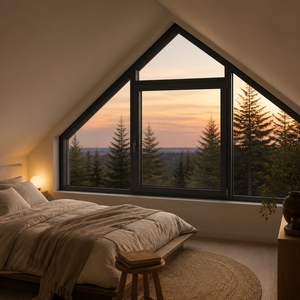
Heavy-Duty Corrosion Resistant Storefront Aluminum Windows
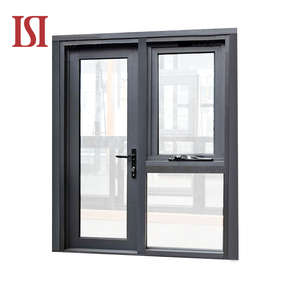
AS2047 Hurricane Impact-Proof Black House Aluminum Windows
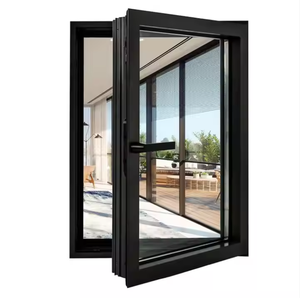
Villa Modern Double Glazed Thermal Break Casement Windows
Precision Fenestration Infrastructure: Inside Foshan's Premier Manufacturing Base
Operating as an internationally accredited original equipment manufacturer (OEM) and structural fabricator, Guangdong Dejiyoupin Doors and Windows Co., Ltd. (DERCHI) enforces rigorous production standards across 180,000 square meters of specialized manufacturing facilities.
Factory Performance Testing Benchmark (AS2047, NFRC, ASTM, BS EN)
The table below outlines our audited laboratory performance benchmarks, certified by independent testing authorities for export across North America, Australia, Europe, and the Middle East.
| Performance Parameter | Test Standard | Certified Performance Value | Architectural Application Suitability |
|---|---|---|---|
| Structural Wind Load (Deflection) | AS 4420.2 / ASTM E330 | Serviceability: 3000 Pa | Ultimate: 4500 Pa (AS2047 N6 Rating) | High-rise coastal towers, exposed hilltops, cyclonic zones |
| Air Infiltration Resistance | ASTM E283 / EN 12207 | < 0.05 L/s·m² @ 300 Pa (Class 4 / Ultra-tight) | Passive House buildings, HVAC energy conservation envelopes |
| Water Penetration Resistance | AS 4420.5 / ASTM E547 | Static & Cyclic: 700 Pa to 1050 Pa zero-leakage threshold | Severe tropical rainfall, typhoons, coastal driving precipitation |
| Thermal Transmittance (U-Factor) | NFRC 100/200 / ISO 10077-2 | Uw 0.82 to 1.35 W/(m²·K) / U-0.14 to U-0.24 BTU/(hr·ft²·°F) | Extreme sub-zero zones & 50°C Middle East desert environments |
| Acoustic Isolation Rating | ASTM E90 / ISO 10140-2 | STC 38 to 44 dB / Rw (C; Ctr) = 42 (-1; -4) dB | Airport perimeters, urban highways, high-density CBD hubs |
| Surface Coating Durability | AAMA 2605 / Qualicoat Class 3 | 10,000-hr Salt Spray Resistance; Fluoropolymer PVDF 70% Kynar 500 | Direct marine coastlines, industrial petrochemical atmospheres |
Future Procurement Trends in Architectural Aluminum Fenestration
Global commercial specifiers, developers, and facade engineers face shifting regulatory environments. Fenestration sourcing is transitioning from simple cost-per-square-meter calculations to rigorous lifecycle metrics.
1. Embodied Carbon & Low-Carbon Extrusions (EPD Mandates)
With the implementation of the EU Carbon Border Adjustment Mechanism (CBAM) and North American Buy Clean policies, leading factories are deploying secondary recycled aluminum billets and green hydro-powered primary ingots. Direct carbon footprint tracking and audited Environmental Product Declarations (EPDs) have transitioned from optional marketing collateral to strict customs and tender pre-requisites for tier-one commercial developers worldwide.
2. Prefabricated Unitized Facades & Modular Envelopes
Severe on-site labor shortages across the United States, Australia, and Western Europe are driving a structural transition toward factory-glazed unitized systems. Exporters that provide fully pre-hung windows equipped with pre-installed sub-frames, integrated perimeter flashing membranes, and standardized structural anchors allow developers to accelerate building enclosure timelines by up to 40% while mitigating on-site waterproofing liabilities.
3. Multi-Point Factory Digital Audits (BIM & VR Quality Loops)
International architectural procurement teams now bypass traditional physical overseas visits in early project phases. Advanced Chinese exporters utilize 360-degree immersive VR factory audits, automated coordinate-measuring machines (CMM), and Level 3 BIM object models. This enables architects to digitally clash-detect window assemblies against complex concrete or steel superstructures prior to raw profile extrusion.
Technical Development Frontiers in Aluminum Window Systems
Modern fenestration operates as a multi-physics barrier system balancing thermodynamic resistance, kinetic water deflection, structural wind loading, and acoustic dampening.
Multi-Chambered Polyamide PA66 GF25 Thermal Breaks
Traditional aluminum extrusions act as rapid thermal bridges, causing severe condensation and energy loss. Next-generation window frames incorporate 34mm to 54mm continuous glass-fiber reinforced polyamide isolators filled with low-density expanded polyurethane (PUR) or aerogel cores. This configuration prevents indoor heat dissipation during sub-zero winters and isolates severe solar radiation in Gulf climates, driving overall fenestration U-values down toward the European Passive House benchmark of 0.8 W/(m²·K).
Advanced Fluoropolymer PVDF & Class I Anodizing
For waterfront residential and commercial applications exposed to salt-laden airborne moisture (ISO 12944 C5-M marine environments), standard powder coatings degrade rapidly. Contemporary architectural export standards mandate 70% Kynar 500/Hylar 5000 PVDF resin coatings complying with AAMA 2605 specifications. This ensures 10-year gloss retention, chalking resistance, and defense against intense solar UV radiation, acidic atmospheric pollutants, and abrasive coastal sandstorms.
Hurricane Impact Glazing & Structural Silicone Glazing (SSG)
Engineered for cyclonic zones across Florida, the Caribbean, and coastal Australia, premium export window systems utilize structural silicone glazing (SSG) alongside ionoplast interlayers (Kuraray SentryGlas®). Unlike standard PVB films, ionoplast sheets provide up to five times the tear resistance and 100 times the rigidity, preventing building envelope breach under extreme positive and negative air pressures up to 9,000 Pa even when the sacrificial glass pane is shattered by wind-borne debris.
Concealed Motorization, Smart Sensors & Micro-Ventilation
The boundary between building management systems (BMS) and fenestration is blurring. Modern aluminum awning and tilt-turn systems now feature completely concealed 24V DC chain actuators, rain/wind aerodynamic automated closure sensors, and integrated electrochromic dynamic solar-control glass. Concealed perimeter multi-point hardware locks maintain sleek interior sightlines without compromising air permeability ratings.
Frequently Asked Questions by Global Specifiers & Importers
Authoritative technical answers to common queries regarding compliance, custom fabrication, quality assurance, logistics, and warranty terms for overseas buyers.
How do Chinese aluminum window factories prove compliance with regional codes such as AS2047, NFRC, and CE?
Credible tier-one manufacturers do not rely merely on internal factory test benches. Compliance is established via third-party accredited laboratories (such as Azuma Design for Australian AS2047/AS1288, Intertek/UL for North American NFRC and ASTM standards, and notified European bodies for CE EN 14351-1). Always request full laboratory test reports containing structural deflection charts, air-infiltration curves, and water penetration limits mapped directly to your project’s designated wind category (e.g., N1 through N6 cyclonic).
What is the standard production lead time for fully customized architectural window orders?
Typical manufacturing timelines range from 30 to 45 calendar days following formal approval of final shop drawings and glass submittals. Custom architectural extrusions requiring bespoke die creation add approximately 10 to 14 days for die tooling, extrusion test runs, and dimensional verification. For large residential developments or commercial orders exceeding 5,000 square meters, staged shipping schedules are established to coordinate precisely with the contractor’s tower crane and installation schedule.
How is damage, glass breakage, and marine moisture oxidation prevented during long ocean freight?
Professional fenestration exporters utilize a multi-barrier export packaging protocol. Windows are protected with peelable protective film on all exposed aluminum surfaces, edge-guarded with high-density EVA foam caps, sealed inside heavy vapor-barrier plastic wraps containing industrial silica desiccant bags, and strapped securely into fully fumigated ISPM-15 compliant plywood crates or steel transportation A-frames. This ensures zero saltwater mist corrosion and protects against maritime container shifting during transoceanic transit.
Can the factory engineer thermal break profiles to withstand extreme temperature differentials (e.g., -30°C exterior to +22°C interior)?
Yes. High temperature differentials induce bi-metallic deflection, commonly known as the "curl effect," where the exterior aluminum skin contracts or expands significantly more than the interior skin. Our engineering team calculates these thermal stresses and employs split-extrusion thermal breaks, sliding crimped polyamide bars, and multi-chamber flexible EPDM gasket channels that absorb differential thermal expansion without bowing the window sash or breaking the weather-tight seal.
What documentation must be submitted by the buyer to receive an accurate, project-specific commercial quotation?
To generate an actionable tender-grade quotation and preliminary shop drawings, our estimators require: (1) The architectural window schedule specifying rough opening dimensions, quantities, and opening types; (2) Performance specifications including target U-factor, SHGC, and STC values; (3) Glass configuration preferences (e.g., double Low-E vs. triple laminate); (4) Surface finish and color criteria (powder coat RAL code or anodized microns); and (5) The project delivery destination to calculate optimized logistics, port clearance, and container utilization.
What warranties are offered on structural frames, hardware mechanisms, and insulating glass units (IGUs)?
Our standard international export warranty package provides: 10 years of structural warranty on all 6063-T5 aluminum extrusions against material defects and catastrophic failure; 10 years on insulated glass units against seal failure, internal desiccant dusting, and optical fogging; 10 to 15 years on AAMA 2605 fluoropolymer coatings against severe chalking or fading; and 5 to 10 years on heavy-duty European hardware fittings (such as Siegenia, Roto, or CMECH) covering mechanical operation.
Accelerate Your Project With Direct Factory Engineering Support
Submit your window schedule, architectural elevations, or structural tender specifications. Our senior fenestration engineers will provide free preliminary CAD shop drawings, glass thermal calculations, and a factory-direct commercial proposal within 24 business hours.