Wind-Resistant
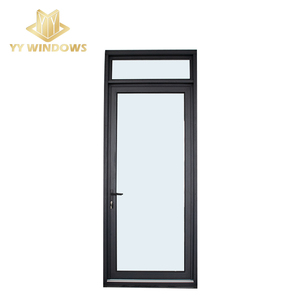
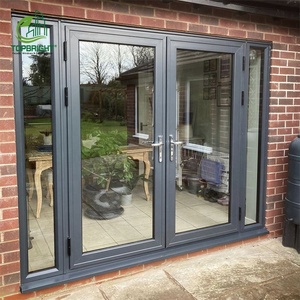
From high-velocity wind loads in Santa Fe towers to soundproof acoustic barriers along Paseo de la Reforma, our precision-extruded 6063-T6 aluminum architectural exterior doors and windows are engineered for Mexico City's demanding urban typography.
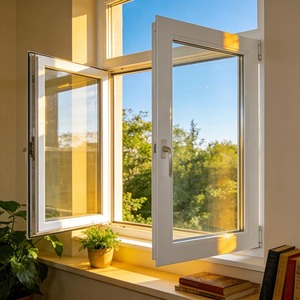
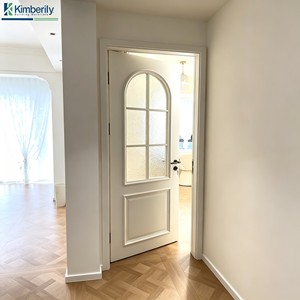
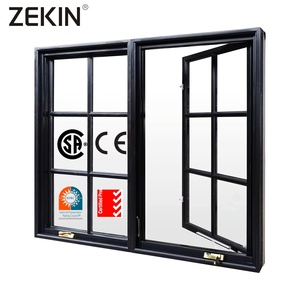
Intelligent CNC extrusion, robotic welding, and automated surface treatment center.
In-house facade engineers, structural drafters, and certified QA technicians.
Compliance with CE, ISO 9001, AS 2047, and UL fire standards.
Delivering OEM/ODM fenestration across North America, the GCC, and Latin America.
Exporting architectural exterior aluminum systems to Mexico City (CDMX) requires addressing hyper-local microclimates, high-altitude UV radiation, soft-soil seismic mechanics, and rapid acoustic pressure shifts. A generic European or North American standard door is prone to early perimeter failure if not custom-engineered for the Valley of Mexico.
Mexico City sits on a historic lakebed characterized by soft lacustrine clays prone to high seismic wave amplification. Our OEM aluminum exterior doors incorporate floating perimeter subframes and slotted anchor brackets designed to absorb inter-story drift without racking glass panels or binding operating hinges during seismic events.
At 2,240 meters above sea level, ultraviolet radiation is significantly more intense than at coastal latitudes, leading to chalking and embrittlement of standard finishes. We specify architectural-grade Qualicoat Class 2 fluoropolymer and Kynar 500 PVDF electrostatic coatings that withstand severe solar degradation over decades.
Developments situated along major CDMX thoroughfares such as Viaducto, Insurgentes, and Anillo Periférico experience ambient acoustic pollution exceeding 78 dB. Our doors implement asymmetric double/triple-glazed insulated glass units (IGUs) filled with argon gas, achieving lab-certified STC ratings of 40–44 dB.
Developers in Polanco, Bosques de las Lomas, Santa Fe, and Roma Norte are upgrading exterior envelope criteria to meet international ESG benchmarks and domestic energy regulations.
Municipal energy efficiency codes in Mexico now mandate strict overall thermal transfer value (OTTV) thresholds for building envelopes. Thermally broken profiles utilizing 24mm–34mm PA66 reinforced polyamide strips have shifted from an optional luxury to a regulatory necessity for multi-family residential certifications.
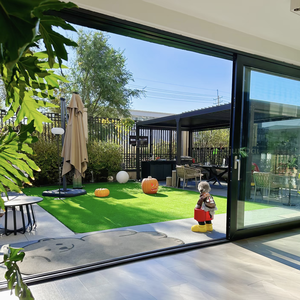
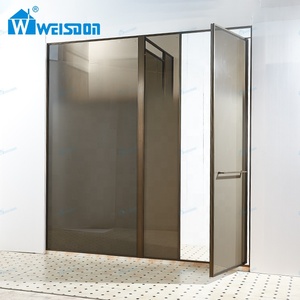
CDMX's temperate year-round climate has stimulated demand for ultra-wide, minimal-frame sliding patio systems and oversized pivot doors. Condominium blueprints increasingly demand multi-track pocketing sliding doors that slide seamlessly into wall cavities, unifying living salons with exterior balconies.
The relocation of international corporate headquarters and manufacturing executives to Mexico has driven high absorption in luxury rental towers. Institutional developers require commercial-grade multi-point locking hardware, smart biometric integrations, and fire-resistant performance verified by international testing labs.
Review our component-level comparison to see how our engineering specifications address Mexico City's structural requirements.
| Performance Vector | Common Local Market Standard | DERCHI OEM/ODM Export Specification | CDMX Site Advantage |
|---|---|---|---|
| Alloy Metallurgy | Recycled 6063-T5 (variable wall thickness 1.2–1.4mm) | Primary Billet 6063-T6 (Uniform wall thickness 2.0–3.0mm) | Structural Rigidity High deflection resistance in Santa Fe towers |
| Thermal Isolation | Uninsulated or basic resin pour-and-debridge | Polyamide PA66 GF25 engineered thermal breaks (24–34mm) | NOM-020-ENER Compliant U-values down to 1.4 W/m²K |
| Seismic Interlock | Rigid screw fasteners prone to structural shear | Slotted dynamic subframe brackets & flexible perimeter joints | Zone III Safe Absorbs inter-story drift during seismic activity |
| Surface Finish | Standard electrostatic powder (Qualicoat Class 1) | Qualicoat Class 2 / PVDF Kynar 500 (3-coat architectural) | UV-Resistant 20+ year colorfast warranty under high-altitude sun |
| Glazing Interlayer | Standard clear tempered monolithic glass | Acoustic PVB (0.76mm/1.52mm) or SentryGlas Laminated IGUs | Acoustic Shield Reduces Reforma/Insurgentes traffic noise by ~42 dB |
Operating a modernized 180,000㎡ industrial footprint in Foshan, China, we operate as an end-to-end OEM/ODM production partner for major architectural developers, general contractors, and door distributors throughout Mexico.
Equipped with advanced multi-axis CNC machining, automated powder coating, and dedicated assembly lines supporting high-volume project deliveries.
Our engineering team provides comprehensive CAD elevations, structural joint calculations, and BIM models within 24 hours of receiving door schedules.
Certified under ISO 9001, CE, AS 2047, and UL fire standards, ensuring predictable compliance for cross-border architectural tenders.
Every frame and panel is packed in heavy-duty steel-reinforced OSB crates with anti-scratch protective film, desiccants, and shock indicators for ocean transport.
Practical answers to typical commercial and technical questions encountered when procuring OEM/ODM exterior doors for Mexico City job sites.
Our products feature precision-extruded PA66 GF25 thermal breaks combined with Low-E argon-filled double or triple glazing. These systems achieve total heat transmission U-values between 1.4 and 1.8 W/m²K, comfortably satisfying the envelope solar gain limitations mandated under NOM-020-ENER and NOM-008-ENER.
Shipments typically depart via Shenzhen or Guangzhou ports to the Port of Manzanillo or Lázaro Cárdenas on the Mexican Pacific coast (approx. 20–25 days transit time). From port clearance, inland bonded trucking to CDMX takes 2–4 days. We provide complete commercial documentation, packing lists, and HS code classifications (HS 7610.10) for streamlined customs brokerage.
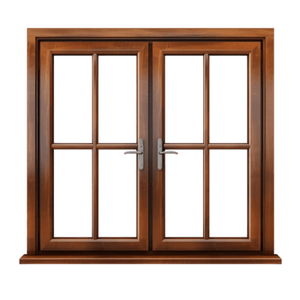
Yes. As a pure OEM/ODM manufacturer, we do not restrict clients to stock modular sizing. We regularly produce architectural pivot doors up to 4.5 meters in height, slim-line telescoping multi-track sliders up to 12 meters in width, and bespoke arched top casements aligned with historical colonial renovation guidelines.
Our export packaging utilizes fumigated solid-timber or heavy engineered composite crates reinforced with corner angles. Glass units feature individual cork pads, edge-guards, and water-resistant shrink wrap. Hardware is packed in separate heavy-gauge interior compartments to prevent metal-on-metal transit abrasion.
We partner with leading German and Italian hardware houses (Siegenia, Hoppe, Sobinco, G-U) alongside our proprietary DERCHI heavy-duty hardware line. Operating hinges, pivot spindles, and multipoint locksets are cycle-tested up to 200,000 openings and backed by a comprehensive 10-year manufacturer warranty.
We support remote auditing via our interactive 360° VR digital factory platform and arrange real-time video inspections with our bilingual engineering team. In addition, third-party global quality inspection firms (such as SGS, TÜV, or Bureau Veritas) are welcomed at our Foshan facility prior to container balance dispatch.
Send our senior engineering team your architectural elevations, door schedules, or structural CAD drawings. Receive an engineered proposal, complete thermal calculations, and factory-direct export pricing within 24 hours.