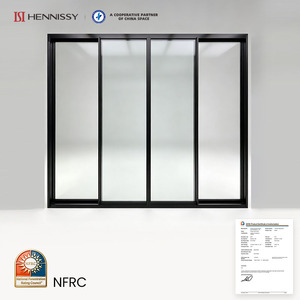
Featured Engineering Portfolio
Architectural OEM Door & Fenestration Assemblies
Explore our precision factory-calibrated inventory engineered for multi-climate thermal isolation, heavy marine conditions, ultra-slim visual sightlines, and impact acoustic control.
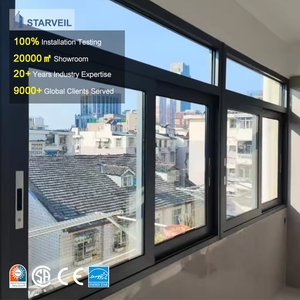
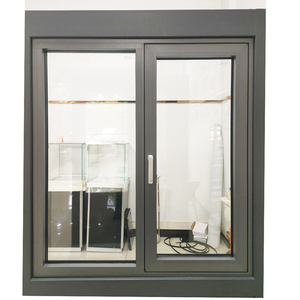
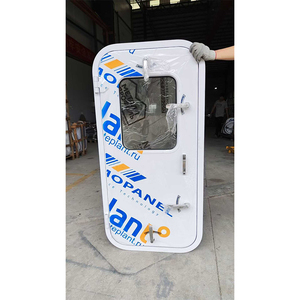
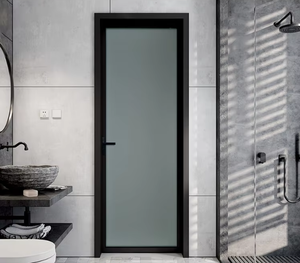
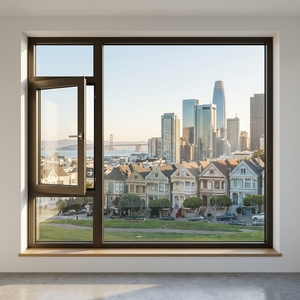
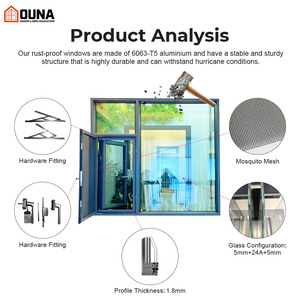
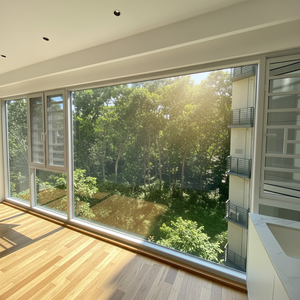
Material Science & Structural Mechanics
What Is Custom OEM Aluminium Fiber Door Architecture?
Understanding the molecular convergence of continuous filament fiberglass, carbon-reinforced matrices, and 6063-T6 structural aluminum extrusions in next-generation high-span architectural building envelopes.
Hybrid Fiber-Metal Matrix Integration
By co-curing glass-fiber-reinforced polymer (FRP) and continuous carbon fiber laminates within primary stress-bearing aluminum extrusions, the door leaf achieves an unprecedented strength-to-weight ratio. This prevents mechanical sagging across oversized pivot leaves exceeding 4.5 meters in height while retaining an exceptionally low thermal bridging path.
Near-Zero Linear Thermal Expansion
Standard metallic doors exhibit dimensional instability when subject to the "bi-temperature curling effect"—where exterior skin temperatures hit 75°C while interiors remain at 21°C. The integration of thermoset structural fiber composites mitigates thermal expansion to less than 0.012 mm/m/°C, ensuring multi-point deadbolts engage perfectly year-round.
Acoustic Decoupling & Core Density
The multi-layered composite sandwich—combining an outer aluminum alloy armor, a solid basalt fiber insulating core, and a fiberglass structural rib matrix—acts as an acoustic vibration dampener. The assembly naturally attenuates transmission frequencies, yielding tested STC ratings up to 45 dB without needing excessively heavy lead sheeting.
Procurement Intelligence
Future Procurement & Engineering Trends (2025–2030)
Strategic market analysis for facade consultants, EPC contractors, and high-end distributors navigating tightening energy benchmarks and high-span fenestration demands.
Procurement Paradigm Shift
1. Decarbonization & Low-Carbon Aluminum Directives
Global building codes (such as LEED v4.4, BREEAM, and the EU CBAM carbon border tax) are actively driving specifiers toward doors utilizing certified low-carbon billet aluminum (recycled hydro-electric aluminum) combined with bio-resin fiberglass core materials.
| Criterion | Traditional Entry Doors | Next-Gen OEM Fiber-Alu |
|---|---|---|
| Thermal Conductivity | High (Uf: 2.8 - 4.5 W/m²K) | Ultra-Low (Uf: 0.8 - 1.2 W/m²K) |
| Leaf Weight (3m x 1.8m) | 280 kg - 350 kg (Heavy sag risk) | 130 kg - 165 kg (Engineered dynamic) |
| Salt Spray Resistance | 600 hrs before blister | 3,000+ hrs (C5 Marine Certified) |
Contractors procuring for coastal zones in Dubai, Miami, or Sydney require third-party laboratory verification for ASTM B117 salt fog corrosion testing alongside verified Environmental Product Declarations (EPD).
Architectural Direction
2. Ultra-High Spans & Smart Building Integration
Modern architectural drawings increasingly omit standard transoms in favor of monumental continuous slabs up to 5 meters in height. The adoption of continuous fiber stiffeners prevents windward deflections under cyclonic pressure tests up to 6,000 Pa (equivalent to Australian AS 2047 N6 rating).
Furthermore, OEM manufacturing now requires hardware routing that houses concealed smart automation—such as integrated motorized concealed floor pivots, biometric 3D facial recognition sensors, and dry-contact building management system (BMS) interfaces—without compromising thermal seals or creating moisture traps.
Direct Factory Infrastructure
Guangdong Dejiyoupin Doors and Windows Co., Ltd. (DERCHI)
Recognized as an industry-leading fenestration manufacturer in China, DERCHI brings over 25 years of engineering mastery to custom OEM/ODM architectural fabrication. Operating from an expansive 180,000㎡ smart manufacturing base in Foshan, Guangdong, we bridge the gap between architectural blueprints and turn-key site installation.
- Stringent International Certification: Products certified to CE, ISO 9001, Australian AS 2047 (N6 Cyclonic rating), and UL fire-rated standards.
- Bespoke OEM Tooling & Free CAD Shop Drawings: In-house drafting teams engineer custom extrusion dies, reinforcement brackets, and finish profiles within 24 hours.
- Precision Surface Treatments: Automotive-grade PVDF fluorocarbon coatings, multi-layer anodizing, and marine-spec anti-corrosion finishes built for desert heat and salt spray.
- End-to-End Export Assurance: Steel-reinforced wooden crate packaging, full structural pre-assembly testing before crating, and English-speaking engineering project support.

Procurement & Technical Support
Frequently Asked Technical Questions
Clear, engineering-backed answers addressing the most common design, specification, and logistics concerns raised by project engineers and commercial buyers.
What differentiates an OEM Aluminium Fiber Door from standard commercial hollow metal or pure aluminum doors? +
A standard hollow metal door suffers from excessive dead weight and prone thermal bridging, while pure aluminum profiles are vulnerable to thermal bending across extreme temperature differentials. An Aluminium Fiber Door combines an exterior architectural aluminum alloy skin with internal continuous glass fiber or carbon fiber composite stiffeners and an insulated structural foam/basalt core. This eliminates the risk of door blade distortion ("cupping" or "bowing"), lowers overall weight on the pivot hardware by up to 45%, and achieves thermal insulation performance (U-values below 1.2 W/m²K) that pure metals cannot match.
How do custom OEM finishes withstand intense coastal humidity and desert ultraviolet (UV) radiation? +
For severe outdoor environments, DERCHI applies 3-coat, 2-bake architectural PVDF (polyvinylidene fluoride) fluorocarbon coatings containing a minimum of 70% Kynar 500 resin, compliant with AAMA 2605 specifications. This treatment is backed by 3,000 hours of continuous salt spray testing and withstands chalking, peeling, and UV degradation even under ambient surface temperatures exceeding 80°C in the Middle East and coastal tropical territories.
Can you manufacture custom oversized pivot leaves and meet UL fire ratings? +
Yes. Our engineering department specializes in high-dimension pivot leaves reaching up to 5,000 mm in height and 2,200 mm in width. For commercial projects requiring life-safety approvals, our production line manufactures assemblies tested and certified to UL 10C and British BS 476 fire ratings (offering 30, 60, and 90-minute ratings) using specialized ceramic intumescent perimeter seals and non-combustible fiber insulation cores.
What is your typical lead time for custom OEM tooling and shop drawing submittals? +
Upon receiving architectural elevations, schedules, or structural CAD files, DERCHI delivers complete 2D/3D shop drawings within 24 to 48 hours for consultant approval. Custom aluminum profile die manufacturing takes 10 to 14 days, with pre-production sample extrusions available immediately thereafter. Mass project fabrication cycles run between 25 to 35 days, with pre-assembly verification and photo/video reporting conducted prior to final crating.
How are oversized door slabs protected against damage during ocean freight? +
Every door leaf is sealed in multi-layer PE moisture-barrier film, protected with high-density EPE foam corner guards, and encased in custom fumigated plywood crates reinforced with internal steel perimeter channels. For oversized pivot doors, specialized steel A-frames are fabricated directly inside the shipping container to prevent flexural torque or glass point-load stress during heavy sea transport.
Partner with an Established Global Door Manufacturer
Whether you require custom extrusion dies, high-security multi-point pivot hardware, or certified NFRC/AS 2047 fenestration packages for master-planned developments, our bilingual engineering group is ready to support your specifications.