China Wholesale Aluminium Double Glazed Windows Suppliers & Exporter
Precision thermal-break engineering, NFRC & AS2047 certified architectural glazing systems, factory-direct manufacturing, and end-to-end global project delivery for commercial developers, general contractors, and trade importers.
Export Product Portfolio
Engineered Double Glazed Windows & Architectural Door Systems
Guangdong Dejiyoupin Doors and Windows Co., Ltd. (DERCHI) operates one of Foshan's largest computerized fenestration production centers with German CNC routing and automated IGU assembly.
600+
Certified Technicians & Engineers
Over 600 full-time facade specialists, precision metal fabricators, and structural engineers providing free CAD shop drawings, wind load calculations, and BIM integration.
100+
Global Patents & Certifications
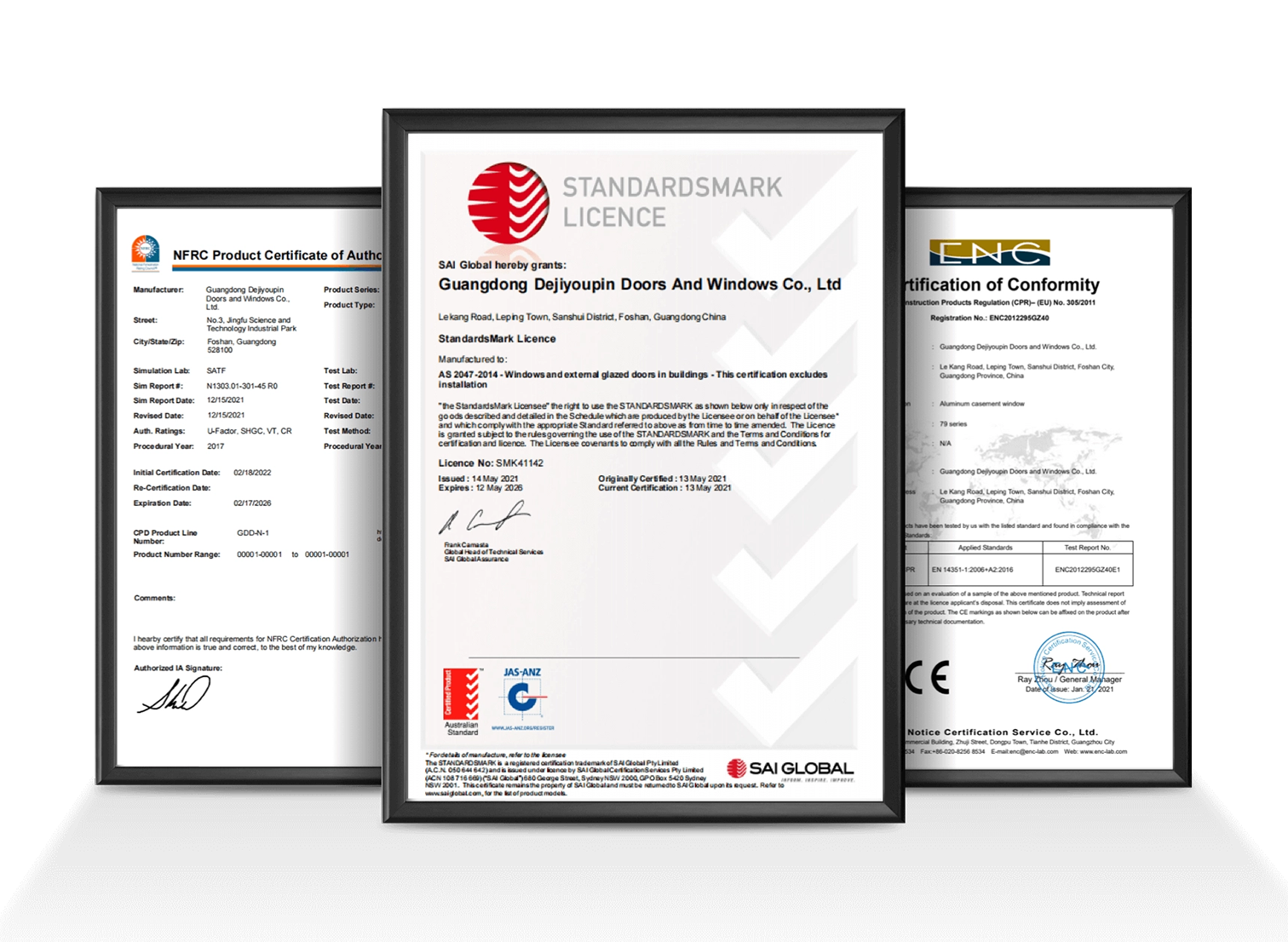
Tested and certified to North American NFRC/AAMA, Australian AS2047, European CE EN 14351-1, ISO 9001, and UL fire-rating standards for hassle-free building authority approvals.
Technical Sourcing White Paper
The Engineering & Sourcing Matrix for Aluminium Double Glazed Windows
An authoritative engineering breakdown for international developers, quantity surveyors, facade consultants, and procurement managers seeking optimized energy ratings, structural safety, and competitive container freight economics from China.
In commercial and multi-residential building envelopes, specifying aluminium double glazed windows has evolved far beyond selecting aesthetic finishes. Today, fenestration represents up to 40% of building envelope thermal exchange and plays a critical role in determining HVAC operational expenditures, overall lifecycle carbon assessment (LCA), and stringent compliance with national energy efficiency codes (such as US ASHRAE 90.1, Australian NCC Section J, and European EN ISO 10077-1). Sourcing directly from top-tier Chinese manufacturers provides institutional buyers with substantial economies of scale, access to cutting-edge extrusion alloy technologies, and advanced automated Insulated Glass Unit (IGU) manufacturing lines.
However, the global fenestration supply chain requires thorough scrutiny of material composition. Premium Chinese suppliers like Guangdong Dejiyoupin Doors and Windows Co., Ltd. (DERCHI) utilize high-purity virgin 6063-T5 or 6063-T6 aluminum alloys, ensuring an ultimate tensile strength exceeding 205 MPa and yielding high deflection resistance against cyclonic wind pressures. Unlike secondary scrap extrusions that contain micro-inclusions leading to structural fatigue, primary alloy profiles maintain superior anodizing and fluorocarbon PVDF finishes that resist salt-mist degradation, solar UV radiation, and surface crazing across decades of environmental exposure.
Glazing Specification
Overall U-Value (W/m²·K)
Solar Heat Gain (SHGC)
Acoustic Attenuation (Rw / STC)
Best Architectural Applications
Standard Double Clear (5mm + 12A + 5mm)
2.7 - 2.9
0.72
31 dB / STC 30
Standard interior partitions, mild temperate residential low-rise
Established over 25 years ago in Foshan, Guangdong—the world epicenter of architectural aluminum fabrication—DERCHI has grown into a premier fenestration benchmark. Our manufacturing matrix encompasses robotic cutting centers, automated 45-degree angle crimping, dual-component silicone edge-sealing for IGU units, and multi-stage cleanroom glass laminating lines.
Every production batch undergoes five stages of rigorous quality gatekeeping: dimensional tolerance verification to within ±0.5mm, corner joint water penetration tests under 600 Pa cyclic pressure, air infiltration analysis, anodized film thickness eddy-current testing, and hardware endurance cycling exceeding 100,000 open-close strokes.
Critical Specifier Insight: Polyamide PA66-GF25 vs. Inferior PVC Thermal Strips
When procuring aluminum double glazed windows from overseas suppliers, the single most critical failure point in cheaper windows is the use of unreinforced PVC thermal strips instead of fiberglass-reinforced polyamide (PA66-GF25). PVC features a high thermal expansion coefficient drastically different from aluminum, resulting in profile de-crimping, shear failure, and catastrophic air/water leakage after 3 to 5 seasonal temperature shifts. DERCHI exclusively integrates engineered PA66-GF25 isolators with multi-cavity chamber designs, ensuring identical linear expansion rates with the aluminum frame, exceptional structural shear strength, and guaranteed thermal performance across ambient temperatures from -40°C to +80°C.
Market Intelligence
Future Procurement Trends for Global Window Buyers (2025–2030)
How changing international building codes, carbon taxation, and digital supply chain integration are reshaping commercial window procurement strategies worldwide.
Carbon Tariffs & Low-Carbon Billet
With the rollout of the EU Carbon Border Adjustment Mechanism (CBAM) and US federal Buy Clean mandates, Tier-1 buyers require certified Low Embodied Carbon (LEC) aluminium manufactured via hydroelectric smelting, providing third-party Environmental Product Declarations (EPDs).
Digital BIM & Prefab Modular Envelopes
General contractors are increasingly shifting away from site-glazed stick systems toward fully assembled, unitized pre-glazed double glazed windows that snap directly into precast concrete or light steel openings, reducing on-site installation labor by over 60%.
Supply Chain Near-Shoring Buffer Warehousing
To hedge against ocean shipping volatility, institutional purchasers are forming strategic direct-factory vendor agreements where Chinese fabricators produce in 10-container batches with phased release schedules, locking in billet hedging prices on the Shanghai Metal Market.
Stricter Fenestration Verification Protocols
Global building inspectors now reject self-declared laboratory certificates. Procurement contracts demand mill certificates for 6063-T6 aluminum alloys, accredited NATA/ILAC lab test reports, and factory pre-shipment virtual video audits for container seal integrity.
Innovation Roadmap
Technological & Engineering Evolution in Fenestration Systems
From micro-cavity vacuum double glazing to multi-point concealed motorized hardware, discover how next-generation thermal-break systems are pushing thermodynamic performance.
Hybrid Vacuum Insulated Glass (VIG)
The fusion of a 0.3mm micro-vacuum cavity with a traditional double-glazed insulated glass unit allows window centers to achieve center-of-glass U-values as low as 0.45 W/m²·K (R-12), delivering ultra-slim frame profiles that match the thermal insulation of thick solid concrete walls.
Polyamide Warm-Edge Composite Spacers
Traditional aluminum hollow spacer bars create significant edge-of-glass thermal bridges that cause interior condensation. Next-generation composite spacers (such as Technoform and Swisspacer) reduce perimeter heat conductance by over 75%, effectively preventing mold formation.
Concealed Smart Automation & Multi-Seal EPDM
Modern commercial profiles integrate concealed chain actuators within the hollow profile chamber, paired with triple continuous automotive-grade EPDM compression gaskets. This architecture guarantees air infiltration ratings of Class 4 (< 0.1 m³/h·m) and seamless BMS smart home integration.
Enterprise Competitive Advantages
Why Global Fenestration Importers Partner with DERCHI
When purchasing containers of custom double-glazed fenestration, supplier reliability is paramount. DERCHI eliminates the friction of international architectural procurement by combining massive in-house manufacturing capacity with bespoke engineering flexibility:
25+ Years of Industry Leadership: Proven track record supplying landmark projects in North America, the GCC region, Australia, and Southeast Asia.
Free Architectural Shop Drawings: Dedicated facade engineers draft structural calculations, wind-load deflection charts, and Revit BIM models for consultant approval.
Heavy-Duty European Hardware Partnerships: Direct integration of German Siegenia, Hoppe, GU, and Sobinco multi-point security gearing.
Zero-Breakage Export Crating: Heavy-duty fumigated plywood crates with custom internal steel A-frames, individual high-density corner guards, and vacuum-sealed desiccant liners.
Procurement Clarity
Frequently Asked Questions for B2B Window Sourcing
Straightforward answers regarding structural compliance, minimum order quantities, thermal certifications, sea freight packaging, and warranty terms.
How do you ensure zero glass breakage during ocean transit across 40-foot containers?
Our export crating protocols exceed international ocean freight standards. Windows and doors are first shrink-wrapped with 5-layer protective PE film and fitted with rigid foam edge protectors. They are then placed on customized steel A-frames or packed into 18mm fumigated multi-ply timber crates. Each crate features integrated vibration dampeners, moisture-absorbing desiccants, and internal nylon strapping to prevent transit shifting.
We provide full marine transit insurance and offer an unconditional free replacement guarantee for any component damaged during proper multimodal container shipping.
Are your double glazed aluminium windows compliant with US NFRC and Australian AS2047 codes?
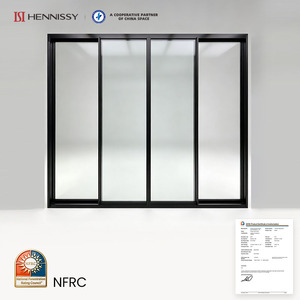
Yes. Our fenestration lines are tested and certified by independent accredited testing laboratories to meet specific national standards. For the United States, our systems possess NFRC certifications for U-factor, Solar Heat Gain Coefficient (SHGC), and Visible Transmittance (VT), meeting Title 24 and IECC energy criteria.
For the Australian market, our products comply with AS 2047 (Windows in buildings) up to the highest N6 cyclonic wind rating and AS 1288 (Glass in buildings), including air tightness, water penetration resistance (up to 600 Pa), and ultimate strength tests.
What is the difference between Fluorocarbon PVDF and Anodized surface finishes?
Both finishes provide outstanding longevity, but differ based on project location. Fluorocarbon PVDF (Kynar 500 / 70% resin) is a liquid spray coating that delivers exceptional chemical resistance, salt-air tolerance, and UV retention, available in thousands of custom RAL colors, making it ideal for coastal developments and commercial facades.
Anodizing electrochemically transforms the aluminum surface into an ultra-hard aluminum oxide layer (minimum 20–25 microns for architectural grades). It offers superior abrasion resistance and a sleek metallic finish, ideal for modern architectural villas and heavy-traffic commercial entries.
What are your typical production lead times, and can you handle mixed-container orders?
Standard architectural fabrication requires 25 to 35 business days following final CAD shop drawing sign-off and color chip approval. For large commercial projects involving custom dies or specialized low-iron Low-E glass coatings, production cycles range from 35 to 45 business days.
Yes, we routinely consolidate mixed orders into 20GP or 40HQ containers—combining casement windows, thermal-break sliding doors, heavy-duty pivot entrance gates, and insulated garage doors into a unified project shipment to save clients significant freight and handling expenses.
Do you supply custom CAD shop drawings, calculation reports, and engineering submittals?
Every commercial inquiry is assigned an experienced fenestration sales engineer. Upon receipt of your architectural window schedules or project floor plans, we generate complete 2D/3D CAD shop drawings detailing profile cross-sections, glass build-ups, anchor bracket positions, perimeter caulking channels, and water weep drainage schematics for consultant and municipal authority approval free of charge.
What warranty coverage is included with your aluminium double glazed systems?
DERCHI provides a comprehensive 10-year warranty covering the structural integrity of all extruded aluminum alloy profiles and against de-lamination or seal failure of double-glazed insulated glass units (condensation between panes). Surface finishes (PVDF and high-grade powder coating) are warranted against cracking, peeling, or excessive chalking for 10 to 15 years, while mechanical hardware carries a 5 to 10-year replacement warranty depending on the selected brand (German Siegenia or DERCHI Commercial Grade).
Accelerate Your Project with Direct Factory Pricing
Contact our senior technical engineering team today. Send us your architectural window schedule, elevation CAD files, or custom residential specifications to receive detailed shop drawings, thermal compliance analysis, and a comprehensive CIF container quote within 24 hours.