Featured Engineering Solutions for Secure Door Openings
Explore our precision-manufactured architectural doors, window systems, and structural framing elements engineered to integrate seamlessly with custom aluminum jali grilles and high-security laser-cut infills.
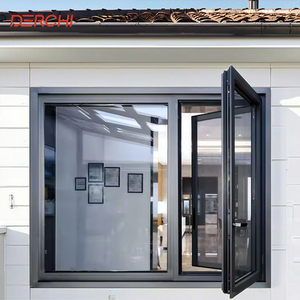
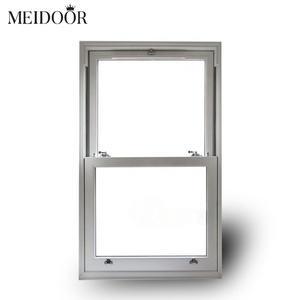
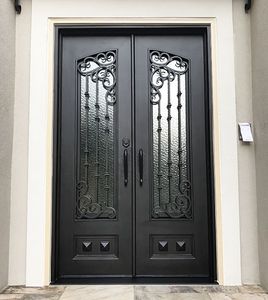
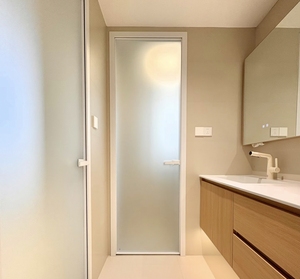
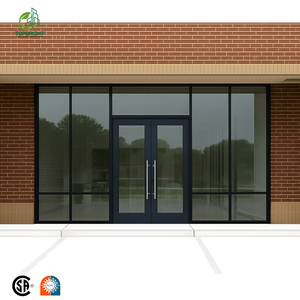
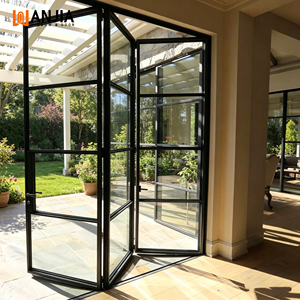
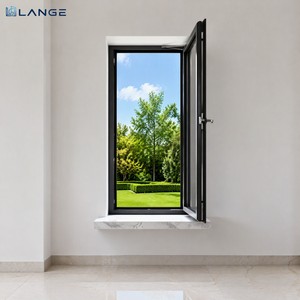
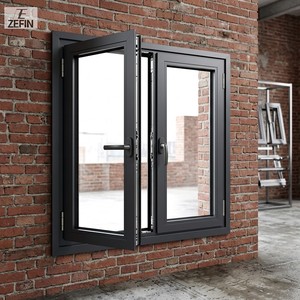
Architectural Engineering of Aluminium Jali Door Assemblies: Material Science and Fabrication Integrity
The term "Aluminium Jali" refers to perforated, CNC fiber laser-cut, waterjet-milled, or die-cast architectural latticework specifically designed as security screens, ventilation grilles, and aesthetic shading infills within exterior and interior door systems. Historically evolved from carved stone and timber screens seen in traditional Islamic mashrabiya and Indo-Saracenic jali architecture, modern fenestration engineering has embraced aluminum alloy due to its exceptional strength-to-weight ratio, non-corrosive properties, and superior formability.
As international developers, architects, and facade contractors seek building envelopes that balance perimeter forced-entry security with passive ventilation and solar thermal dissipation, the aluminum jali door has shifted from a purely ornamental millwork element into a mission-critical structural barrier. In high-exposure climates—such as the Arabian Gulf (GCC) coastal desert, tropical Southeast Asia, and hurricane-prone coastal Americas—conventional mild steel or wrought iron jali gates rapidly succumb to galvanic corrosion, rust blooming, and thermal expansion failure. Thermally stabilized 6000-series structural aluminum profiles, coupled with marine-grade surface finishes, have permanently superseded traditional ferrous materials.
Comparative Metallurgy: Selecting the Ideal Aluminum Alloy for Door Jali Inserts
The selection of the base aluminum substrate directly governs mechanical tensile strength, laser cutting edge fidelity, and longevity under environmental salt spray exposure:
- AA6063-T5 / AA6063-T6 Extruded Alloy: The benchmark choice for perimeter door sash profiles and structural perimeter frames. Offers optimal surface smoothness, crisp mitered corners, and high anodizing responsiveness. With a tensile strength of 215 MPa and yield strength of 170 MPa, it withstands repeated forced impact and dynamic wind pressure.
- AA5052-H32 Marine-Grade Sheet: The premium standard for CNC fiber laser-cut jali filigree panels (thicknesses ranging from 4.0mm to 10.0mm). Possesses superior resistance to chloride-induced pitting, making it indispensable for oceanfront villas in Dubai, Miami, or Sydney. High ductility ensures clean kerf edges without micro-fracturing along tight intricate geometric radii.
- A356.0 Aerospace/Architectural Cast Aluminum: Utilized for heavy sculpted palatial door panels. Molten aluminum is gravity-fed or vacuum-cast into custom CNC molds, producing monolithic three-dimensional Arabesque, floral, or neoclassical jali motifs with structural thicknesses up to 25mm. Being seamless, it offers zero weld seams that could otherwise fail under blunt-force ballistic impact.
Why Global Tier-1 Contractors Partner With Us
Operating from our 180,000㎡ industrial park in Shishan Town, Nanhai District, Foshan—the world capital of aluminum fenestration—Guangdong Dejiyoupin Doors and Windows Co., Ltd. (DERCHI) sets the standard for bespoke architectural door systems.
Extreme Testing & International Certifications
All systems undergo rigorous accredited testing, meeting Australian AS 2047 cyclonic impact standards (up to N6 rating), European CE en-14351-1 criteria, ISO 9001 quality controls, and UL fire-rated core performance for architectural project submittals.
12kW Ultra-High Precision Fiber Lasers
We house multi-head automated CNC laser cutting beds capable of handling oversized architectural plates up to 3000mm x 6000mm in single passes, achieving 0.05mm cutting tolerances with nitrogen-purged dross-free edge finishes ready for pre-treatment.
GCC & Global Climate Adaptation
Engineered for 50°C summer heat in Dubai, Riyadh, and Doha. We integrate polyamide thermal breaks, insulated expanded polyurethane cores, and AkzoNobel fluoropolymer PVDF coatings warrantied for 20+ years against UV fading and chalking.
Future Procurement Trends for Aluminium Jali Doors (2025–2030)
As facade engineering intersects with digital fabrication and net-zero sustainability mandates, B2B sourcing agents must navigate six definitive supply chain and material transformations.
1. Biomimetic & Parametric Solar Shading
Procurement schedules are shifting from static decorative grilles to solar-simulated parametric jali designs. By utilizing Grasshopper and Rhino BIM modeling, perforation densities are calibrated to project-specific sun angles—cutting interior solar heat gain coefficient (SHGC) by up to 38% while maintaining natural air circulation.
2. Smart Biometric & Smart-Glass Hybridization
B2B buyers increasingly specify dual-action doors combining exterior laser-cut aluminum jali screens with motorized switchable smart privacy glass (PDLC). Integrated with 3D facial recognition, Tuya/Zigbee smart locks, and hidden electromagnetic multi-point mortise latches, the door serves as an automated residential access hub.
3. Low-Carbon Recycled 'Green Aluminum' (ASI Standard)
With European CBAM tariffs and global ESG benchmarks coming into legal force, tier-1 architects mandate hydro-powered, certified low-carbon aluminum billets with post-consumer recycled content over 40%. Sourcing traceable billets with verified Environmental Product Declarations (EPD) is now a decisive bidding criterion.
4. Direct-to-Factory BIM Digital Shop Drawings
Procurement cycles have shrunk from months to weeks through cloud-based Autodesk Revit family files and direct-to-machine CAD/CAM workflows. Contractors bypass intermediaries, submitting elevation drawings directly to our Foshan engineering center for 24-hour manufacturing verification and shop drawing sign-offs.
5. Monumental Oversized Pivot & Bifold Assemblies
Standard 2.1-meter residential doors are being replaced by dramatic 3.5m to 5.5m high grand entrance pivot doors featuring continuous solid-cast aluminum jali leaves. Sourcing specifications now emphasize German-engineered concealed hydraulic floor springs rated for sash weights up to 800kg.
6. Multi-Hazard Resistance (Impact, Fire, Sand)
Procurement specifications in coastal and desert zones require unified testing: high wind load pressure (up to 4500 Pa), ASTM E1300 missile impact resistance, UL 10C 60-minute fire-rated cores, and labyrinthine dust-sealing gaskets designed to prevent fine sand penetration during severe Shamal sandstorms.
Comprehensive Aluminium Jali Door Technical Matrix
Direct engineering benchmark comparison for architectural specifiers, detailing material grades, dimensional limits, thermal ratings, and international compliance criteria.
| System Classification | Primary Alloy & Thickness | Fabrication Methodology | Thermal & Acoustic Rating | Surface Finish Standard | Recommended Applications |
|---|---|---|---|---|---|
| Laser-Cut Architectural Jali Door | AA5052-H32 Sheet (4.0mm – 12.0mm) |
CNC 12kW Fiber Laser Cutting with Nitrogen Assist; TIG welded back-frame | U-factor: 1.6 – 2.2 W/m²K STC: 32 – 36 dB (with acoustic glass) |
AAMA 2605 PVDF 3-Coat (70% Kynar 500) / AkzoNobel Interpon D3020 | Contemporary luxury villas, high-end residential entryways, boutique hotels. |
| Cast Aluminum Palatial Security Door | A356.0 Solid Ingot (15.0mm – 28.0mm relief) |
Vacuum die-casting or sand casting; monolithic panel assembly | U-factor: 1.4 – 1.9 W/m²K STC: 38 – 42 dB (insulated core) |
Multi-stage electrodeposition + hand-patinated antique bronze/fluorocarbon | Palace main gates, grand majlis entrances, classical estate security portals. |
| Thermal Break Casement Jali Door | AA6063-T6 Extrusion (2.0mm – 3.5mm wall) |
Miter-crimped corner blocks with injected epoxy; polyamide PA66 thermal barrier | U-factor: 1.2 – 1.6 W/m²K STC: 35 – 40 dB (double IGUs) |
Qualicoat Class 2 Superdurable Powder Coat or 25µm Architectural Anodized | Desert villas, coastal oceanfront residences, high-wind hurricane exposure zones. |
| Heavy-Duty Commercial Pivot Jali Door | Reinforced 6063-T6 + Stainless Core | Concealed internal structural steel skeletal frame; balance pivot pin assembly | U-factor: 1.5 – 2.0 W/m²K STC: 34 – 38 dB |
Fluoropolymer Metallic Quartz / PVD Titanium brushed finish | Flagship corporate headquarters, shopping mall VIP entrances, luxury showrooms. |
Advanced Manufacturing Trends Driving Aluminium Jali Door Innovation
The manufacturing ecosystem for architectural aluminum jali systems in Foshan is currently undergoing rapid technological upgrades driven by automation, material science, and precision mechanical engineering. The traditional paradigm of manual sheet cutting, tack-welding, and spray painting has been replaced by end-to-end automated fabrication cells.
1. Automated Laser Cutting with Zero-Oxidation Nitrogen Shielding
High-end architectural doors require completely clean edges free from micro-burrs and oxide layers that could otherwise trigger coating delamination over time. By utilizing high-pressure nitrogen gas (99.999% purity) as the assist gas during fiber laser cutting, the cutting zone is instantly cooled and evacuated, resulting in mirror-smooth edges. This allows thermoset powder particles or liquid PVDF primer to wet the surface evenly, ensuring 1,000-hour boiling water adhesion and 4,000-hour salt spray resistance (ASTM B117 standards).
2. Thermal Break Engineering with High-Density Polyamide (PA66 GF25)
In standard architectural door systems without thermal isolation, an aluminum jali panel exposed to 45°C ambient air acts as a direct heat conductor, transferring radiant thermal energy through the sash into the interior living space and driving up HVAC electrical loads. Guangdong Dejiyoupin / DERCHI incorporates multi-cavity polyamide struts reinforced with 25% glass fiber (PA66 GF25) separating the exterior jali screen frame from the interior door structure. Combined with polyurethane aerosol thermal core fills, the door assemblies achieve remarkably low U-values down to 1.3 W/m²K, meeting stringent ASHRAE 90.1 energy building codes.
3. Concealed Multi-Point Anti-Intrusion Hardware Systems
Aesthetically sophisticated jali doors must not compromise on perimeter security. Contemporary hardware design incorporates full-height 304/316-grade stainless steel multi-point gearboxes embedded within the perimeter profile rebate. Actuated by heavy-duty ergonomic handle sets, hardened steel shoot-bolts extend simultaneously into the top header, threshold, and jamb at up to 7 distinct locking points. This prevents pry-bar door wedging and achieves RC3 (European EN 1627) forced-entry security ratings without compromising the minimalist visual lines of the door.
Frequently Asked Questions for B2B Sourcing Agents & Contractors
Technical, logistical, and commercial inquiries answered by our senior fenestration engineers.