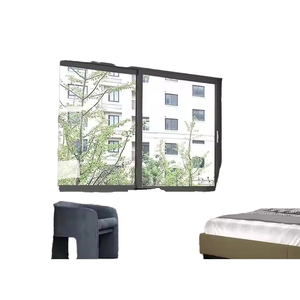
AS2047 Multi Large Swing Glass Sliding Window Frame With Mosquito Net
Engineered with polyamide PA66 thermal breaks, double-pane Low-E insulated glass, and stainless flyscreen integration.
Engineered to exceed EN 14351-1 European CE standards, Australian AS 2047 criteria, and NFRC thermal performance directives. Designed for airtight sealing, acoustic attenuation, and thermal separation.
Engineered with polyamide PA66 thermal breaks, double-pane Low-E insulated glass, and stainless flyscreen integration.
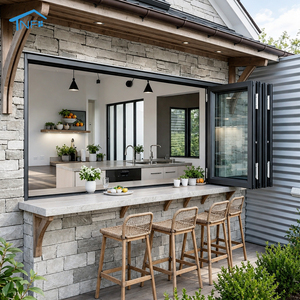
Precision horizontal accordion track layout, concealed multi-point gearboxes, and flush sill perimeter drainage channels.
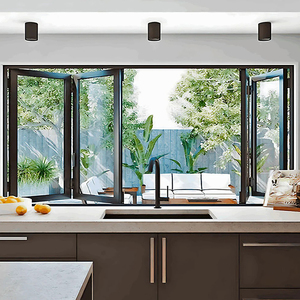
Counterbalanced gas-strut lift hardware designed for hospitality serveries, cafes, and open-plan architectural villas.
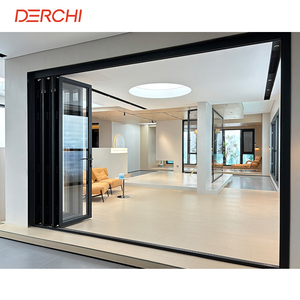
Heavy-duty structural extrusion profile reaching STC 42 acoustic rating with high-performance vulcanized EPDM gaskets.
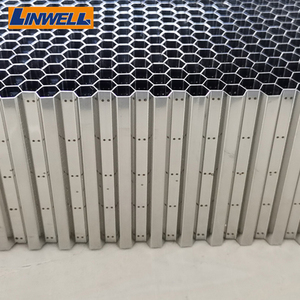
Transit-grade cellular honeycomb core infill ensuring extreme structural flatness, fire ratings, and electromagnetic shielding.
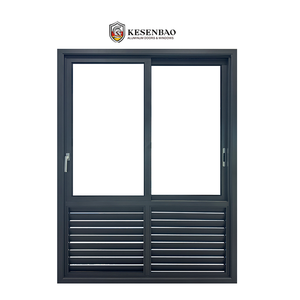
Tested for high-velocity hurricane zones (HVHZ); features multi-chambered 6063-T6 aluminum and SGP laminated interlayers.
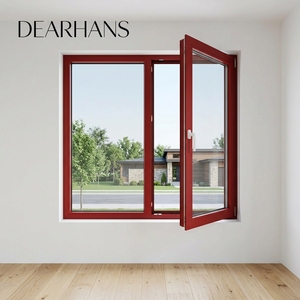
CNC stretch-curved thermal break framework pairing historic curved aesthetics with advanced modern European tilt-and-turn hardware.
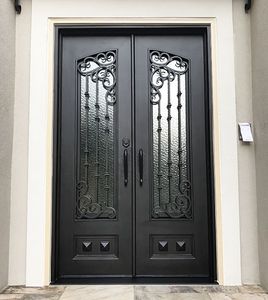
Combines anti-intrusion structural anchoring, dual weather-stripping barriers, and custom high-security multipoint locks.
In modern architectural fenestration, the specification of CE Certified Aluminum Openable Windows requires strict adherence to European Harmonized Standards (EN 14351-1: Windows and Doors Product Standard). Aluminum casement, tilt-and-turn, and parallel-opening windows serve as dynamic structural enclosures. To prevent building envelope energy bleed, structural deformation under wind load, and moisture penetration during cyclonic precipitation, fenestration products must deliver certified structural metrics.
Standard architectural fenestration relies on extruded aluminum profiles manufactured from alloy EN AW-6063-T6 or 6061-T6. The temper cycle ensures an ultimate tensile strength exceeding 205 MPa. To comply with tightening regional energy codes (such as the EU Energy Performance of Buildings Directive EPBD and the Gulf Cooperation Council Estidama/Sa'fat regulations), structural framing integrates low-conductivity polyamide insulating strips (PA66 GF25 reinforced with 25% fiberglass). These structural breaks mechanically isolate the exterior aluminum skin from the interior climate envelope, bringing frame thermal conductivity (Uf) down from a monolithic 7.0 W/(m²·K) to below 1.3 W/(m²·K).
| Performance Criterion | Test Standard | Certified Performance Level | Engineering Impact |
|---|---|---|---|
| Air Permeability | EN 1026 / EN 12207 | Class 4 (600 Pa) | Minimizes involuntary infiltration; supports Passive House ratings. |
| Water Tightness | EN 1027 / EN 12208 | Class E900 (900 Pa Static) | Prevents perimeter leakage during tropical wind-driven rainstorms. |
| Wind Load Resistance | EN 12211 / EN 12210 | Class C5 / B5 (2000 Pa design) | Ensures high-rise structural deflection does not exceed L/300. |
| Acoustic Attenuation | EN ISO 10140-2 | Rw (C; Ctr) = 38 dB to 48 dB | Dampens ambient urban low-frequency transportation harmonics. |
| Thermal Transmittance (Uw) | EN ISO 10077-1/-2 | 0.8 to 1.4 W/(m²·K) | Reduces central HVAC operational chiller cooling and heating demands. |
An openable window system depends directly on the durability of its perimeter operational mechanics. CE and AS2047 compliant systems utilize perimeter shoot-bolt gearboxes, concealed heavy-duty friction hinges, and hardened stainless steel pivot retainers. Inward tilt-and-turn window gearings allow dual-purpose operation: a tilted upper perimeter gap for draft-free micro-ventilation, combined with a full 90° inward swing for safe interior maintenance. Vulcanized continuous EPDM central gaskets ensure unbroken peripheral seals, eliminating capillary moisture suction caused by external wind pressures.
Architects, facade engineers, and tier-one general contractors are reshaping international supply chains. Here are three core trends redefining commercial aluminum window procurement.
Global developers now demand Environmental Product Declarations (EPDs). Sourcing recycled post-consumer aluminum profiles cast via hydro-powered smelting lowers embodied carbon from 18 kg CO₂/kg down to under 4 kg CO₂/kg of extruded aluminum profile.
Super-tall towers and coastal hurricane projects demand unified mullion reinforcements with high-grade steel splines. Fenestration systems must resist cycling load stress without seal fatigue or glass frame dislodgement during extreme seismic events.
To eliminate on-site glazing errors, procurement contracts require unitized or pre-glazed knocked-down (CKD/SKD) modules assembled under ISO-controlled tolerances, delivering true plug-and-play installation for field contractors.

Operating a modernized, digitally integrated 180,000㎡ manufacturing base in Foshan, Guangdong, DERCHI is ranked among the Top 10 high-end door and window architectural brands in China. Over 25+ years of engineering discipline, our plants have perfected the production of high-end structural aluminum windows, oversized pivot doors, curtain wall modules, and thermally broken casement systems.
Direct technical answers addressing certification standards, thermal mechanics, packaging integrity, and custom fabrication.
Send your window schedules, CAD elevations, or tender specifications. Our technical department delivers shop drawings, static load calculations, and competitive pricing within 24 hours.