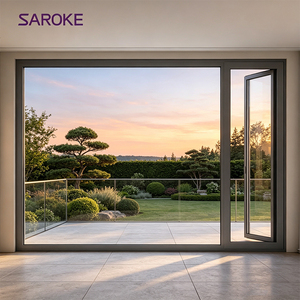
Durable Design Aluminum Frame Security Mosquito Net Door
Mesh: 304 Marine Stainless • Profile: 1.8mm • Anti-Theft
Combining the natural warmth of interior timber-feel aesthetics with the external structural durability of architectural aluminum alloys (6063-T6), specially rated for coastal air and tropical downpours.
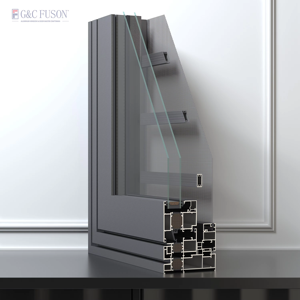
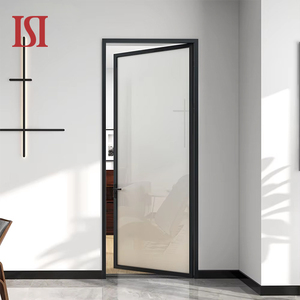
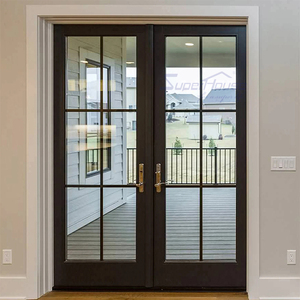
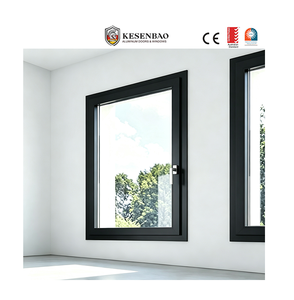
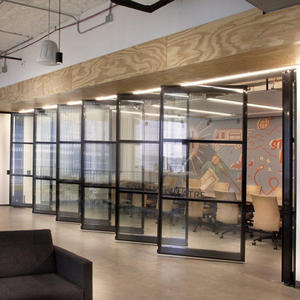
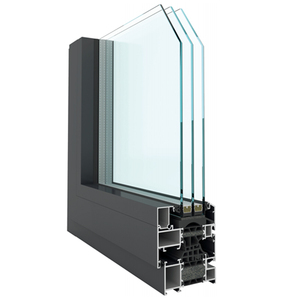
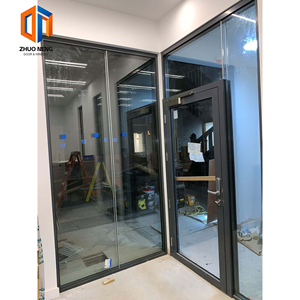
Sri Lanka’s architectural landscape is undergoing an unprecedented modernization pivot. From the dense ultra-luxury vertical developments in Colombo 01 to exclusive beachfront eco-resorts lining Galle, Mirissa, and Trincomalee, the demand for fenestration systems that balance colonial aesthetic beauty with cutting-edge thermodynamic durability has never been more critical. The island’s unique climatic context—marked by high ambient humidity (often sustaining 80% to 90%), intense solar radiation, violent southwest and northeast monsoon deluges, and aggressive coastal airborne salinity—creates an extraordinarily hostile operating environment for conventional architectural materials.
Traditional wood fenestration, historically admired in Bawa-inspired tropical modernism, inevitably falls victim to fungal rotting, termitic infestation, moisture expansion, and warped joinery under tropical microclimates. Conversely, standard raw or basic anodized aluminum systems frequently transmit excessive thermal energy into indoor spaces, spiking commercial HVAC operating expenditures while exhibiting electrolytic pitting corrosion when exposed to high-salinity oceanic breezes. This critical structural vulnerability is precisely why structural engineers and procurement heads now demand high-spec Aluminium Clad Windows (often engineered with interior solid kiln-dried Oak, Pine, or Teak cladded on the exterior with heavy-gauge architectural aluminum 6063-T6).
Information Gain Insight: Sourcing direct from certified tier-one extrusion plants guarantees polyamide insulating barriers (PA66 GF25) which decouple exterior heat dissipation from structural internal framing, dropping building cooling loads by up to 34% in tropical coastal regions.
| Performance Vector | Aluminium Clad Window System | Standard Non-Break Aluminum | Solid Teak / Hardwood |
|---|---|---|---|
| Corrosion Resistance (ASTM B117) | Exceeds 3,000 hrs salt spray (Fluorocarbon PVDF) | 500-800 hrs; rapid pitting along coastal lines | Vulnerable to rot, mold, and marine fungi |
| Thermal Conductivity (U-Value) | 1.2 - 1.6 W/(m²·K) (High Thermal Retention) | 3.8 - 5.6 W/(m²·K) (Heavy Heat Transfer) | 1.8 - 2.2 W/(m²·K) (Moderate) |
| Cyclonic Wind Resistance | AS 2047 Class N6 (>4500 Pa Deflection) | 1500 - 2200 Pa (Prone to sash rattle) | Subject to frame deflection & crack strain |
| Water Penetration Barrier | Continuous Triple EPDM Vulcanized Gaskets (≥700 Pa) | Single Wool Pile / Poor water drainage (150 Pa) | Variable due to joint expansion and gaps |
| Maintenance Lifecycle | 30+ Years; Zero exterior repainting required | 10 Years before surface fading/chalking | Bi-annual re-varnishing and termite treatments |
Different topography zones across Sri Lanka require radically divergent fenestration engineering parameters. Procurement directors must assess their exact local geoclimatic parameters prior to finalizing tender submittals:
Multi-unit high-rises and commercial hubs require high acoustic decoupling (STC ≥ 40dB) to nullify intense traffic decibels while maintaining structural rigidity against high-altitude vertical wind vortexes off the Indian Ocean.
Boutique seaside hotels and luxury private villas require PVDF fluorocarbon exterior coatings resistant to ocean spray, paired with concealed heavy-duty stainless steel 316 friction stays that resist sea-salt pitting indefinitely.
Cooler highland climates demand low internal thermal conductivity to retain warmth and prevent condensation, utilizing warm-edge spacer bars and double-glazed low-emissivity units with argon gas filling.
Analyzing key structural shifts shaping commercial and luxury residential procurement across the nation.
With Sri Lanka’s Green Building Council (GBCSL) strengthening thermal regulations, projects now specify Low-E insulated glazing units with shading coefficients ≤ 0.35 to sharply limit indoor air-conditioning energy use.
Given the tropical prevalence of vector-borne pests like dengue-bearing mosquitoes alongside modern security demands, architects systematically integrate high-tensile 304 marine stainless mesh screens directly inside window subframes.
Facing local supply fluctuations and raw material import duties, major Sri Lankan construction contractors and private developers have moved decisively away from domestic assembling shops. They now partner directly with large-scale Chinese factories that offer end-to-end custom extrusion, glass tempering, automated assembly, full export-grade crating, and direct sea-freight deliveries straight to the Port of Colombo.
Ranked among China's Top 10 premium architectural door and window manufacturers, DERCHI operates an expansive 180,000㎡ smart manufacturing base equipped with advanced German profile processing equipment, intelligent glass cutting lines, and precision assembly lines.

Comprehensive technical answers addressing freight logistics, customs codes, weathering performance, and project warranties.
Our windows feature 6063-T6 virgin architectural aluminum profiles protected by AkzoNobel or PPG fluorocarbon (PVDF) powder coatings. These treatments easily surpass 3,000 hours of accelerated neutral salt spray testing (ASTM B117), showing no flaking, blistering, or chalking. Internally, the timber element is preserved with vacuum high-pressure impregnation and waterborne, environmentally-sound sealants that lock out moisture and prevent mildew and dry rot common along coastal belts like Mount Lavinia, Bentota, and Negombo.
Finished windows and doors are individually sealed in protective peel coats, corner-buffered, bubble-wrapped, and packed into solid fumigation-free marine plywood crates. From our factory in Foshan, cargo is trucked to Nansha or Shenzhen port and loaded onto direct sea freight lanes. Port-to-port transit time to the Port of Colombo typically ranges from 12 to 16 days, making our total lead time (manufacturing plus freight) highly competitive compared to domestic assembly cycles.
Yes. Our dedicated in-house facade engineering department supplies bespoke CAD shop drawings and 3D cross-section BIM models for architect and client review prior to manufacturing. We can customize internal wood species (such as American White Oak, Teak grain finishes, or European Larch) and match any exterior RAL color or bronze anodized finish to seamlessly honor regional tropical design aesthetics while delivering modern structural performance.
We provide full commercial documentation sets customized for Sri Lankan trade compliance, including certified Commercial Invoices, detailed Packing Lists with itemized crate numbers and glass weights, original Clean on Board Marine Bills of Lading (B/L), Certificates of Origin (CO), and formal factory test reports verifying compliance with AS 2047, ISO 9001, and CE building directives.
DERCHI systems are verified under rigorous cyclone simulation testing up to AS 2047 Class N6 standards, handling peak design wind pressures above 4,500 Pascals. Extrusions are fitted with multi-chamber high-elasticity vulcanized EPDM gaskets and engineered weep holes with integrated non-return flutter valves. This setup allows sudden, heavy rainwater to drain rapidly through dedicated channels under gravity without being forced inward by high external wind pressures.