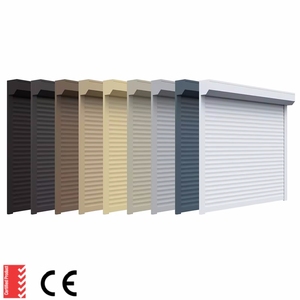
TOMA Electric Extruded Aluminium Roller Shutter Systems
Reinforced dual-skin acoustic and security shutters engineered for extreme wind zones (NZS 3604) and coastal salt barrier defence.
Explore SystemEngineered for New Zealand's unique microclimates—from Auckland's sub-tropical maritime exposure to Central Otago's sub-zero alpine conditions.
Reinforced dual-skin acoustic and security shutters engineered for extreme wind zones (NZS 3604) and coastal salt barrier defence.
Explore System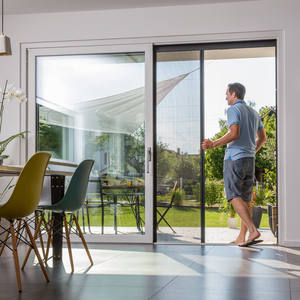
Flush-threshold insect screen systems featuring marine-grade polyester wire to match wide indoor-outdoor patio connections.
Explore System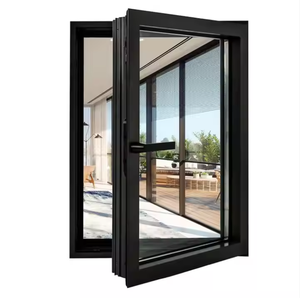
Polyamide PA66 insulated extrusion technology achieving low U-values compliant with NZBC Clause H1 5th Edition standards.
Explore System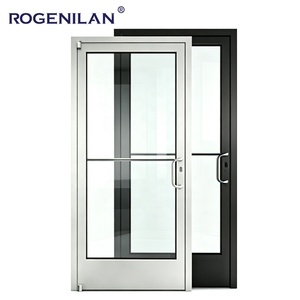
Heavy-duty reinforced extruded aluminum profiles with multi-point perimeter compression seals for retail and commercial applications.
Explore System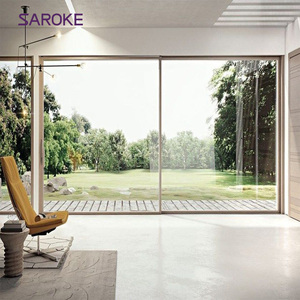
Engineered with stainless-steel tandem running tracks and high water-head thresholds resisting coastal driving rains.
Explore System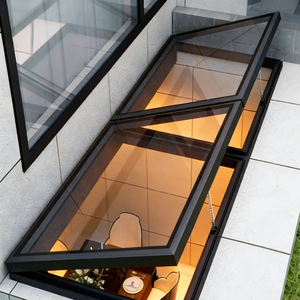
Dual-actuator motorized operation with integrated rain sensors, laminated safety glass, and high solar heat gain attenuation.
Explore System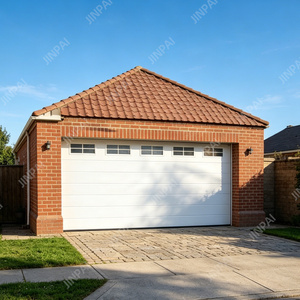
Seamless exterior flush-glazing using high-tensile T6 aluminum frames configured for contemporary kiwi architectural designs.
Explore System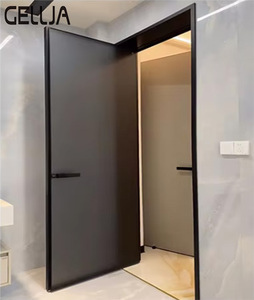
Engineered for high-end hospitality and modern residential developments requiring anodized surface protections and acoustic dampening.
Explore SystemFenestration manufacturing for New Zealand demands stringent engineering compliance to handle intense UV levels, seismic activity, and severe coastal weathering.
Under the revised New Zealand Building Code (Clause H1 5th Edition), window joinery in Climate Zones 1 through 6 requires exceptional thermal insulation. Our advanced crank-out casement windows utilize 24mm to 34mm multi-cavity Polyamide 66 (PA66 GF25) thermal breaks. Paired with warm-edge spacers, argon-filled double or triple glazing, and Low-E selective coatings, our assemblies reliably achieve overall U-values well below 1.50 W/m²K, eliminating condensation risks and lowering residential heating loads.
From Wellington's notorious funneling winds to coastal exposed headlands in Northland, New Zealand homes frequently encounter "Very High" and "Extra High" wind zones exceeding 2.1 kPa ultimate limit state (ULS) pressure. Our crank-out window series integrates multi-point perimeter casement locks, heavy-duty stainless steel 304/316 friction hinges, and dual EPDM co-extruded compression gaskets that exceed NZS 4211 water infiltration standards at pressures above 450 Pa.
New Zealand's low atmospheric ozone concentration creates harsh UV exposure that degrades substandard surface coatings within years. DERCHI applies AkzoNobel Interpon D2015 ultra-durable polyester powder coatings and 25-micron architectural anodized treatments tested under AS 3715 and Qualicoat Class 2 standards. This barrier resists photochemical degradation, surface chalking, and coastal aerosol salinity within marine zones C and D.
Evaluating engineering benchmarks against New Zealand structural and building performance parameters.
| Evaluation Parameter | DERCHI High-Spec Crank Out Windows | Standard Import Baseline | NZ Local Profile Equivalents |
|---|---|---|---|
| Alloy & Temper | Primary 6063-T6 Architectural Grade (1.8mm–2.2mm) | Recycled 6063-T5 (1.2mm–1.4mm) | Primary 6060/6063-T5 (1.4mm–1.6mm) |
| Thermal Break Profile | 24mm–34mm Polyamide PA66 GF25 Isobar Barrier | None / Non-insulated monorail | 16mm–24mm Polyamide bar configuration |
| Clause H1 Compliance (U-Value) | 1.28 – 1.45 W/m²K (Argon + Low-E) | 2.80 – 4.20 W/m²K (Exceeds NZ limit) | 1.45 – 1.70 W/m²K (Requires high surcharge) |
| Air Tightness (NZS 4211) | Level A (Air infiltration < 0.05 L/s·m²) | Non-standardized test results | Level A / Level B standard ratings |
| Water Head Seal Depth | Continuous multi-point EPDM compression bead | Single PVC sweep (degrades under UV) | Co-extruded santoprene / EPDM gasket |
| Operator Mechanisms | Truth-grade heavy crank rotators + stainless 316 hinges | Zinc die-cast non-marine operators | Standard multi-stay latches or cranks |
Recognized as one of the Top 10 premium door and window manufacturing enterprises in China, serving structural developers, specifiers, and trade merchants across the Pacific.
Our Foshan manufacturing base utilizes German Elumatec 5-axis CNC machining centers. Profiles are cut, milled, drilled, and corner-crimped with tolerance accuracy down to ±0.1mm. This eliminates frame racking or installation distortion on site, providing air-tight mitred corners that hold integrity under structural seismic shifts.
We provide full technical documentation to assist NZ Council Building Consent applications (Alternative Solution pathway). Our testing portfolio includes AS 2047 (N6 wind-load capacity verified), ISO 9001, CE, and fire-rating benchmarks, backed by in-house structural engineering reports for project engineers.
Each window frame is wrapped in electrostatic protective film, edge-buffered with high-density foam, and packed inside fully enclosed fumigated plywood crates. We ship directly to Ports of Auckland, Tauranga, Lyttelton, and Napier, offering clear packing manifests and dedicated English-speaking project coordination.
How regulatory tightening and modern passive-design principles are reshaping procurement priorities across the North and South Islands.
Traditional horizontal sliding windows rely on brush pile seals that can lose air tightness over time, leading to draughts and heat loss in high winds. New Zealand developers and specifiers are increasingly moving toward crank-out casement and outward awning windows. Crank operators physically draw the window sash tightly against continuous compressible EPDM seals, establishing a positive pressure seal that outperforms sliding systems in air leakage and sound insulation.
Following updates to the NZ Building Code Clause H1, double-glazing with standard air cavities is being replaced by 12mm–16mm argon gas gaps, warm-edge composite spacers, and soft-coat Low-E glass (such as Planitherm or Solarban). Architectural builds in Queenstown, Wanaka, and Canterbury frequently specify triple-glazed thermal-break assemblies to maintain balanced internal temperatures throughout sub-zero winters.
Key details for builders, architects, and importers ordering aluminum window systems from China.
Send through your window schedule, architectural elevations, or project specifications. Our structural and thermal engineering team will provide a comprehensive manufacturing quote, CAD details, and Clause H1 data within 24 hours.
Get a Quote