Export Specifications
High-Performance Aluminum & Glass Architectural Systems
Explore our certified structural systems deployed across Middle Eastern mega-projects, tested rigorously against severe regional sandstorms, heavy solar irradiance, and aggressive coastal marine environments.
Enterprise Reliability
Precision Engineering Backed by 180,000㎡ Production Infrastructure
Operating as a certified tier-1 global manufacturer (Guangdong Dejiyoupin Doors and Windows Co., Ltd. - DERCHI), we combine a quarter-century of fenestration metallurgy with automated CNC extrusion calibration to supply export-grade projects worldwide.
Tier-1 Certification Rigor
Our architectural systems hold verified compliance under CE, ISO 9001, AS 2047 (Australian N6 cyclonic standard), and UL fire-rating testing protocols. Submittals are turnkey-ready for Egyptian engineering consultants, Dar Al-Handasah compliance, and local municipal oversight.
Polyamide Thermal Barriers
Engineered using multi-cavity PA66 GF25 insulation strips, our structural profiles decouple external thermal convection from the interior living space. This directly slashes HVAC cooling demands during severe Egyptian summer peaks exceeding 48°C.
Heavy Duty Marine Surface Coat
Featuring AkzoNobel powder coating and Qualicoat Class 2 hyper-durable fluorocarbon finishes (PVDF), our aluminum profiles prevent surface chalking, oxidation, and pigment erosion caused by sand abrasion and Red Sea salt mist.
Localized Applications
Engineered for Egypt's Geographies: From the Nile Basin to Desert Frontiers
Egypt exhibits three distinct architectural microclimates: the hyper-arid desert expansions of Greater Cairo and New Cairo, the coastal marine salinity of Alexandria and New Alamein, and the humid winds of the Red Sea Riviera.
New Administrative Capital & 5th Settlement
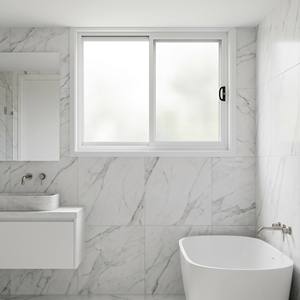
The urban sprawl eastward encounters intense airborne silt, particulate dust, and high direct diurnal solar exposure. Our multi-track sliding windows and insulated casements feature triple EPDM continuous bulb gaskets and Low-E double glazing to seal out particulate dust during spring Khamaseen winds while reducing urban heat loads.
Alexandria & New Alamein Towers
Mediterranean high-rise developments confront high wind pressure, heavy rainfall, and airborne chloride salt mist. Our coastal side-pressure sliding systems and high-moment-of-inertia mullions deliver structural rigidity exceeding 3000 Pa wind load resistance, preventing water infiltration and coastal electrolytic corrosion.
El Gouna, Sharm El Sheikh & Hurghada Luxury Resorts
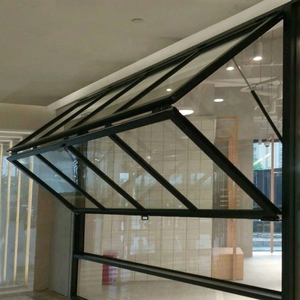
Hospitality developers demand expansive, uninterrupted glazing spans that retain conditioned interior temperatures while framing seaside vistas. Our oversized panoramic motorized vertical sliding and thermally broken frameless folding systems deliver high acoustic deadening and thermal shielding without aesthetic compromise.
Technical Specification Note for Egyptian Structural Engineers: Our structural systems conform to Egyptian Building Code requirements for wind resistance, acoustic transmission attenuation (Rw ≥ 38 dB), and solar heat gain coefficient (SHGC ≤ 0.28) targets suited for LEED and Tarsheed green building certifications.
Engineering Guidance
Fenestration System Selection Matrix for Egyptian Developments
Benchmark system parameters to evaluate structural integrity, thermal conductance, and hardware suitability before specifying doors and windows for commercial or residential tenders.
| Window / Door Configuration | Thermal U-Value (W/m²·K) | Air Permeability / Dust Class | Recommended Egyptian Application | Glazing Specification |
|---|---|---|---|---|
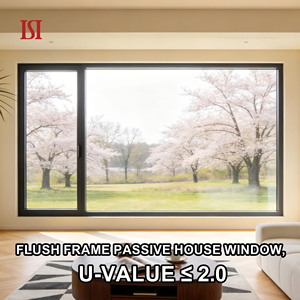
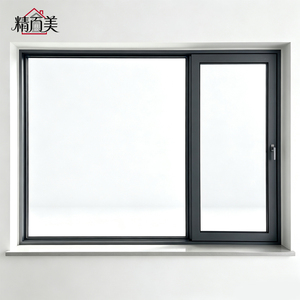
| Thermal Break Casement System | 1.4 - 1.8 | Class 4 (EN 12207) Sand-Sealed | Luxury Villas in Sheikh Zayed & New Cairo | 6mm Low-E + 12Ar + 6mm Clear Tempered |
| Heavy Coastal Side-Pressure Slider | 1.8 - 2.2 | Airtight Compression Gaskets | High-Rise Towers in New Alamein & Alexandria | 8mm Tinted + 16Ar + 8mm Low-E Laminated |
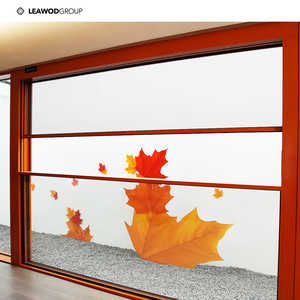
| Motorized Vertical Guillotine Window | 2.0 - 2.4 | Double Weatherstrip Seal | Hospitality Rooftops & Balconies in Gouna / Cairo | 6mm + 12A + 6mm Toughened Solar Shield |
| Frameless Thermal Bi-Fold Balcony | 1.9 - 2.3 | Interlocking EPDM Track Seal | Compound Patios & Penthouse Terraces | 5mm + 9A + 5mm Acoustic PVB Laminate |
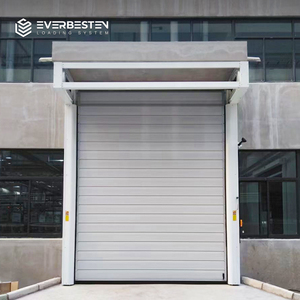
| High-Speed Insulated Spiral Shutter | 0.8 - 1.2 | Industrial Windproof Rail Seal | Logistics Centers in 10th of Ramadan & Suez Canal Zone | Double-Skinned Polyurethane Insulated Slats |
Market Evolution
Architectural Trends Transforming the Egyptian Fenestration Sector
Driven by national green building initiatives, rising power tariffs, and urban architectural prestige, developer specifications across Egypt are fundamentally upgrading.
1. Shift to Thermal Decoupling
Standard non-thermal aluminum is being rapidly phased out by major developers (such as Emaar Misr, Palm Hills, and Talaat Moustafa Group) in favor of thermally broken extrusions that keep internal frame temperatures low and control heavy HVAC cycling costs.
2. Acoustically Isolated Interiors
With metropolitan traffic noise and ambient urbanization throughout the Greater Cairo beltway, double-glazed acoustic laminated assemblies (PVB interlayers) with multi-point perimeter compression hardware are now required project standards.
3. Slim Minimalist Sightlines
Architects across Egypt's high-end residential compounds are demanding ultra-slim interlocks (≤20mm) that maximize panoramic views while supporting deep glass units weighing in excess of 350kg per sash via heavy stainless steel rollers.
4. Sand Filtration Systems
Traditional sliding systems frequently jam due to fine Sahara sand particles lodging in lower horizontal tracks. Modern installations utilize raised concealed drainage tracks, bottom guide self-cleaning sweeps, and stainless steel micro-screens.
Contractor & Importer FAQ
Frequently Asked Questions by Egyptian Project Procurement Teams
Key commercial, regulatory, and logistics answers for Egyptian general contractors, architects, and private developers importing custom fenestration systems.
How do you handle ACI (Advanced Cargo Information) & Nafeza registration?
As an experienced direct exporter to Egypt, we strictly comply with Nafeza regulations. Once your purchasing entity generates the 19-digit ACID (Advance Cargo Information Declaration) number, we register and upload all invoices, packing lists, and Certificates of Origin directly to the CargoX platform prior to vessel departure, ensuring seamless Egyptian customs clearance.
What shipping routes and transit times apply to Egyptian ports?
We arrange ocean freight directly from major export hubs to Port Said (West/East), Sokhna Port, or Alexandria Port. Typical ocean transit times range between 18 to 26 days depending on vessel scheduling, using reinforced fumigated wooden crates designed to protect high-grade powder coats and triple-glaze glass packs.
Can you provide technical shop drawings and consultant submittal packs?
Yes. Our in-house engineering studio provides complimentary CAD section details, thermal simulation calculations, wind-load deflection reports, and glass stress calculations tailored for Egyptian consultant approvals (e.g., ECG, Shaker, EHAF, or Dar Al-Handasah standards).
Why is thermal break aluminum superior to standard PVC or raw aluminum in Egypt?
Unplasticized PVC (uPVC) frequently suffers yellowing, polymer embrittlement, and structural sagging under Egypt's high solar UV indices. Non-thermal aluminum readily conducts blistering exterior heat indoors, overworking cooling equipment. Our 6063-T6 thermal-break aluminum profiles offer permanent dimensional stability, superior structural strength, and lasting thermal insulation.