Precision Engineered Systems
High-Performance Window & Door Collections for HCMC Projects
Manufactured using aerospace-grade thermal breaks, multi-cavity EPDM sealing, and heavy-duty structural profiles designed to withstand severe wind loads and tropical humidity.
180,000㎡
Advanced Manufacturing Base
600+
Certified Fenestration Technicians
100+
International Patents & Certifications
Semantic Technical Analysis
Engineering Aluminum Clad Systems for Ho Chi Minh City's Microclimate
Why conventional aluminum and pure solid timber windows fail prematurely in Southern Vietnam, and how aluminum cladding technology resolves thermodynamic expansion, mold degradation, and moisture intrusion.
The Tropical Thermodynamic Challenge: High Humidity, Solar Heat & Monsoons
Ho Chi Minh City experiences an equatorial climate characterized by two distinct seasons: the southwest monsoon (May to November) featuring high precipitation and relative humidity averaging over 80% to 90%, and the dry season with sustained ambient temperatures exceeding 38°C. In modern urban high-rises and riverside luxury developments across District 2 (Thảo Điền), District 7 (Phú Mỹ Hưng), and the new Thủ Đức City financial center, fenestration profiles are subjected to extreme external solar radiation while interior spaces maintain continuous air conditioning at 21°C.
This steep thermal gradient (ΔT up to 18°C across the profile cross-section) causes significant condensation risks on non-thermally broken frames. Conventional all-aluminum frames rapidly conduct heat into interior zones, driving up HVAC energy consumption by up to 35%. Conversely, traditional hardwood fenestration suffers from severe hygroscopic swelling, bacterial rot, fungal growth, and termite infestation due to humidity retention.
DERCHI’s aluminum clad window systems bridge this engineering gap. By deploying high-tensile 6063-T6 extruded architectural aluminum on the exterior facing the elements and combining it with multi-chamber polyamides (PA66 GF25) connected to sustainably harvested, precision-cured interior hardwood timber profiles, our systems completely decouple interior climate control from outdoor weather conditions.
Monsoon Water-Tightness Class 9A
Southern Vietnam’s monsoon brings horizontal torrential rain driving pressures up to 600 Pa. Our aluminum clad casements incorporate stepped differential drainage channels, multi-lip EPDM compression gaskets, and pressure-equalized chambers that actively expel driving rainwater without allowing siphoning or interior seepage.
Acoustic Attenuation (Rw 42-48 dB)
HCMC is recognized for intense ambient acoustic pollution from dense motorbike traffic, ongoing infrastructure developments, and elevated ring roads. Utilizing asymmetric laminated double and triple glazing with acoustic PVB interlayers, our systems attenuate low-frequency vehicular drone to below 35 dB indoors.
Fluorocarbon PVDF & Anti-Saline Armor
Urban moisture combined with high sulfur and nitrogen dioxide concentrations in industrial zones accelerates surface chalking. DERCHI systems feature triple-coat PPG fluorocarbon (PVDF) exterior finishes certified to AAMA 2605 specifications, guaranteeing over 25 years of color retention and zero chalking.
Architectural Typologies
Localized Applications: Engineered for HCMC's Urban Matrix
From prestigious river-front villas along the Saigon River to luxury mixed-use skyscrapers and historic colonial restorations, discover where DERCHI aluminum clad systems deliver optimal performance.
Luxury Waterfront Villas (Thảo Điền & An Phú)
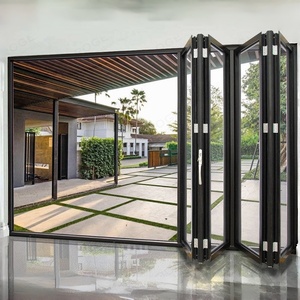
Villas fronting the Saigon River face high convective humidity and morning condensation. DERCHI aluminum clad panoramic bi-fold and sliding systems create seamless visual transitions between outdoor landscaped pools and air-conditioned interiors while maintaining high air-impermeability (Class 4) to eliminate energy loss.
High-Rise Condominiums (Thủ Thiêm & District 1)
Tall structures above 30 stories encounter localized gust pressures exceeding 2.8 kPa. Our heavy-wall 6063-T6 aluminum casement systems meet strict AS 2047 cyclonic wind resistance metrics, preventing frame deflections, water ingress during squalls, and whistling air leaks at high elevations.
Heritage Restorations & Boutique Resorts
French Indochina colonial architecture across District 3 demands classic interior timber aesthetics without modern maintenance headaches. DERCHI custom-engineers authentic interior timber profiles with traditional architraves while protecting the building shell with weather-resistant exterior aluminum.
Information Gain Whitepaper
Performance Benchmarking: Material Selection Guide for HCMC
A data-driven engineering comparison evaluating standard aluminum, pure timber, uPVC, and DERCHI's industrial-grade Aluminum Clad Timber window systems.
| Engineering Attribute | Standard Aluminum | Pure Solid Hardwood | Standard uPVC | DERCHI Aluminum Clad System |
|---|---|---|---|---|
| Thermal Transmittance (U-Value) | 3.8 - 5.6 W/m²K (Poor) | 1.8 - 2.2 W/m²K (Good) | 2.0 - 2.4 W/m²K (Moderate) | 1.1 - 1.5 W/m²K (Superior - LOTUS Green Certified) |
| Moisture & Termite Resistance | High / Unaffected | Very Low (Prone to rot & pests) | High / Unaffected | Absolute Protection (Clad envelope isolates timber core) |
| Acoustic Decibel Cut (Rw) | 26 - 32 dB (Moderate) | 34 - 38 dB (Good) | 28 - 34 dB (Moderate) | 42 - 48 dB (Acoustic laminated dual-seal assembly) |
| Structural Wind Resistance | Moderate deflection | Prone to warping | Low rigidity over 2.4m | Class N6 / 4500 Pa (Meets high-rise wind loads) |
| Lifecycle Expectancy in HCMC | 10 - 15 Years (Seals degrade) | 5 - 8 Years (Requires regular varnishing) | 8 - 12 Years (UV yellowing & brittleness) | 35+ Years with 10-Year Comprehensive Factory Warranty |
Market Trends & Compliance
Emerging Fenestration Trends in Southern Vietnam's Construction Sector
How statutory green building codes and luxury design expectations are redefining window specifications across Ho Chi Minh City and neighboring industrial zones.
Vietnam LOTUS & EDGE Green Building Compliance
Vietnam’s Technical Regulation on Energy Efficiency (QCVN 09:2017/BXD) has mandated lower Overall Thermal Transfer Values (OTTV). Commercial developers and luxury villa owners in Ho Chi Minh City are prioritizing DERCHI aluminum clad windows with low-E argon double-glazing (SHGC < 0.28) to achieve LOTUS, LEED Gold, and IFC EDGE certifications, cutting lifetime air conditioning loads by over 30%.
Ultra-Slim Sightlines with Floor-to-Ceiling Spans
Modern luxury residences in Thủ Thiêm and Bến Nghé require uninterrupted vistas of the Saigon River skyline. The current trend focuses on minimalist, structural-glazed aluminum clad profiles capable of supporting heavy 500kg sash weights up to 3.6 meters in height, demanding German multi-point lifting and sliding hardware that operates effortlessly.
Integrated Smart Home Motorization & Insect Defense
Due to the tropical insect environment of the Mekong Delta corridor, premium Vietnamese homeowners demand flush-integrated 304 marine-grade stainless steel security flyscreens seamlessly combined with automated Tuya/Zigbee motorization, allowing automated nocturnal venting with smart rain-sensor closure.
Direct Factory Advantage
Why Tier-1 Contractors & Architects Partner with DERCHI
Combining 25+ years of specialized fenestration manufacturing with world-class engineering submittals, full CAD shop-drawing validation, and reliable logistics to Cát Lái Port, HCMC.
Certified Testing Credentials
Every product series is strictly certified under CE, ISO 9001, AS 2047 N6 cyclonic testing, and UL fire standards. We hold over 8 major international testing certifications and 30+ patented fenestration innovations, giving developers full authority clearance.
180,000㎡ Intelligent Facility
Operating one of Asia's largest dedicated window and door production hubs in Foshan, Guangdong. Equipped with German Elumatec 5-axis CNC machining centers, automated timber drying kilns, and dual-cure powder coating and anodizing lines.
Direct Freight to HCMC Port
All units are packed in custom fumigated export steel-framed crates with corner foam protection and desiccants. Direct sea-freight routes from Nansha/Shekou to Cát Lái or VICT Port in Ho Chi Minh City ensure transit times of just 4-7 days.
Free Technical CAD & BIM Service
Our bilingual structural engineering team generates comprehensive CAD shop drawings, wind-load static calculations, anchor detail plans, and BIM Revit files for architect approval prior to production startup.
Procurement & Technical Queries
Frequently Asked Questions for HCMC Projects
Detailed technical, shipping, and installation answers addressing the specific requirements of Vietnamese developers, architects, and quantity surveyors.
How do DERCHI aluminum clad windows prevent interior wood rotting in Ho Chi Minh City’s monsoon season?
DERCHI solves the moisture problem through a three-stage barrier defense. First, our interior hardwood lumber undergoes high-temperature vacuum drying, stabilizing moisture content precisely at 8%–12%, followed by multi-coat anti-fungal environmental primer. Second, the exterior aluminum casing is never glued directly to the wood; instead, it is secured using specialized composite nylon clips that maintain an engineered 5mm continuous air-circulation cavity. This allows convective dissipation of thermal buildup and instant condensation drainage through one-way weeping valves, preventing moisture from contacting the timber framework.
What is the typical shipping lead time and customs process to Cát Lái Port, Vietnam?
Fabrication takes approximately 25 to 35 business days following formal shop-drawing sign-off. Shipping from our Guangdong ports to Ho Chi Minh City (Cát Lái, VICT, or Hiệp Phước ports) requires only 4 to 7 transit days on direct feeder vessels. We supply comprehensive export documentation including Form E (ASEAN-China Free Trade Certificate of Origin) for preferential import duty treatment in Vietnam, Commercial Invoices, Packing Lists, and complete Mill Test Certificates for effortless customs clearance.
Can your window and door systems meet the wind pressure standards required for high-rise towers in HCMC?
Yes. Vietnam Building Code QCVN 02:2022/BXD categorizes Ho Chi Minh City under Wind Region II with design pressures escalating sharply above 50 meters. DERCHI fenestration profiles are engineered using high-moment-of-inertia extruded 6063-T6 aluminum alloys reinforced with internal galvanized steel cores where required. Our systems have successfully passed Australian AS 2047 N6 and ASTM E330 testing up to 4500 Pa cyclic structural pressure, ensuring structural stability, zero glass blowout, and air tightness even during tropical cyclones.
Are spare parts and hardware readily accessible for maintenance in Vietnam?
Yes. DERCHI fenestration systems are engineered around world-standard European hardware grooves (Euro-groove standard). We equip our assemblies exclusively with globally recognized Tier-1 architectural hardware brands, including German Siegenia, Roto Frank, Hoppe, and CMECH. These manufacturers maintain regional warehousing and support across Southeast Asia, guaranteeing that replacement rollers, multi-point transmission gears, and weather stripping can be serviced over decades of building operations.
How do your thermal break profiles contribute to reducing residential electricity bills in Vietnam?
Standard aluminum frames create severe thermal bridges, conducting tropical radiant heat into indoor air-conditioned rooms and forcing HVAC compressors to run continuously. Our aluminum clad systems insert high-performance 24mm to 34mm Technoform polyamide thermal barrier strips combined with double-pane low-E glass filled with 90% argon gas. This lowers the overall heat transfer coefficient (U-value) from 5.8 W/m²K down to 1.3 W/m²K, translating to a measurable 30%–40% reduction in continuous HVAC electrical consumption.
Do you provide on-site installation guidance or support for Vietnamese local contractors?
For all international shipments, we provide comprehensive, step-by-step 3D visual installation manuals, video guides, and perimeter flashing/membrane sealing specifications tailored to tropical brick/mortar and reinforced concrete openings. Furthermore, our senior technical engineering team is available for real-time remote video inspections or on-site supervisory dispatch for major commercial and luxury multi-villa projects across Ho Chi Minh City, Bình Dương, and Đồng Nai.