High-Performance Aluminium Insect Screen & Door Solutions
Manufactured with 6063-T5 virgin aluminium alloy and high-tensile 304/316 marine-grade stainless steel wire mesh. Fully certified to block aggressive tropical insects, endure high coastal humidity, and enhance residential security.
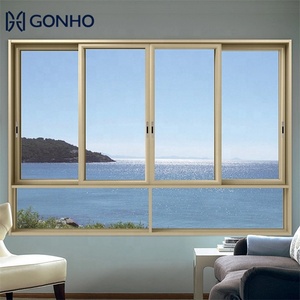
GONHO Hot Selling Sliding Mosquito Net Magnetic Screen Energy Efficient Custom Size Aluminum Alloy Doors Windows
- Magnetic self-closing seal
- Heavy-duty extruded track
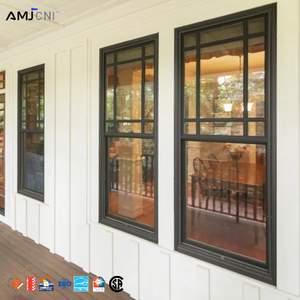
AMJ NFRC Csa AS2047 Modern Replacement windows Aluminum Door and Window Aluminum Vertical Sliding Window Double Hung Window
- Concealed sash balance
- Removable insect mesh screen
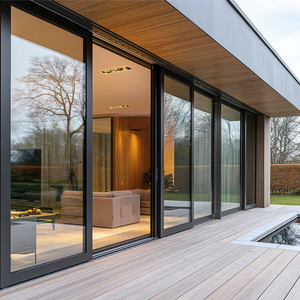
Modern High-quality Double Glazed Aluminum Sliding Patio Exterior Glass Back Door System Sound Insulation Water Hospital Hotel
- Multi-track integrated net
- High acoustic barrier rating
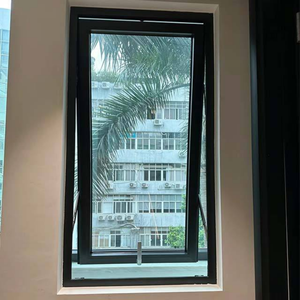
Wholesale Modern Aluminum Outward Top Hung Awning Window Thermal Insulation Waterproof Design Ventilation Outdoor Bathroom
- Weatherproof awning design
- Fixed micro-mesh insert
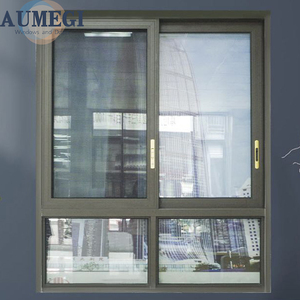
Aumegi Double Glazing Aluminum Glass Sliding Window Green Color Sliding Windows
- Anti-UV tinted glazing
- Smooth sliding mosquito sash
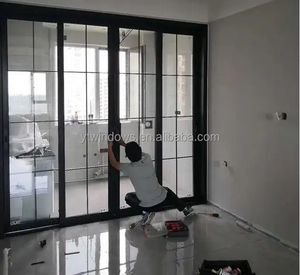
Newest Design Sliding Back Doors 5 Tracks Aluminium Sliding Door Double Tempered Glass Sliding Door Latest Main Gate Designs
- Dedicated screen tracks
- 316 Stainless steel security net
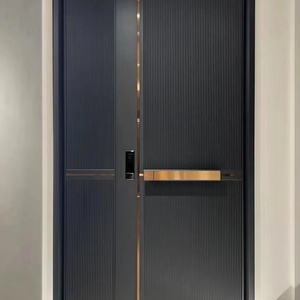
FoShan High-End Cast Aluminum Security Anti-Theft Villa Entry Door Stainless Steel Entrance Door of a Self-built House
- Solid cast structural rigidity
- Integrated anti-knife slash mesh
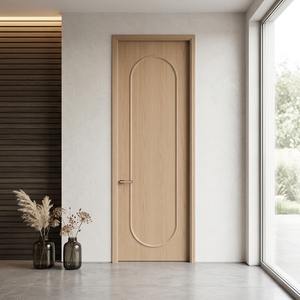
Customized Modern Luxury Aluminum-wood Framed Bedroom Door Fireproof Waterproof Features Finished Suitable for Villa Hotel Use
- Fire retardant core profile
- Acoustic perimeter compression
Exporting Architectural Aluminium Mosquito Doors to Kenya: Technical & Engineering Whitepaper
Comprehensive market analysis on material metallurgy, vector-borne disease defense, and coastal environmental resilience for East African commercial & luxury residential developments.
In equatorial East Africa, rapid urbanization and infrastructure investments across Kenya have redefined the performance criteria for fenestration products. Real estate developments spanning Nairobi County, the Mombasa Coastal strip, Kisumu, and the broader Rift Valley require advanced building envelopes capable of addressing two competing imperatives: continuous natural airflow and absolute defense against biological vectors such as Anopheles mosquitoes, flies, and venomous pests. For property developers, architectural contractors, and hardware import consortiums, sourcing wholesale aluminium mosquito net doors requires strict compliance with international manufacturing benchmarks and local Kenyan climate challenges.
Historically, residential and commercial properties in Kenya relied on rudimentary timber framed screens, light nylon netting, or mild steel grilles welded locally. While mild steel provides burglary deterrence, it rapidly oxidizes in coastal zones like Mombasa, Diani, and Malindi under aggressive saline trade winds. Conversely, conventional nylon and fiberglass fly screens deteriorate under Kenya's high solar ultraviolet indices, tearing easily and failing to deliver security. The modern engineering solution, pioneered by Chinese industrial manufacturing centers like Foshan, integrates architectural 6063-T5 aluminium alloy extrusions with high-tensile 304 and 316 marine-grade stainless steel woven wire mesh (popularly known as "King Kong Mesh" or Security Screen Netting).
Engineering Principle: Dual Vector-Defense & Burglary Deterrence
Unlike standard fly netting that only prevents insect ingress, our heavy-duty aluminium mosquito net door assemblies utilize 0.8mm to 1.0mm diameter stainless steel wire woven in an 11-mesh per inch configuration. This geometry guarantees an aperture size of approximately 1.5mm—impenetrable to mosquitoes and sand flies—while achieving knife-shear resistance exceeding 2,100 N and impact load tolerances compliant with AS2047 security standards.
As a seasoned direct exporter to Kenya, our engineering lines produce modular and custom assemblies designed specifically for sea-freight transport into the Port of Mombasa (Kilindini Harbour) and swift clearance via the Nairobi Inland Container Depot (ICD). From single hinged doors to massive 5-track sliding patio setups, our systems integrate multi-point locksets, EPDM acoustic weatherseals, and electrostatic fluorocarbon powder coatings rated for over 3,000 hours of neutral salt spray testing.
Localized Application Scenarios Across Kenya's Micro-Climates
Kenya presents distinct environmental demands—from the tropical marine salinity of the Indian Ocean to the high-altitude conditions of the central highlands. Here is how our aluminium insect doors are deployed.
Nairobi Luxury Estates & Gated Compounds
In high-end suburbs such as Karen, Runda, Muthaiga, Kitisuru, and Gigiri, modern architectural villas demand expansive floor-to-ceiling openings that seamlessly merge indoor living with outdoor landscaping. Our multi-track sliding mosquito screen doors and bi-fold fly doors allow homeowners to keep exterior glass doors open all evening for natural ventilation without allowing nocturnal insects inside, while providing verified anti-burglary resistance.
Nairobi MetropolisCoastal Beachfront Resorts & Residences
Properties in Mombasa, Nyali, Malindi, Kilifi, and Lamu face extreme airborne humidity, tropical temperatures, and continuous salt air corrosion. Conventional hardware rusts within months. We specify Grade 316 stainless steel woven mesh paired with PVDF fluorocarbon-coated aluminium profiles (60-80 microns coating thickness), preventing pitting corrosion and guaranteeing effortless operation across decades of seaside exposure.
Coast ProvinceLake Victoria Basin & Kisumu Developments
Surrounding Lake Victoria, Kisumu, and Homa Bay, the density of flying midges (Lake flies) and malaria-transmitting mosquitoes is significantly higher than in highland zones. Our fine micro-aperture magnetic screens and double-hung vertical sliders ensure airtight perimeter compression with brush pile seals and magnetic strips, stopping microscopic insects from bypassing the frame margins.
Western KenyaRift Valley Eco-Lodges & Safari Tented Camps
In Naivasha, Nakuru, and the Masai Mara eco-tourism corridor, high-end hospitality operators require biophilic designs that immerse guests in nature without exposing them to wild insects or pests. We supply custom wood-grain powder-coated aluminium insect doors that blend with natural timber aesthetics while eliminating warping, termite degradation, and fire risk.
Rift ValleyHospitals, Healthcare & Food Processing Plants
Sanitation codes enforced by the Ministry of Health and international food hygiene auditors mandate strictly sealed vector barriers in pharmaceutical warehouses, dairy plants in Eldoret, and hospitals in Kiambu. Our commercial-grade heavy-duty swing screens with automatic hydraulic door closers maintain passive sterile environments without obstructing human foot traffic.
Institutional & CommercialHigh-Density Urban Apartments & Condominiums
In Kilimani, Westlands, and Kileleshwa, multi-story apartment blocks require compact balcony sliding insect doors. Space-saving pocket designs and slimline aluminium frame profiles guarantee maximum glass view lines while offering residents natural cross-ventilation, significantly reducing air-conditioning power consumption amidst rising electricity tariffs in Kenya.
Urban Multi-FamilyEngineering Comparison: Door Mesh & Frame Substrates in East Africa
Evaluate structural specifications, corrosion resistance, and lifecycle durability across common Kenyan market options.
| Performance Parameter | Standard Nylon/Fiberglass Screen | Mild Steel Welded Mesh Door | DERCHI Heavy-Duty Aluminium + SS316 |
|---|---|---|---|
| Structural Frame Profile | 0.6mm Recycled Thin Aluminium or Timber | 1.2mm Hollow Steel Tube (Uncoated Inside) | 1.4mm - 2.0mm Architectural 6063-T5 Extrusion |
| Mesh Wire Material | PVC-coated fiberglass strand | Woven galvanized iron wire / expanded metal | AISI 316 / 304 High-Tensile Stainless Steel (0.8mm) |
| Coastal Saline Durability | Mesh degrades; timber frames warp/rot | Severe Rusting within 6-12 Months | Zero Oxidation (>15 Years Lifespan) |
| Burglary & Knife Shear Resistance | None (Easily cut with utility blade) | Moderate (Prone to crowbar weld failure) | AS2047 High Impact & Anti-Jemmy Certified |
| Aperture & Pest Vector Seal | Inconsistent over time; sags in sun | Large openings (>5mm) admit mosquitoes | Precision 1.5mm Square Woven Mesh Grid |
| Surface Treatment Standards | Basic wet paint (Prone to chipping) | Manual red oxide primer + gloss enamel | AkzoNobel / PPG Qualicoat Powder Coating (60-80μm) |
| Ventilation Airflow Efficiency | Moderate (Fibers fray and collect dust) | Poor (Bulky steel bars block crosswinds) | High (68% Open Airflow Aerodynamic Ratio) |
Market Evolution & Emerging Trends in Kenya (2025–2030)
Key economic, regulatory, and architectural catalysts transforming the procurement of door and window hardware in the East African Community (EAC).
Strict Enforcement of KEBS & PVoC Regulations
The Kenya Bureau of Standards (KEBS) and the National Construction Authority (NCA) have tightened imports of structural hardware. Chinese exporters must provide compliant Pre-Export Verification of Conformity (PVoC) certificates and accredited laboratory test reports (ISO 9001 / AS2047) to guarantee immediate release at the Mombasa container terminal.
Rise of Integrated Security Mosquito Screens
Architects across Kenya are abandoning traditional unsightly steel burglar bars ("grilles") in favor of flush-mounted architectural aluminium security doors. Homeowners want modern minimalism without compromising personal safety or mosquito exclusion, accelerating demand for 3-in-1 multi-track door systems.
Green Building & Passive Cooling Mandates
With escalating utility rates in Kenya, projects designed according to EDGE (Excellence in Design for Greater Efficiencies) certification prioritize passive ventilation over non-stop air conditioning. High-transmittance aluminium fly screen doors allow night-purge ventilation, dropping indoor temperatures by up to 5°C naturally.
Transition from On-Site Welding to Modular Systems
Kenyan developers previously hired informal local metalworkers (Fundis) to fabricate window frames on-site. Today, the commercial sector demands factory-finished, pre-hung, CNC-milled aluminium door sets with millimeter precision, uniform powder coating, and warranted stainless steel corner joints.
Bespoke Sizing for Modernist Villa Architecture
Standard off-the-shelf doors no longer suffice for high-end developments in counties like Kiambu and Machakos. Demand has spiked for custom oversize heights (2.4m to 3.2m), heavy-duty concealed German pivot hinges, and flush threshold tracks that allow wheelchair and stroller access without tripping hazards.
Smart Home & Magnetic Retractable Screens
High-net-worth real estate buyers in Nairobi are adopting motorized and magnetic retractable insect barrier systems that roll discreetly into an extruded aluminium cassette when not in use, preserving panoramic garden or skyline vistas during insect-free daytime hours.
Why Kenyan Importers & Contractors Partner With Our Factory
Decades of manufacturing precision, certified global export protocols, and dedicated project engineering support ensure seamless fulfillment from our production floor directly to your Nairobi or Mombasa jobsite.
180,000㎡ Mega Facility
Our centralized manufacturing base houses advanced horizontal powder-coating lines, CNC profile machining centers, and an integrated wire weaving facility capable of producing 25,000+ sqm of doors monthly.
KEBS & PVoC Full Support
We work directly with authorized international inspection agencies (SGS, Intertek, Bureau Veritas) to coordinate pre-shipment inspections, material test submittals, and prompt Certificate of Conformity (CoC) issuance.
Free Architectural CAD Shop Drawings
Our 600+ skilled team includes bilingual fenestration engineers who produce detailed 2D/3D CAD shop drawings, connection details, and structural anchoring plans tailored to your site structural masonry or RC frame.
Reinforced Export Packaging
All doors are sealed with protective anti-scratch films, cushioned with heavy closed-cell corner foam, and crated inside fumigated export-grade plywood crates, ensuring zero transit damage during sea transit to Mombasa.
Frequently Asked Questions by Kenyan Importers & Contractors
Clear, direct answers regarding customs compliance, maritime logistics, material grading, and field installation across Kenya.
What are the import procedures and customs compliance requirements for aluminium doors arriving at Mombasa Port?
+
Shipments imported into Kenya must comply with the Pre-Export Verification of Conformity (PVoC) program mandated by the Kenya Bureau of Standards (KEBS). Before loading at our factory, an authorized inspection agency (such as SGS, CCIC, or Intertek) inspects the goods to verify quality standards, dimensions, and alloy specifications, issuing a Certificate of Conformity (CoC). This CoC, alongside your Import Declaration Form (IDF) generated via the Kenya TradeNet System and the Bill of Lading, allows your clearing agent to complete customs clearance via the Kenya Revenue Authority (KRA) Simba/iCMS system smoothly at Kilindini Harbour or the Nairobi Inland Container Depot (ICD) in Embakasi.
Which stainless steel mesh grade should be specified for coastal Mombasa versus inland Nairobi?
+
For high-salinity marine zones such as Mombasa Island, Nyali, Diani, Watamu, and Lamu, we strictly recommend Grade 316 stainless steel security mesh. SS316 contains 2%–3% molybdenum, which provides exceptional resistance to chloride pitting and crevice corrosion caused by ocean salt spray. For inland, high-altitude locations like Nairobi, Nakuru, Eldoret, and Nanyuki, Grade 304 stainless steel offers outstanding tensile strength, structural longevity, and complete mosquito exclusion at a slightly more economical price point.
How does your 0.8mm security wire mesh compare to standard fiberglass mosquito nets sold in Kenya?
+
Standard fiberglass fly screens sold in local Kenyan hardware stores are fragile netting materials primarily designed for lightweight insect exclusion. They tear easily under clawing by domestic pets, degrade within 18 to 24 months due to tropical UV exposure, and provide zero protection against forced entry. Our 0.8mm high-tensile 304/316 woven stainless steel screen is an armored security barrier that cannot be slashed with utility knives, resists crowbar prying when anchored in our heavy extruded aluminium frame, and withstands repeated impact loads while still ensuring optimal insect defense and fresh air airflow.
What is the standard production and sea shipping transit time from China to Kenya?
+
Standard factory production time for customized wholesale orders typically ranges from 20 to 30 working days, depending on profile finishes, RAL color specifications, and quantity. Ocean freight from major South China ports (Shenzhen/Guangzhou/Nansha) to the Port of Mombasa typically requires 18 to 25 days transit time via direct shipping lines (such as Maersk, CMA CGM, or Cosco). Therefore, Kenyan contractors should plan for an end-to-end timeline of approximately 6 to 8 weeks from shop drawing sign-off to port arrival.
Can you manufacture custom dimensions to retrofit existing residential openings in Kenya?
+
Yes, 100% of our production can be customized. Many refurbishment projects in Nairobi or older villas in Mombasa have non-standard masonry openings. Our engineering team converts your on-site opening schedule into accurate CAD production drawings, incorporating sub-frames, adjustable jamb adaptors, and customized fixing fins to ensure an airtight, watertight, and perfectly plumb installation without damaging surrounding walls.
What is the minimum order quantity (MOQ) and how are fragile screen doors protected during ocean transport?
+
Our factory supports both full container loads (FCL 20GP/40HQ) for commercial developments and consolidated LCL (Less than Container Load) orders for private luxury villas, with an MOQ starting from just 10 square meters for bespoke orders. For packaging, every individual door panel is wrapped in protective PE shrink film, encased with heavy EPE foam corner protectors, and packed into reinforced, ISPM-15 compliant fumigated solid plywood crates with integrated lifting skids to prevent transit shock and forklift damage.