Comprehensive Architectural Casement & Glazing Solutions
Precision-fabricated in our 180,000㎡ manufacturing base. Every system integrates multi-chambered thermal barriers, German-standard EPDM continuous weatherstripping, and high-performance hardware configured for Vietnam's coastal and tropical monsoon climates.
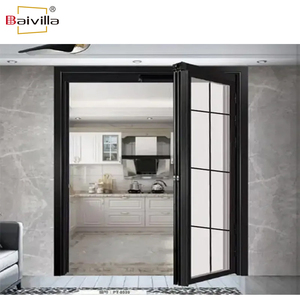
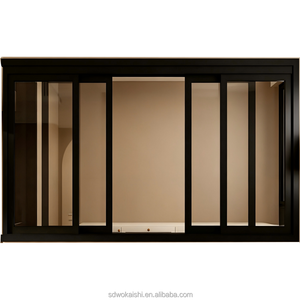
Modern Double Glazed Stacker Sliding windows Commercial Exterior Patio Panoramic Aluminum Soundproof
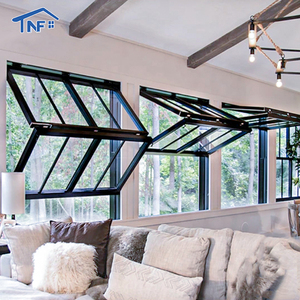
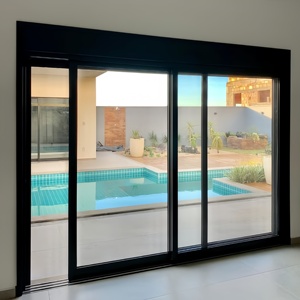
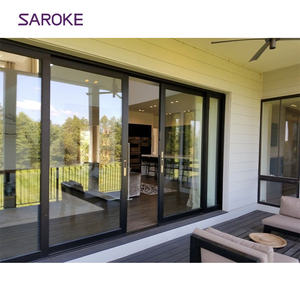
4 Panel Large Glass European Model High End Aluminum Sliding Doors and windows
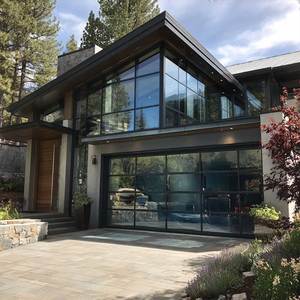
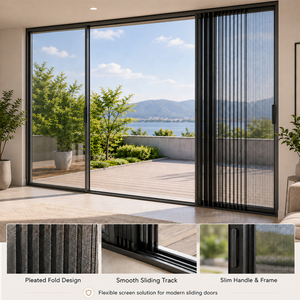
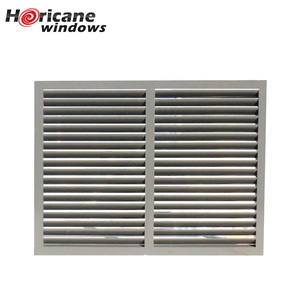
Engineering Casement Systems for Vietnam's Extreme Macro-Environments
Vietnam presents one of the most rigorous microclimatic operating environments in Southeast Asia for exterior architectural envelopes. Standard commercial casement assemblies specified for moderate continental climates frequently suffer premature seal embrittlement, catastrophic water ingress under monsoon conditions, and structural deflection under typhoon wind pressures.
Our export-grade aluminium casement windows are purpose-engineered with high-tensile 6063-T5 and 6063-T6 primary architectural alloys, integrating wall thicknesses ranging from 1.6mm to 2.2mm. By incorporating multi-chambered structural extrusions paired with precision-crimped polyamide PA66 GF25 thermal breaks, our profiles prevent conductive heat transfer during southern dry seasons while mitigating chronic interior condensation during northern humid cycles.
The Northern "Nồm" Humid Phenomenon
From February to April, Northern Vietnam (Hanoi, Hai Phong, Bac Ninh) encounters extreme relative humidity levels exceeding 95-98%. Standard metal windows conduct external cold, precipitating massive condensation runoff that ruins interior finishes and drives mildew proliferation. DERCHI casement suites utilize multi-chamber composite profiles and isothermal barrier placement to keep internal frame temperatures above dew-point thresholds.
Localized Deployment Across Vietnam’s Key Economic Zones
From typhoon-prone coastal corridors to high-density metropolitan high-rises and expanding industrial estates, our aluminium casement suites deliver tailored structural performance.
Central Coastal Resorts (Da Nang, Nha Trang, Phu Quoc)
Oceanfront hospitality projects demand aggressive resistance to saline corrosion and cyclic typhoon winds exceeding Category 12. We equip our casement suites with AAMA 2605-compliant PVDF coatings (minimum 3-coat fluorocarbon) or 25-micron architectural anodized treatments, resisting 3,000+ hours of neutral salt spray testing without pitting.
Metropolitan Luxury Towers (Hanoi & Ho Chi Minh City)
Urban master-planned developments like Thu Thiem, Ciputra, and Vinhomes require severe acoustic dampening against continuous motorbike traffic and urban resonance. Paired with 6mm + 12Ar + 6mm or laminated acoustic PVB insulated glass units, our multi-point locking casement sashes attenuate up to 42 dB of ambient airborne sound.
Industrial Headquarters (Bac Ninh, Binh Duong, Hai Phong)
Multinational manufacturers establishing production campuses throughout Vietnam’s key industrial corridors mandate energy-conserving, low-maintenance fenestration conforming to LOTUS or LEED Silver/Gold benchmarks. Our thermal break casement windows substantially reduce daytime HVAC chiller loads.
Comprehensive Fenestration Performance Benchmark
Comparing DERCHI High-Performance Casement Systems against conventional architectural alternatives under Vietnamese national building codes (QCVN 02:2022/BXD & QCVN 09:2017/BXD).
| Performance Characteristic | DERCHI Thermal Break Casement | Standard Non-Thermal Aluminium | Conventional UPVC Casement | Compliance Reference |
|---|---|---|---|---|
| Structural Wind Load Resistance | Class P3 (≥ 3000 Pa) | Class P1 (1200 - 1600 Pa) | Class P2 (1600 - 2000 Pa) | QCVN 02:2022/BXD / AS2047 |
| Watertightness Under Driving Rain | ≥ 600 Pa (No Leakage) | 200 - 300 Pa | 250 - 350 Pa | ASTM E331 / BS EN 12208 |
| Air Permeability / Infiltration | Class 4 (< 0.5 m³/h·m) | Class 2 (1.5 - 2.0 m³/h·m) | Class 3 (0.8 - 1.2 m³/h·m) | EN 12207 / AS 2047 |
| Thermal Transmittance (U-Value) | 1.4 – 1.8 W/m²·K | 4.5 – 5.8 W/m²·K | 2.0 – 2.4 W/m²·K | QCVN 09:2017/BXD (Energy Code) |
| Acoustic Attenuation (Rw / STC) | 38 dB – 44 dB | 26 dB – 30 dB | 31 dB – 34 dB | ISO 717-1 / ASTM E413 |
| Surface Finish Coastal Durability | PVDF 3-Coat (3000h Salt Mist) | Standard Powder (500h) | UV Yellowing Risk < 3 Yrs | AAMA 2605 / Qualicoat Class 2 |
Note: Test data validated via accredited third-party international testing laboratories in accordance with AS2047, NFRC, and CE testing protocols. Shop drawings and project calculation reports submitted with every export order.
Key Procurement & Architectural Trends in Vietnam's Building Sector
Strategic shifts in property development regulations, sustainability mandates, and homeowner preferences shape how contractors and developers source exterior envelope packages.
1. Accelerated Adoption of LOTUS & EDGE Green Certifications
Vietnam's Ministry of Construction is aggressively pushing compliance with national green building standards. Developers are moving away from monolithic single-glazed framing toward high-efficiency Low-E argon-filled units with thermal breaks to meet Envelope Thermal Transfer Value (OTTV) thresholds below 45 W/m².
2. Demand for Concealed Friction Hinges & Minimalist Sightlines
Contemporary luxury residential trends in Thao Dien (HCMC) and Tay Ho (Hanoi) favor ultra-narrow outer frames with completely concealed heavy-duty 304/316 friction hinges. These architectural profiles maximize natural daylighting ratios without compromising 180° panoramic outward sightlines.
3. Direct-from-Factory Chinese Sourcing with ACFTA Form E
General contractors face intense margin pressures on commercial developments. By sourcing direct from Guangdong manufacturers, procurement teams eliminate tiered distributor markups while securing 0% import preferential tariffs via ASEAN-China Free Trade Area (ACFTA) Form E documentation.
Frequently Asked Questions for Vietnamese Project Buyers
Clear, technically precise answers addressing customs compliance, structural verification, shipping logistics, and job site installation throughout Vietnam.