Global Manufacturing Standards
Verified Engineered Windows & Entry Architecture
Explore our precision-crafted aluminum architectural systems. Built in a state-of-the-art 180,000㎡ production base, every configuration is certified to Australian AS 2047, European CE, and ISO 9001 quality performance criteria.
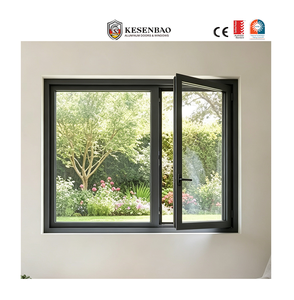
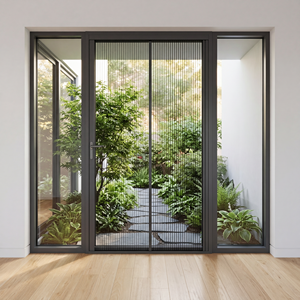
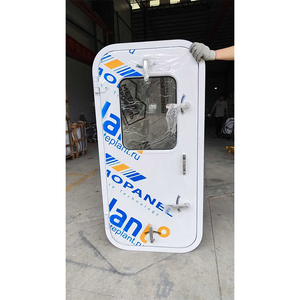
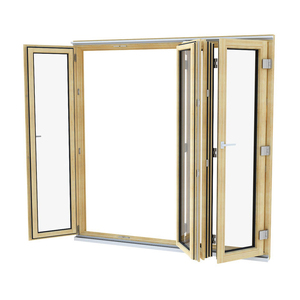
180,000㎡
Production Campus
25+
Years Industry Expertise
30+
Patented Innovations
AS 2047 N6
Certified Structural Rating
Architectural Procurement Analysis: Engineering Aluminum Double Pane Windows
Modern commercial and residential envelopes require performance-driven fenestration systems. As building standards like ASHRAE 90.1, Title 24, and the International Energy Conservation Code (IECC) evolve, high-performance aluminum double pane windows have become central to structural efficiency. As an established global manufacturer, DERCHI provides engineering teams, architects, and contractors with thermally superior, windproof, and acoustically isolated assemblies engineered specifically for high-stress environmental conditions.
The core structural advantage of aluminum lies in its strength-to-weight ratio. However, without thermal insulation, untreated aluminum exhibits a high heat transfer rate of roughly 160 W/m²K. Modern architectural systems overcome this using polyamide (PA66 GF25) thermal breaks. These glass fiber-reinforced barriers isolate internal and external extrusion profiles, cutting framing conduction and lowering overall window U-values to under 1.6 W/m²K.
Polyamide Thermal Barriers
Reinforced PA66 nylon isolators structurally decouple structural extrusions, preventing thermal bridging and stopping interior condensation in extreme climates.
Double Glazed IGU Engineering
Features double-tempered automotive glass with 12A–16A warm-edge spacers, filled with 90%+ Argon gas and finished with spectrally selective Low-E coatings.
Multi-Point Perimeter Sealing
Co-extruded vulcanized EPDM compression gaskets form multi-chamber air barriers that resist sand, wind loads, and heavy driving rain.
Technical Performance Matrix
| Performance Metric | Industry Standard | DERCHI Engineered Benchmark | Structural Benefit |
|---|---|---|---|
| Thermal Transmittance (U-Value) | 2.8 – 3.5 W/m²K | 1.2 – 1.6 W/m²K | Significantly reduces HVAC cooling loads in desert and tropical climates |
| Wind Pressure Resistance | Class 3 (1500 Pa) | AS 2047 N6 (Up to 4500 Pa) | High-rise and coastal architectural stability under typhoon conditions |
| Acoustic Attenuation (STC) | 28 – 30 dB | 38 – 45 dB | Dual-thickness glass dampens sound across low and high frequencies |
| Surface Anodizing / Powder Coat | 40–50 Micron Film | Qualicoat Class 2 Standard | Guards against UV exposure, salt air corrosion, and sand abrasion |
Future Procurement Trends: Fenestration for 2026 and Beyond
B2B fenestration procurement is moving from transactional parts ordering to integrated technical envelope packages. Commercial developers and high-end residential builders increasingly prioritize three key supply chain capabilities:
1. Carbon Accounting & Circularity: With tightening ESG disclosure and LEED certification standards, primary aluminum billets are increasingly evaluated on embodied carbon. Sourcing strategies are shifting toward hydro-powered smelters and post-consumer recycled alloys (minimum 6063-T5/T6 architectural grade) that retain structural integrity over decades.
2. Climate-Adaptive Smart Glazing: Double pane units now integrate dynamic photochromic coatings and micro-laminated photovoltaics. When combined with smart home and building management systems, these glass assemblies actively modulate solar heat gain coefficients (SHGC) during peak daylight hours.
3. Single-Source Manufacturing Integration: Large projects carry high coordination risks when window, entry pivot door, and curtain wall packages are split across multiple vendors. Leading developers prefer consolidated manufacturers that handle architectural shop drawings, testing submittals, and unified hardware finishes across the entire fenestration package.
The DERCHI Manufacturing Advantage: Infrastructure & Quality Control
Guangdong Dejiyoupin Doors and Windows Co., Ltd. (DERCHI) ranks among the premier window and door manufacturing brands in China. Backed by 25+ years of production experience, our company has grown from a specialized workshop into an international manufacturer operating out of an expansive 180,000㎡ industrial campus in Foshan, Guangdong.
Our operations combine automated CNC extrusion lines, German tooling centers, dedicated dust-free insulating glass (IGU) cleanrooms, and testing facilities. Every window and door profile undergoes strict multi-stage quality control:
• Spectrometric Alloy Verification: Every batch of 6063-T5 aluminum extrusions is analyzed for chemical composition and tensile strength before entering production.
• Structural Cycle Stress Analysis: Operating hardware, corner joints, and pivot assemblies undergo continuous testing up to 100,000 cycles without loss of operational balance or air seal.
• Environmental Chamber Testing: In-house testing rigs subject window assemblies to wind pressure, static water resistance, and air infiltration cycles verified under Australian Standard AS 2047 guidelines.
• Shop Drawing & Engineering Support: Our in-house technical team produces free detailed CAD shop drawings, glass stress schedules, and hardware submittals to streamline consultant and architect approvals.
Frequently Asked Sourcing & Technical Questions (FAQ)
Key answers to technical, logistics, and compliance questions common among international contractors and project developers.
What are the key technical parameters required for custom window submittals? ↓
To provide precise architectural shop drawings and certified engineering quotes, please share: opening dimensions, profile series preference, required glass build (e.g., 6mm Low-E + 12A Argon + 6mm Clear tempered), hardware configurations, color codes (RAL or Qualicoat specifications), and local design wind load (Pa) or acoustic (STC) ratings.
How does DERCHI prevent seal failure and fogging in double pane units? ↓
Our Insulated Glass Units (IGUs) are assembled in temperature- and humidity-controlled cleanrooms using dual-barrier sealing: primary polyisobutylene (PIB) seal to block moisture transmission, paired with a structural silicone secondary seal. Integrated continuous warm-edge desiccant spacers absorb any residual moisture, preventing interior condensation and fogging over the window's service life.
How do thermally broken aluminum windows perform in extreme 50°C climates? ↓
Under extreme desert or tropical conditions, external frame temperatures can reach 70°C. Standard aluminum readily conducts this heat inside, overworking cooling equipment. DERCHI's multi-chamber PA66 GF25 thermal breaks isolate the interior profile from external heat, reducing interior frame temperatures by up to 25°C and lowering HVAC energy demand.
What international testing standards and third-party certifications apply? ↓
Our architectural product lines hold 8 international certifications, including CE, ISO 9001, RoHS, and Australian AS 2047 (rated to N6 wind pressure). We also offer UL-certified fire-rated assemblies and hold more than 30 technology and design patents, ensuring smooth approval processes with project consultants and building authorities.
How are fragile large-format double-glazed products protected during sea freight? ↓
Every product leaf is protected with non-scratch protective film, corner edge caps, and closed-cell pearl foam padding. Assemblies are secured inside custom IPPC-compliant fumigated solid plywood crates with internal rubber shock damping. Crates feature clear center-of-gravity markers and forklift slots for safe dockside unloading.
Partner with an Experienced Window & Door Manufacturer
Coordinate your complete fenestration package—including casement systems, sliding assemblies, oversized pivot designs, and fire-rated doors—direct with our engineering team.
Inquire Now