Featured Aluminium Residential Doors & High-Performance Fenestration Systems
Precision-engineered residential door assemblies and complementary architectural fenestration solutions tested to withstand rigorous environmental loads, extreme diurnal temperature swings, and severe weather conditions.
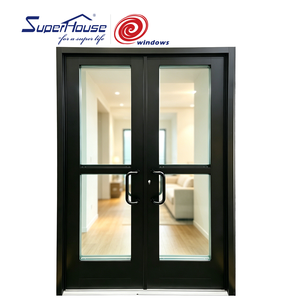
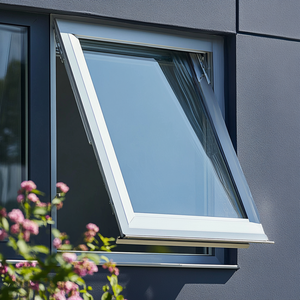
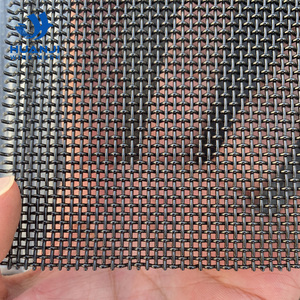
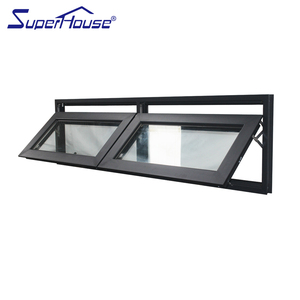
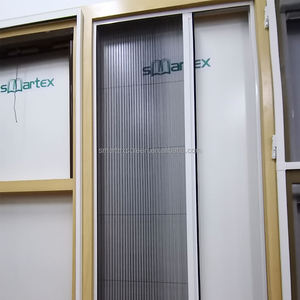
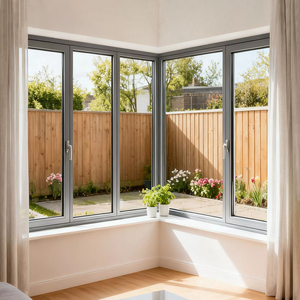
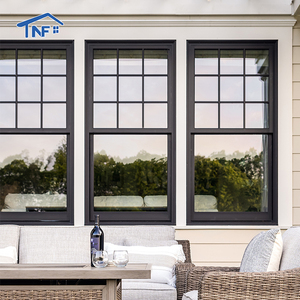
Executive Fenestration Analysis: Contemporary residential architecture demands fenestration systems that achieve an intricate equilibrium among structural resilience, architectural transparency, and stringent thermal insulation. Aluminium residential doors have emerged as the benchmark choice for luxury residential estates, high-end multi-family developments, and coastal custom villas across the globe. Characterized by high strength-to-weight ratios, dimensional permanence against hygroscopic deformation, and compatibility with polyamide thermal break barriers, architectural aluminium entry and patio systems outperform timber and uPVC alternatives under intense climatic stressors.
As an internationally acknowledged engineering and manufacturing leader with over 25 years of specialized metallurgical fenestration experience and a massive 180,000 m² smart production infrastructure in Foshan, Guangdong, our export consortium operates at the vanguard of cross-border supply chains. This document provides developers, facade consultants, procurement officers, and architects with a comprehensive technical specification framework, lifecycle assessment data, and forward-looking procurement methodologies for aluminium residential door systems.
Comprehensive Typology & Performance Specification Matrix
Comparing mechanical strength, thermal transmittance (U-factor), air tightness, water penetration resistance, and acoustic dampening (STC) across principal residential door typologies.
| Door Typology | Structural Profile & Alloy | Thermal Break Mechanism | Max Panel Dimensions | Acoustic Rating (STC) | Primary Environmental Fit |
|---|---|---|---|---|---|
| Grand Architectural Pivot Door | 6063-T6 / T5 Extruded (3.0mm wall) | PA66 GF25 Polyamide Bar (24-34mm) | 3200mm (W) × 6000mm (H) | STC 38 – 44 dB | Coastal & Desert Mansions |
| Double Glass French Entry Door | 6063-T6 Marine-Grade Profile (2.0mm) | Dual-Chamber Multi-Cavity Insulator | 2400mm (W) × 3000mm (H) | STC 36 – 42 dB | High-End Residential Estates |
| Thermally Broken Bi-Fold System | Heavy-Duty Bottom Roller Guide Profile | Continuous Technoform Polyamide Strip | 12000mm total width (multi-leaf) | STC 34 – 40 dB | Indoor-Outdoor Balconies |
| Heavy-Duty Lift & Slide Patio | Precision Multi-Track Extrusion (2.5mm) | EPDM Triple-Lip Sealing + PA66 Bar | 3500mm per sash / 400kg payload | STC 37 – 43 dB | Severe Cyclonic / Coastal Zones |
| Armored Cast Aluminium Security Door | Cast Aluminium Panel + Steel Sub-frame | Polyurethane Core + Thermal Barrier | 1800mm (W) × 2800mm (H) | STC 42 – 48 dB | Maximum Security Luxury Gates |
Why Global Tier-1 Contractors Rely on Our Manufacturing Capabilities
Integrating proprietary metallurgical formulation, precision CNC robotics, rigorous QA metrology, and comprehensive export logistics into a friction-free B2B supply ecosystem.
Vertically Integrated 180,000㎡ Mega-Facility
Operating from Foshan, Guangdong—the world’s epicentre of architectural aluminium manufacturing—our facility incorporates automated profile extrusion lines, robotic powder-coating ovens, multi-axis Elumatec CNC milling centres, and automated double/triple-pane IGU assembly lines. Complete vertical control over production eliminates subcontracting delays and ensures strict tolerance control within ±0.3mm across every extrusion.
International Accreditations: CE, AS2047 & ISO
Our products undergo full destructive, water tightness, air infiltration, and cyclical wind load testing by independent notified bodies. We maintain valid certifications conforming to Australian Standards AS2047 and AS1288 (achieving extreme N6 cyclonic ratings), European CE EN14351-1, North American NFRC / AAMA/WDMA/CSA 101/I.S.2/A440, and UL 10C positive pressure fire-door standards.
Proprietary Thermal & Anti-Corrosion Technologies
Export door assemblies utilize certified PA66 GF25 thermal barriers, insulating multi-chamber cores with high-density polyurethane foams (45kg/m³), and Class 2/3 fluoropolymer PVDF coatings conforming to AAMA 2605. Our marine-grade finishes resist over 4,000 hours of accelerated neutral salt spray testing (ASTM B117), providing complete corrosion immunity for coastal developments in Dubai, Miami, Sydney, and the Caribbean.
Free CAD/BIM Shop Drawings & Engineering Consultation
Every commercial and bespoke residential procurement order is paired with our dedicated facade engineering team. We supply complete 2D CAD fabrication schedules, structural wind load deflection calculations according to ASCE 7 / AS 1170.2, thermal simulation isotherm mapping, and 3D BIM (Revit) objects to ensure seamless architectural submittal approval before tooling begins.
Containerized Armor Packing & Global Port Delivery
Transoceanic freight demands specialized crating. Finished door leaves and extruded frames are wrapped in low-tack protective film, corner-guarded with high-density EPE foam, and encased within fumigated solid plywood crates with integrated desiccant bags. Sashes with delicate glass units feature internal steel banding and shock sensors, ensuring 100% defect-free arrival at Jebel Ali, Los Angeles, Rotterdam, or Sydney.
Over 25 Years of Proven Cross-Border Export Pedigree
Having delivered fenestration systems for luxury villa clusters, multi-unit residential towers, five-star hospitality suites, and custom private estates across North America, the Middle East, Southeast Asia, and Australasia, our multilingual project engineers understand localized building codes, tax classification tariffs, container consolidation, and on-site contractor installation protocols.
Future Procurement & Technological Trends in Aluminium Residential Doors
Strategic market analysis of evolving environmental standards, biophilic oversized glazing, automated hardware mechanics, and circular economy requirements shaping international tenders.
Decarbonized Sourcing & Low-Carbon Recycled Aluminium
Mandatory embodied carbon caps under the EU Corporate Sustainability Due Diligence Directive (CSDDD) and LEED v4.1 certification are transforming procurement criteria. Leading developers increasingly require primary billet smelting powered by hydroelectric energy, generating less than 4.0 kg CO₂e per kg of aluminium, alongside closed-loop scrap recycling (minimum 65% post-consumer content) backed by verified Environmental Product Declarations (EPD).
Monumental Oversized Pivot & Motorized Assemblies
Architectural aesthetics have moved definitively toward floor-to-ceiling unencumbered portals. Single sash door leaves surpassing 3.0 metres in width and 5.5 metres in height are now common specifications in luxury residential portfolios. These monumental dimensions necessitate aircraft-grade heavy-duty floor spring pivots (rated for 1,200kg weights) integrated with brushless servo motors, magnetic contactless reed sensors, and silent belt drives for effortless automation.
Biometric IoT Integration & Multi-Point Concealed Automation
Mechanical key cylinders are yielding to integrated biometric facial recognition cameras, encrypted 3D capacitive fingerprint scanners, and Matter-compatible home automation gateways concealed inside thermal profiles. Multi-point motorized shoot-bolts engage in under 0.8 seconds to establish airtight, hermetically sealed compression against cyclonic rain and acoustic intrusions, achieving certified RC3 / PAS 24 burglar resistance standards.
Climate-Resilient Multi-Chamber Thermal Insulation
With building codes continuously shrinking allowable U-factors (such as the UK Building Regulations Approved Document L and California Title 24), fenestration engineers are abandoning simple non-broken extrusions. Advanced systems incorporate multi-cavity polyketone or fiberglass-reinforced PA66 GF25 insulating struts filled with aerogel or expanded polystyrene (EPS) inserts, driving total door system Uw values below 0.95 W/m²K in triple-glazed warm-edge configurations.
Supply Chain Digital Twins & Parametric QA Transparency
Tier-1 real estate consortiums require real-time visibility into the fabrication cycle. Procurement workflows increasingly link to cloud-based manufacturing execution systems (MES), providing buyers with millimeter-precise laser scan dimensional inspection reports, mill test certificates for alloy composition, anodizing thickness test data (ISO 2360), and live factory video logs for pre-shipment sign-off.
All-Weather Storm & Acoustic Composite Performance
Accelerated urbanization alongside intensifying coastal hurricane frequencies has unified structural demand: residential doors must combine hurricane impact ratings (Miami-Dade County NOA and TAS 201/202/203 testing) with urban acoustic dampening. Laminated PVB/SentryGlas (SGP) makeups combined with triple EPDM co-extruded compression gaskets suppress low-frequency urban traffic rumble while deflecting high-velocity missile impacts and continuous rain loads up to 1,200 Pa.
Step-by-Step Vetting Framework for Sourcing Aluminium Doors from China
Mitigate technical risk, eliminate budget overruns, and avoid structural non-compliance by adhering to this engineered procurement checklist.
Engineering Vetting & Tender Evaluation Protocol
- Validate Primary Ingot Purity & Extrusion Temper: Demand material test reports verifying 6063-T6 or 6061-T6 metallurgical composition. Reject secondary scrap billets with high iron (Fe) contamination which induce intergranular corrosion and compromise structural yield strength under wind shear.
- Examine Polyamide Strip Authenticity: Ensure thermal barrier extrusions utilize virgin PA66 reinforced with 25% glass fiber (PA66 GF25). Reject low-grade PVC substitutes that suffer brittle failure and thermal shrinkage under UV exposure.
- Inspect Surface Treatment Classifications: For powder coatings, require Qualicoat Class 2 or AAMA 2604/2605 certification ensuring minimum 60-80 micron dry film thickness. In coastal environments within 5 km of saltwater, specify marine anodization conforming to Qualanod Class 20/25 (20-25 micron anodic layer).
- Insulated Glass Unit (IGU) Sealing Protocol: Verify that glazed units utilize secondary structural silicone sealing (Dow Corning / Sika) rather than standard polysulfide if exposed to direct UV rays, complete with warm-edge spacers (Swisspacer / Technoform) and argon gas filling to minimum 90% concentration.
- Multi-Point Locking Mechanism Capacity: For heavy oversized panels, ensure internal gear rods, hinges, and drive gears are manufactured from 304/316 stainless steel or zinc-diecast alloy tested for a minimum of 200,000 continuous operation cycles without bearing play or frame sag.
Frequently Asked Questions by International Architects & Procurement Teams
Authoritative technical answers addressing performance metrics, logistics, customization capabilities, and code compliance.
What specific aluminium alloy grade provides optimal structural rigidity for oversized residential entry doors? +
How do thermally broken aluminium doors compare to non-thermally broken profiles in energy performance? +
What surface treatment holds up best in salt-laden coastal conditions like the Gulf or coastal Florida? +
1. AAMA 2605 Fluoropolymer (PVDF) Liquid or Ultra-Durable Powder Coating: Utilizing 70% Kynar 500 / Hylar 5000 resins, this finish demonstrates exceptional resistance to chalking, gloss degradation, and chemical etching, successfully passing 4,000+ hours of continuous salt spray exposure under ASTM B117 testing.
2. Marine-Grade Architectural Anodization (Qualanod Class 20/25): An electrolytic oxide layer measuring 20 to 25 microns thick is grown directly from the parent aluminium substrate. Being chemically integrated, it cannot peel, crack, or blister when subjected to intense saline humidity and abrasive, windblown desert sand.
What is the standard production lead time and typical ocean freight transit time for bespoke orders? +
- Middle East (Jebel Ali, Dammam, Doha): 14 – 20 days
- US West Coast (Long Beach, Oakland): 14 – 18 days
- US East Coast (Savannah, New York): 28 – 35 days
- Australia (Sydney, Melbourne, Brisbane): 12 – 16 days
- Western Europe (Rotterdam, Hamburg, Felixstowe): 28 – 34 days
Can large oversized pivot doors meet certified wind load deflection and water penetration standards? +
What documentation and submittal support is provided for local building authority approvals? +
- Full 2D CAD cross-sectional profile details (DWG and PDF formats).
- 3D BIM models (Revit .RFA format) complete with thermal and acoustic parameters.
- Structural engineering calculations for wind load pressure and anchor spacing signed by accredited facade engineers.
- Certified third-party laboratory test reports for air infiltration (ASTM E283), water penetration (ASTM E331), structural performance (ASTM E330), and acoustic isolation (ASTM E90 / STC).
- Hardware warranty declarations, alloy composition mill sheets, and finish test certificates.
How does your export packaging prevent transit abrasion and glass breakage over long shipping voyages? +
1. Extrusion surfaces receive electrostatic peel-off UV protection films.
2. Perimeter frame profiles and corners are capped with 15mm thick high-density EPE foam profiles.
3. Assembled panels are wrapped in multi-layer vapor barrier bubble film and secured into fumigated, export-grade solid plywood crates lined with waterproof membrane sheets.
4. Sashes with glass panels incorporate internal rubber dampeners, steel stabilizing bands, and exterior 'Tip-N-Tell' tilt and shock sensors. Crates are containerized with heavy-duty air dunnage bags to eliminate any transit shifting.