Engineered Aluminium & Composite Door Systems
Certified thermal insulation, acoustic isolation, and impact-resistant architectural fenestration manufactured for global commercial, luxury residential, and mixed-use developments.
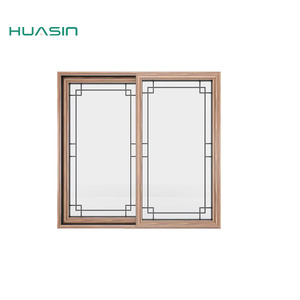
Huasin NFRC CE Double Track Aluminum-Clad Wood Sliding Door
Heavy-duty structural extrusion seamlessly married with interior timber veneer, offering dual-track weather tight gaskets and low-E energy ratings.
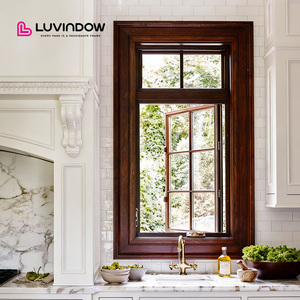
Custom Triple Glazed Aluminum Wooden Window & Door Frames
Triple-pane insulated glazing unit with argon fill, engineered to eliminate thermal bridging in extreme cold or sweltering desert microclimates.
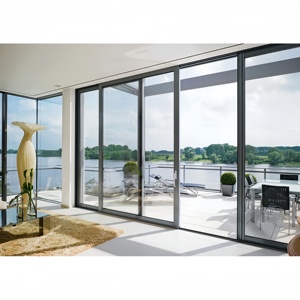
Advanced Bi-Fold Folding Aluminium Commercial Storefront Door
Multi-panel bi-fold architectural system featuring stainless steel guide rollers, perimeter EPDM sealing, and UV-absorbing tinted safety glass.
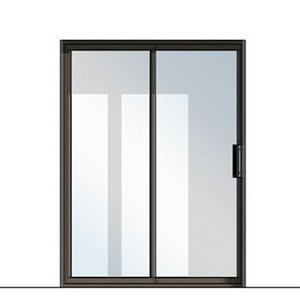
Partition Aluminium Fiber Glass Exterior Sliding System
Reinforced composite frame profiles optimized for high-traffic hospitality corridors, executive commercial entrances, and sound-dampened partitions.
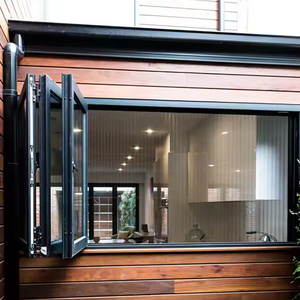
Thermal Break 2.0mm Multi-Panel Folding Villa Patio Doors
Fabricated with 6063-T6 architectural aluminium extrusions and polyamide thermal barriers, minimizing HVAC load under scorching solar exposures.
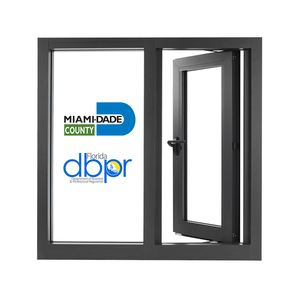
Florida Miami-Dade Hurricane Proof Impact Casement System
Engineered for extreme cyclonic load pressures with laminated SentryGlas interlayers, heavy structural anchors, and continuous multi-point lock hardware.
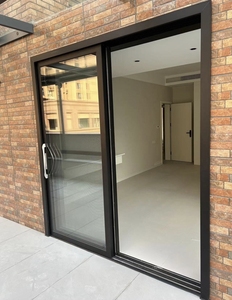
Minimalist Windproof & Waterproof Black Slim Sliding Door
Ultra-narrow interlock profiles maximizing natural luminescence while maintaining strict watertight integrity and high wind-load structural resistance.
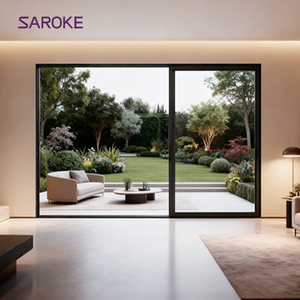
Heavy Duty Lift & Slide Double Glazed Low-E Balcony Door
Engineered for massive architectural leaves weighing up to 400kg per sash with fingertip lift gear mechanisms and marine-grade anodized tracks.
The Global Architecture of Aluminium Composite Panel (ACP) Doors: An Industrial Procurement White Paper
Modern building envelopes and entrance designs demand materials that harmoniously bridge structural resilience, seismic endurance, fire suppression, and architectural grandeur. As a tier-one Aluminium ACP Door Supplier and Exporter, Guangdong Dejiyoupin Doors and Windows Co., Ltd. (DERCHI) leads the industry by implementing precision engineering principles into composite fenestration. By integrating aerospace-grade aluminum composite panel skins with polyamide PA66 GF25 thermal isolators and heavy-gauge architectural alloy extrusions, contemporary ACP doors have shifted from basic utilitarian barriers to advanced, high-performance architectural systems.
Sourcing commercial and residential doors across volatile climates—ranging from the high solar irradiance and abrasive dust of the Middle East (UAE, Saudi Arabia, Qatar, Kuwait) to hurricane-prone coastal regions in North America and oceanic high-wind belts in Australia—requires a thorough review of alloy composition, core flammability, and surface finishing technologies. Standard commercial entry doors frequently suffer from delamination, thermal bowing (bimetallic deflection), accelerated color fading, and hardware stress under continuous cyclic thermal shocks exceeding 50°C. Resolving these issues involves strict compliance with ISO 9001 quality matrices, AS 2047 structural deflection standards, CE marking directives, and Miami-Dade County NOA impact specifications.
Material Anatomy: Core Chemistry, Metallurgy, and Tensile Performance
The structural reliability of an Aluminium Composite Panel door depends directly on the core chemistry, the thickness of the aluminum coil cladding, and the cross-linking adhesive film. Architectural-grade ACP entrance doors engineered for international export are classified into three primary structural iterations:
Mineral-Filled Class A2 FR Core
Composed of 85-90% inorganic non-combustible minerals bonded between 0.50mm fluoropolymer-coated aluminum skins. Emits zero toxic halogens, resists structural ignition up to 1,200°C, and fully meets rigorous skyscraper egress regulations.
Aluminium Honeycomb Composite
Utilizes hexagonal 3003-H18 alloy cellular cores sandwiched via continuous hot-press lamination. Provides an unmatched strength-to-weight ratio, zero internal shear creep, and absolute resistance to warping in oversized pivot doors.
Polyethylene (PE) Low-Density Core
Engineered strictly for internal partitions and low-rise residential installations where acoustic isolation and cost-effective modularity are prioritized over high-rise non-combustible fire ratings.
Beyond the core core architecture, the alloy metallurgy governs external impact thresholds. While commoditized markets use recycled scrap extrusions that succumb to intergranular corrosion, top-tier exporters specify primary billet 6063-T6 or 6061-T6 aluminum alloys. These extrusions undergo precipitation heat treatments that yield tensile strengths greater than 205 MPa and yield strengths beyond 170 MPa, preventing structural sag along extended pivot leaves and wide double-track slider frames.
Comparative Engineering Data Matrix
| Performance Criterion | A2 Class Fire-Rated ACP Door | Honeycomb Core Aluminium Door | Standard Non-Thermal Extruded Door |
|---|---|---|---|
| Core Composition | Inorganic Mineral Matrix (Non-combustible) | Hexagonal 3003-H18 Aluminium Lattice | Hollow / Expanded Polyurethane Foam |
| Cladding Skin Thickness | 0.50mm Marine-Grade 5005 / 3003 Alloy | 0.80mm - 1.20mm High-Tensile Alloy | 0.21mm - 0.35mm Commercial Alloy |
| Thermal Conductivity (U-Value) | 1.3 - 1.7 W/(m²·K) (With PA66 Breaks) | 1.5 - 1.9 W/(m²·K) (Insulated Sash) | 3.8 - 5.4 W/(m²·K) (Severe Thermal Bridge) |
| Acoustic Attenuation (STC) | 38 dB - 44 dB (Dual EPDM Seals) | 35 dB - 40 dB (Acoustic Foam Fill) | 22 dB - 27 dB (Single Perimeter Fin) |
| Wind Pressure Resistance | ASTM E330 & AS 2047 Serviceability N6 | Structural Deflection > 4,500 Pa | Standard Residential < 1,500 Pa |
| Surface Coating Longevity | PVDF (Kynar 500) 3-Coat / 25-Year Warranty | Fluorocarbon / Architectural Anodized 25μm | Basic Polyester Powder Coat (< 5 Years) |
Global Procurement Trends: The Next Era of Architectural Sourcing (2025–2030)
Procurement directors, EPC engineering contractors, and architectural specifiers operate in a fast-evolving B2B supply environment. In major global hubs like Dubai, Riyadh, Miami, Sydney, and Singapore, entrance door specifications have evolved from purely cosmetic choices into complex building envelope assemblies. The following five technological and macroeconomic trends dictate current purchasing behavior:
Deep Decarbonization & Low-Carbon Aluminum
Global developers demand verified Environmental Product Declarations (EPDs). Sourcing now favors manufacturers utilizing hydro-powered aluminum billets, reducing embodied carbon to under 4.0 kg CO2e per kg of primary metal.
Oversized Pivot & Motorized Automation
Modern luxury villas and hotel grand foyers require portal heights exceeding 4.5 meters. Hydraulic floor-spring systems, concealed magnetic locks, and German motor drives integrate directly into smart home automation protocols.
Cyclonic Wind-Borne Debris Resilience
With volatile coastal weather, specifiers in Florida, the Caribbean, and coastal Australasia reject non-tested systems. Mandatory compliance includes large missile impact tests (TAS 201/202/203) with NOA certifications.
Technological Advancements in Modern ACP Door Engineering
Modern manufacturing utilizes automated CNC robotic milling, multi-point laser cutting, and thermo-bonding technologies. Historically, composite panels were framed using mechanical screw fasteners that introduced corrosion pockets and acoustic leakage. Today, DERCHI uses continuous structural bonding adhesives along with seamless welded sub-frames, completely eliminating thermal shorts while preventing sand infiltration in desert environments.
Additionally, nano-fluorocarbon self-cleaning coatings have transformed exterior panel longevity. These coatings lower the surface tension of the PVDF layer, enabling airborne desert sand and maritime salt spray to slide away cleanly during periodic rain or routine wash-downs. This preserves architectural sheen and prevents the chalking that typically degrades low-grade polyester treatments within twenty-four months of installation.
Why Global EPC Contractors & Architects Partner with DERCHI
With over 25 years of fabrication leadership in Foshan, Guangdong Dejiyoupin Doors and Windows Co., Ltd. ranks among the Top 10 luxury fenestration brands in China, supplying projects across the Middle East, North America, Australia, and the ASEAN region.
180,000㎡ Smart Industrial Base
Massive manufacturing footprint housing automated profile extruding, CNC machining centers, anodizing tanks, and high-precision structural assembly plants capable of fulfilling high-volume commercial schedules on time.
8 International Testing Certifications
Fully certified to CE, ISO 9001, AS 2047, NFRC, and UL fire-rated standards, alongside specialized Miami-Dade NOA hurricane performance approvals. Our submittal dossiers fast-track consultant verification.
30+ Proprietary Engineering Patents
Continuous investment into research and development has produced proprietary multi-seal gaskets, anti-sagging heavy-duty pivot hinges, and thermal-break profile geometries tested under extreme environmental stressors.
600+ Skilled Specialists & Engineers
Our in-house technical team produces complimentary CAD shop drawings, structural wind-load calculations, and custom material matching, aligning seamlessly with client architect specifications.
Extreme Climate Engineering Specialization
Specialized R&D dedicated to 50°C summer heat in the GCC, extreme coastal salt-fog corrosion, high-velocity typhoon corridors, and sub-zero Arctic freeze environments across the United States and Canada.
Export-Grade Reinforced Crating
Complete multi-layer protective packaging including pearl-cotton cushioning, corner armor, moisture-barrier wrapping, and fumigated steel-reinforced timber crates for safe intermodal container transport.
Frequently Asked Questions: B2B Sourcing & Engineering Submittals
Technical guidance for architects, façade consultants, quantity surveyors, and project directors procuring custom aluminium composite door systems.
How do DERCHI aluminum ACP doors resist 50°C desert environments?
We specify extruded primary 6063-T6 aluminum sections fitted with 24mm to 34mm Polyamide PA66 GF25 thermal isolators. Together with dual-density EPDM vulcanized sealing gaskets and UV-stable PVDF coatings, our assemblies prevent thermal expansion, structural bowing, and interior temperature transfer under intense desert heat.
What surface finishing is recommended for coastal beachfront projects?
For installations exposed to sea spray and high humidity (such as coastal villas in Dubai, Jeddah, Florida, or Sydney), we mandate architectural-grade PVDF coatings containing 70% Kynar 500 resin or 25-micron anodic oxidation treatments, passing 3,000-hour neutral salt spray (ASTM B117) testing without pitting.
Can you provide custom CAD shop drawings for tender submittals?
Yes. Our in-house engineering team provides complete submittal documentation within 24 to 48 hours of receiving your schedules. This includes structural cross-sections, anchor calculations, glass structural thermal properties, and shop drawings formatted for consultant and municipal authority approval.
What international fire-rating certifications are available?
Our mineral-filled composite panels and heavy commercial doors are engineered to UL 10C positive pressure fire standards, EN 13501-1 Class A2-s1, d0 non-combustibility directives, and BS 476 Part 7 criteria, ensuring code-compliant integration for commercial exit corridors, hotels, and luxury apartments.
What is the standard production lead time and export packaging protocol?
Standard custom fabrication runs between 25 and 35 working days from approved shop drawings. Export units are protected with peelable 80-micron protective films, closed-cell foam surrounds, edge guards, and crated inside heavy, heat-treated plywood cases designed for overhead crane and forklift transfer.
How do you guarantee air and water tightness on oversized pivot doors?
Large pivot doors utilize perimeter automatic drop-down mechanical thresholds combined with German multi-lip magnetic perimeter gaskets. This creates continuous compression when closed, satisfying ASTM E283 air infiltration and ASTM E331 water penetration benchmarks under cyclonic pressures.