Engineered Architectural Solutions: Flagship Series
Precision-extruded aluminum fenestration and door units engineered with Italian vacuum thermal-transfer wood textures, robust multipoint locking hardware, and high-performance weatherization seals.
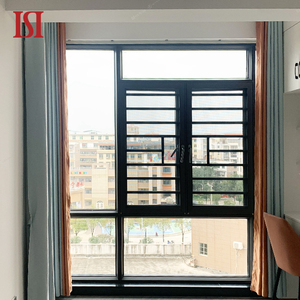 AS2047 Certified
- Low-E Argon Insulated Glazing
- Multi-Angle Natural Ventilation Louvers
- Integrated Insect/Security Screen
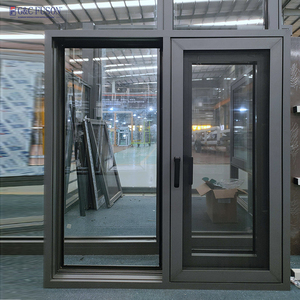 U-Value ≤ 1.4 W/m²K
- PA66 GF25 Polyamide Thermal Strut
- Multi-Cavity Acoustic Dampening Frame
- Triple Weather-Stripping EPDM Seals
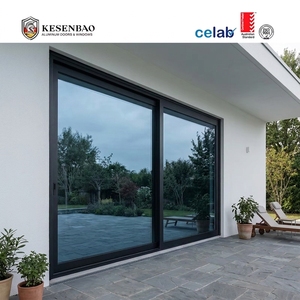 Heavy-Duty 400kg Track
- Reflective Solar Control Tempered Units
- Stainless Steel Heavy Bogie Rollers
- Flush-Mount Concealed Drainage Sill
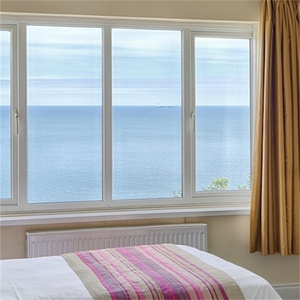 Multi-Point Anti-Theft
- Anti-Pry Interlocking Stile System
- Acoustic Laminated Safety Glass
- Corrosion-Resistant Powder Coat
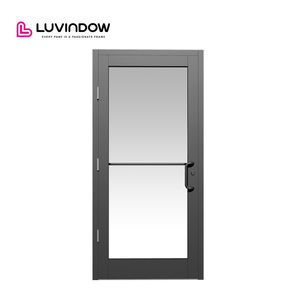 Impact Resistant
- ASTM E1886/E1996 Missile Impact Standard
- Reinforced Structural Mullions
- Commercial High-Cycle Continuous Hinges
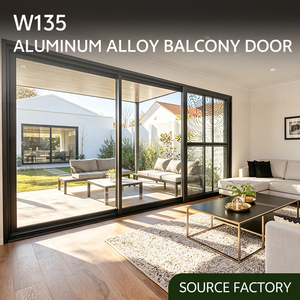 NFRC Certified
- German Mechanism Lift-and-Slide Drive
- Effortless Operation for Panels up to 450kg
- Hermetic Perimetric Compression Gasket
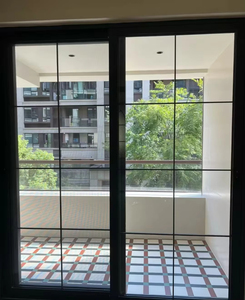 Acoustic STC 42dB
- Slim Profile Visual Sightlines (Minimalist)
- High-Density Internal Core Absorption
- Realistic Natural Oak/Walnut Timber Finish
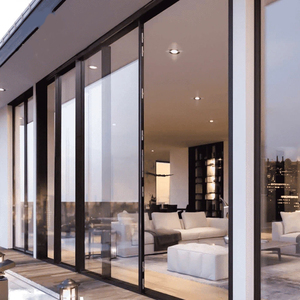 Custom Project Spec
- Architectural Custom Tailored Sizing
- Dual Thermal Isolation Chambers
- Zero-Threshold ADA Accessible Bottom Track
Engineering White Paper: Material Science of Wood Finish Aluminum
A comprehensive analysis of how primary 6063-T5/T6 alloy combined with 3D sublimation technology surpasses real wood and standard composite systems in architectural envelopes.
In high-end architectural engineering, natural timber has long been revered for its organic tactile warmth and biophilic aesthetics. However, natural solid timber deployed on exterior building envelopes presents persistent liabilities: dimensional instability stemming from hygroscopic expansion, anisotropic warpage under radiant heat, susceptibility to fungal rot, microbial infestation, and the onerous cycle of recurrent chemical staining and varnishing. For luxury residential estates, coastal villas in Dubai or Miami, and commercial developments across Europe and Oceania, architects and structural engineers are increasingly mandating aluminum wood finish door systems.
Guangdong Dejiyoupin Doors and Windows Co., Ltd. (DERCHI) leads this metallurgical and polymer finish evolution. By utilizing ultra-pure primary aluminum ingots extruded into structural 6063-T5 and 6063-T6 profiles with nominal wall thicknesses reaching 2.0mm to 3.5mm, our systems provide structural yield strengths exceeding 160 MPa. The integration of Italian Decoral 3D vacuum heat-transfer sublimation bonds specialized thermosetting polyurethane powder matrices deep into the aluminum substrate. Under calibrated temperature controls exceeding 200°C, synthetic ink pigments undergo phase transitions directly into gas, permeating the polymer pores before re-solidifying.
Unlike superficial vinyl veneers or PVC laminations that degrade, delaminate, and bubble when subjected to cyclical UV radiation and coastal salt fog, DERCHI's sublimated wood finish profiles achieve absolute molecular adhesion. They resist standard cross-hatch adhesion failures (ASTM D3359 Class 5B), survive 3,000+ hours of accelerated QUV ultraviolet exposure tests with Delta E color shifts below 2.0, and withstand ASTM B117 salt spray corrosion cycles exceeding 2,500 hours without surface pitting or finish creepage.
Vacuum Sublimation Matrix
High-temperature vacuum membranes pull precision-printed photographic wood-grain film uniformly across complex profile contours, fluting, and interlocks without grain distortion or edge peel.
PA66 GF25 Polyamide Core
Thermal barrier struts reinforced with 25% chopped glass fiber counteract the high thermal conductivity of aluminum, completely isolating interior ambient climate from exterior radiant heat or cold.
Qualicoat Class 2 Chemistry
Superdurable polyester resin matrices formulated with high-performance inorganic ceramic pigments resist intense solar radiation, preventing chalking, fading, and micro-cracking in harsh environments.
Performance Benchmark: Aluminum Wood Finish vs. Alternatives
An objective comparative evaluation detailing structural, acoustic, thermal, and lifecycle parameters across major architectural entrance and fenestration materials.
| Performance Characteristic | DERCHI Sublimated Wood Aluminum | Solid Natural Timber (Teak/Oak) | Standard Vinyl/PVC Wood Grain | Clad Wood (Wood Core / Metal Skin) |
|---|---|---|---|---|
| Structural Longevity & Rigidity | 40+ Years; Zero structural deflection, warpage, or seasonal dimensional variation. | 15-25 Years; Subject to checking, bowing, swelling, and joint rot over time. | 10-15 Years; Low modulus of elasticity, susceptible to sagging under heavy spans. | 20-30 Years; Risk of internal core rot if envelope seals experience micro-failure. |
| Maintenance & Refinishing | Zero maintenance; Periodic neutral water wash cleans surface effortlessly. | High; Mandatory sanding, chemical staining, and sealing every 18 to 24 months. | Moderate; Cannot be repaired once scratched; surfaces tend to attract static dust. | Moderate; Interior real timber requires periodic conditioning and UV protection. |
| Thermal Insulation (System Uw) | Uw 0.9 - 1.4 W/m²K with multi-chamber PA66 insulation cores. | Uw 1.3 - 1.8 W/m²K (natural low conductivity, but prone to seal gaps). | Uw 1.4 - 2.0 W/m²K (good bulk insulation, poor long-term corner seal integrity). | Uw 1.1 - 1.5 W/m²K (balanced thermal core, but heavy dead-load profiles). |
| Fire & Combustion Rating | Non-Combustible (Class A/UL94 V-0) core structural extrusion. | Combustible; Spreads flame; requires recurring intumescent chemical treatments. | Self-extinguishing but releases toxic organohalogen gases when heated. | Class B/C rating; Core combustible if exterior aluminum casing breaches. |
| Acoustic Isolation (Rw/STC) | STC 38 - 44 dB with multi-layer acoustic laminated glazing & EPDM. | STC 32 - 36 dB (limited by frame thickness and joint sealing mechanics). | STC 28 - 34 dB (low mechanical mass limits attenuation of low-frequency sound). | STC 36 - 40 dB (effective density, but constrained by hardware tolerances). |
Global Procurement & Product Evolution Trends (2025–2030)
Key developments shaping the specification of architectural doors for high-volume developers, commercial contractors, and facade consultants worldwide.
As international energy efficiency standards tighten—driven by the EU Energy Performance of Buildings Directive (EPBD), US Title 24, and Middle Eastern Estidama / Mostadam frameworks—fenestration procurement is undergoing a paradigm shift. Specifiers no longer procure door units merely as decorative physical barriers; they evaluate them as integrated, thermally responsive envelope components that dictate the building's overall carbon emissions and operational HVAC expenditures.
In the domain of aluminum wood finish door manufacturing, four major procurement trends have emerged:
Low-Carbon Recycled Aluminum
Institutional tenders across Europe, North America, and Australasia now mandate verified Environmental Product Declarations (EPD). Modern production utilizes hydroelectricity-smelted primary billets and post-industrial recycled scrap, reducing embedded carbon below 4.0 kg CO2e per kg of alloy.
Massive Scale & Pivot Formats
High-net-worth residential architecture demands monumental portals up to 6 meters in height and 3 meters in width. These systems require internal concealed steel tension-rods, aerospace-grade pivot bearings, and balanced hydraulic bottom dampers that permit fingertip operation of 500kg panels.
Smart Biometric & Access Integration
Modern entry doors eliminate mechanical keyholes in favor of handle-concealed capacitive 3D fingerprint sensors, 3D facial recognition infrared scanners, RFID transponders, and motor-driven multipoint magnetic latching systems integrated into Crestron, Control4, and KNX home automation networks.
Guangdong Dejiyoupin Doors & Windows (DERCHI)
Foshan's premier manufacturing powerhouse: 25+ years of specialized engineering, 180,000 square meters of production infrastructure, and dedicated global export logistics.
Headquartered in Foshan, Guangdong—the world’s undisputed epicenter of high-end aluminum extrusion and fenestration engineering—Guangdong Dejiyoupin Doors and Windows Co., Ltd. (DERCHI) is officially recognized among the Top 10 High-End Door & Window Brands in China. Our operational infrastructure spans an expansive 180,000-square-meter modern manufacturing park, staffed by over 600 skilled technicians, CNC operators, structural engineers, and QA/QC inspectors.
Our comprehensive production facility incorporates end-to-end manufacturing workflows under one roof: from precision mold extrusion dies, 5-axis German CNC milling centers, and fully automated horizontal powder coating and wood-grain vacuum sublimation lines, to dual-component automated silicone glass structural bonding and pre-assembly testing rigs. This extreme level of vertical integration eliminates third-party outsourcing markups, compresses production lead times, and guarantees tight adherence to dimensional tolerances within ±0.5mm across complex architectural orders.
DERCHI's systems hold rigorous global third-party testing credentials, including Australian AS2047 and AS1288 (passing N6 cyclonic wind load and water penetration resistance), European CE / EN 14351-1, North American NFRC thermal efficiency compliance, ISO 9001 quality management certification, and UL fire-resistance classifications. Whether supplying ultra-luxury private villas across the United Arab Emirates, Saudi Arabia, and Qatar, high-density residential towers in Sydney and Melbourne, or commercial storefront developments throughout North America, DERCHI provides turn-key shop drawings (AutoCAD & BIM Revit), complete engineering submittal packages, and factory-direct pricing backed by an industry-leading 10-year systemic warranty.
Comprehensive Procurement & Engineering FAQ
In-depth answers addressing structural specifications, surface finish chemistry, international logistics, testing reports, and custom OEM/ODM parameters.
How does sublimated wood finish aluminum resist extreme outdoor weathering compared to traditional foil laminates?
What alloy compositions, extrusions, and profile wall thicknesses are standard for your door systems?
Can DERCHI engineer custom wood textures, rare timber species, and proprietary color matches?
What international testing certifications and compliance documentation can you provide for project approvals?
- Australia / New Zealand: AS2047 (Windows and External Glazed Doors in buildings) & AS1288 (Glass in buildings) via certified test laboratories.
- Europe: CE marking under EN 14351-1, RoHS compliance, and Qualicoat powder coating standards.
- North America: NFRC (National Fenestration Rating Council) thermal and U-factor simulation reports, ASTM E1886/E1996 hurricane impact test data.
- Quality Management: ISO 9001:2015, ISO 14001, and factory audit documentation.
What are your factory lead times, sample policies, and Minimum Order Quantities (MOQ)?
- Sample Policy: Corner structural cutaways (300x300mm) showing profiles, glass build-up, thermal breaks, and wood finish textures are delivered globally within 5 to 7 days via DHL/FedEx.
- MOQ: We support custom bespoke orders starting from 1 complete set for private villas, up to multi-thousand square meter project packages.
- Production Lead Time: Standard architectural systems ship within 25 to 35 business days following CAD shop drawing and finish sample approval. Custom extrusion dies require an additional 10 to 12 days for tooling and validation.