Top China Aluminum Replacement Windows Factory & Exporter

Engineered Fenestration Systems, Precision Thermal-Break Metallurgy, and Global Code-Certified Commercial & Residential Architectural Solutions

Engineered Fenestration Systems

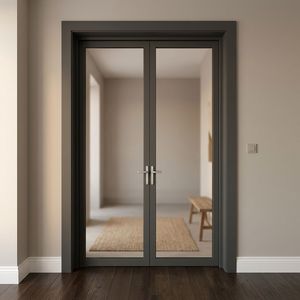
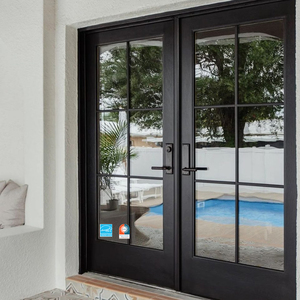
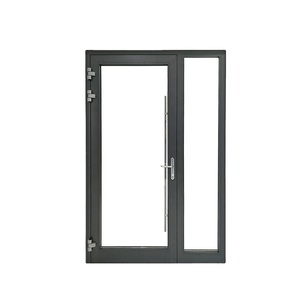
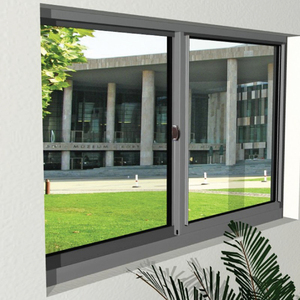
Featured Architectural Aluminum Replacement Windows

Direct factory configurations rated for severe structural wind loads, extreme air/water infiltration control, and deep acoustic dampening.

Enterprise Manufacturing Foundation

Global Fenestration Engineering & Export Infrastructure

Operating from Foshan, Guangdong—the epicentre of high-grade extrusion and structural glass innovation—DERCHI delivers full end-to-end processing across massive international residential and commercial retrofit contracts.

180,000㎡
Intelligent Production Facility
25+
Years Architectural Mastery
100+
Patents & Lab Certifications
600+
Master Technicians & Engineers

High-Yield Billet Metallurgy

We work exclusively with primary 6063-T5 and 6060 architectural billets. Our computer-calibrated structural wall profiles (ranging from 1.6mm up to 3.0mm) consistently exceed ASTM standard requirements, eliminating torsional flex under severe cyclic wind loads.

Thermal Decoupling Systems

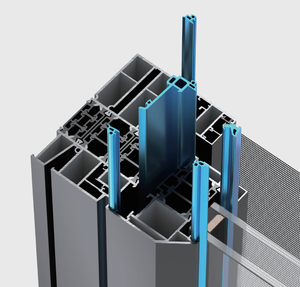
Equipped with automated strip-insertion assemblies, our systems utilize German-engineered Technoform polyamide PA66 glass-fiber-reinforced thermal barriers, reducing building fenestration U-values down to ≤ 1.3 W/m²·K.

Surface Coating Protection

Our electrostatic powder coating and fluoropolymer (PVDF) lines are certified to AAMA 2604/2605. Engineered to survive 3,000 hours of continuous salt-spray testing, our finishes are built to handle Gulf UV, coastal humidity, and oceanfront climates.

Bespoke Structural Customization

Every commercial and residential retrofit presents distinct site realities. Our in-house drafting and facade engineering teams supply comprehensive shop-level CAD submittal drawings and customized architectural anchoring packages within 24 hours.

Data-Driven Verification

Engineering Performance Benchmarks by Window Category

Quantitative laboratory parameters evaluated under independent ASTM, NFRC, and AS2047 test protocols.

Fenestration Topology Structural Profile System Standard Glazing Package Thermal Metric (U-Factor) Acoustic Cutoff (STC) Primary Retrofit Application
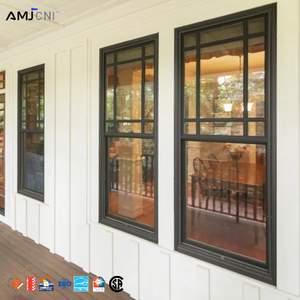
Vertical Double-Hung Sliding 6063-T5 / 1.8mm Wall / Thermal Decoupled 6mm Low-E + 12Ar + 6mm Clear Tempered 0.28 – 0.32 BTU/hr·ft²·°F STC 34 – 38 dB Heritage, Multi-Family Residential, Historic Revivals
Outward Architectural Casement 6063-T6 / 2.0mm Heavy-Duty / Multi-Chamber 8mm High Performance Low-E + 16Ar + 8mm 0.22 – 0.26 BTU/hr·ft²·°F STC 38 – 42 dB Coastal Villas, High-Exposure Commercial Projects
Hurricane Impact Sliding Reinforced 2.5mm Structural Alloy Frame 6mm HS + 1.52 SentryGlas + 6mm HS Laminated 0.30 – 0.34 BTU/hr·ft²·°F STC 40 – 44 dB Coastal Wind-Borne Debris Regions (HVHZ)
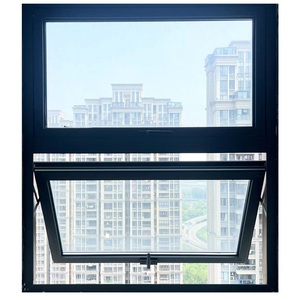
Horizontal Pivot & Awning 6060-T5 / 1.6mm SlimSight Matrix 5mm Low-E + 9Ar + 5mm Dual Sealed 0.26 – 0.30 BTU/hr·ft²·°F STC 32 – 36 dB Modern Commercial Ribbon Windows, Ribbon Facades
Strategic Sourcing Intelligence

Global Procurement & Technological Trends in Aluminum Fenestration

Forward-looking insights for real estate developers, building contractors, and wholesale building material importers navigating the next decade of decarbonization and envelope efficiency.

1. Low-Carbon Aluminum Metallurgies

Global ESG mandates and European CBAM (Carbon Border Adjustment Mechanism) policies are accelerating the demand for low-carbon certified extrusion billets. Tier-1 manufacturers are replacing fossil-fueled smelter feedstocks with hydropower-derived or high-ratio post-consumer recycled aluminum. This shift cuts embodied carbon metrics from an industry baseline of ~16 tons CO₂/ton aluminum down to ≤ 4.0 tons CO₂/ton, ensuring ongoing compliance with progressive green building codes.

2. Next-Gen Vacuum Insulated Glazing (VIG)

While traditional triple-pane insulating glass units (IGUs) improve center-of-glass performance, their physical weight places immense mechanical strain on replacement window hardware and mullions. The industry is transitioning toward hybrid VIG solutions. By introducing a 0.15mm vacuum micro-cavity between glass plies, modern replacement frames deliver center-of-glass U-factors below 0.60 W/m²·K (R-10 equivalent) in a slim, lightweight form factor that simplifies residential retrofitting.

3. Direct-to-Factory Digital Sourcing

Cross-border fenestration procurement has shifted decisively away from multi-tiered brokerage chains toward direct factory engineering partnerships. Building developers and commercial glazing contractors now leverage cloud-based BIM coordination, automated shop drawings, and live optical assembly inspections. By working directly with factory engineers, overseas buyers minimize project risks, eliminate unnecessary distributor markups, and achieve full transparency on code compliance.

Clear Technical Guidance

Frequently Asked Sourcing & Engineering Questions

Key technical insights addressing structural wind compliance, thermal design, and international logistics for overseas aluminum window procurement.

How does an engineered aluminum replacement window differ from vinyl (PVC) or wood?
Structural aluminum alloys (6063-T5) offer a modulus of elasticity approximately 23 times higher than unplasticized PVC. This allows for ultra-slim, architecturally refined sightlines with significantly broader glass apertures that will not warp, sag, or degrade under direct thermal loading. Unlike timber, precision powder-coated aluminum does not require continuous protective repainting and is completely immune to rotting, insect attack, and moisture absorption. When engineered with modern polyamide thermal breaks, aluminum matching systems match or exceed the U-values of high-end wood windows while delivering unmatched structural durability.
What specific engineering provisions prevent internal condensation in cold climates?
Internal condensation occurs when internal surface temperatures drop below the dew point of room air. Our systems use multi-chambered, glass-reinforced polyamide PA66 thermal barriers that mechanically isolate the exterior frame from the interior interior. Combined with warm-edge composite spacers, dual-sealed silicone barriers, and continuous EPDM perimeter gaskets, the internal frame maintains stable temperatures under sub-zero external conditions, effectively preventing surface condensation and mold buildup.
What code certifications are available for North American and Australasian markets?
Our replacement systems are fully tested and compliant with major regional performance standards, including NFRC thermal performance ratings (U-factor, SHGC, VT) and AAMA/WDMA/CSA 101/I.S.2/A440 for structural loads and water resistance in North America. For Australian and New Zealand projects, our configurations are certified under AS 2047 and AS 1288, and our production facilities maintain active ISO 9001 and CE factory-control accreditations. Full engineering reports and third-party lab documentation are provided with project submittals.
How do you ensure safe, damage-free container transport during ocean freight?
Export shipments are secured using multi-layer protective packaging: frames are wrapped in peel-off protective masking film, corners are shielded with high-density EPE foam buffers, and units are placed in fully enclosed, fumigated wooden crates or steel transport racks. Crates are blocked, strapped, and balanced within sea containers to prevent shifting during transit. Every shipment is covered by comprehensive marine transit insurance and monitored via detailed loading reports and pre-departure photography.
What documentation and technical inputs are needed to receive a binding quotation?
To prepare a comprehensive quotation and shop-drawing submittal, our engineering office typically requests: an architectural window schedule or rough opening dimensions, target thermal metrics (U-factor and SHGC), structural wind-load requirements, preferred glass specifications (e.g., impact laminates or Low-E double glazing), surface finish specifications (AAMA powder coat or PVDF with RAL code), and the destination port. Initial engineering reviews and detailed cost estimates are delivered within 24 business hours.

Advance Your Next Building Envelope Sourcing Project

Connect directly with our engineering department in Foshan. From complex structural calculations and custom profile extrusions to certified international export logistics, we provide direct-to-factory solutions tailored to your project schedule.