High-Performance Architectural Entrances & Security Systems
Explore our certified series of aluminum security mesh doors, heavy-duty cyclone-rated patio systems, and custom jali-lattice profiles crafted for luxury hospitality, coastal retreats, and gated residential sectors.
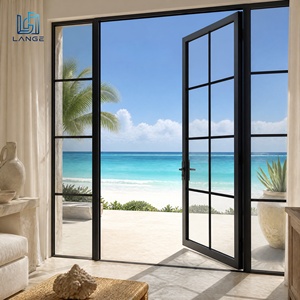
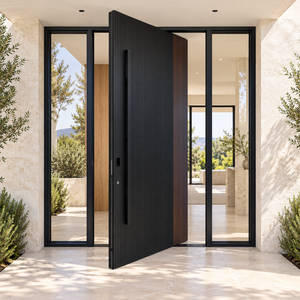
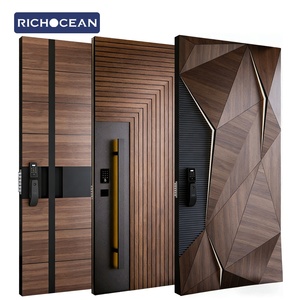
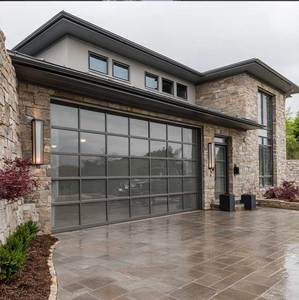
Technical Evolution of Architectural Aluminum Jali Doors: Beyond Decorative Screening
The contemporary aluminum jali door represents a sophisticated engineering convergence of classical geometric security screens (jali/mashrabiya motifs) and ultra-modern fenestration technology. Historically deployed as timber or wrought iron security barriers across the Middle East, South Asia, and the Mediterranean, traditional screening solutions exhibited severe vulnerabilities: organic rotting, extreme solar warping, structural weight penalties, and chronic oxidation in saline atmospheres.
As a Tier-1 China manufacturer operating from Foshan's premier architectural extrusion hub, we have systematically re-engineered the jali aperture. By deploying 6063-T5 and 6063-T6 virgin aerospace-grade aluminum billets, multiaxis precision CNC fretwork, high-pressure die-cast lattices, and Marine-Grade 316 Stainless Steel security mesh (0.8mm–1.0mm wire gauge), our factory fabrications eliminate thermal bridging and corrosion failure modes. These integrated systems serve triple functions: structural anti-intruder fortification, passive thermal regulation through calibrated solar shadowing, and uninterrupted natural cross-ventilation.
Structural Metallurgy & Security Performance Metrics
Direct comparison of architectural framing profiles, insect/intruder screen integration, and finishing technologies utilized in our OEM/ODM export lines.
| System Attribute | Commercial Grade (Bespoke Projects) | Severe Weather / Hurricane Impact | High-Security Residential Spec |
|---|---|---|---|
| Alloy Composition | 6063-T5 Extruded Architectural Alloy | 6060-T6 or 6005A Heavy Structural Ingot | Cast Aluminum + 6063-T6 Multi-Cavity |
| Frame Wall Thickness | 2.0mm – 2.5mm Profiles | 3.0mm – 4.0mm Reinforced Stile/Rail | 2.5mm Outer Shell with Solid Core Infill |
| Jali Screen Infill | CNC Laser Cut Plate (4mm–8mm Plate) | Reinforced Interlocking Aluminum Louver/Grille | 3D Cast Plate / Heavy Pierced Lattice |
| Mesh Interlock System | 0.8mm 304 High-Tensile Marine Mesh | 1.0mm 316 Marine Grade Heavy Wire | Dual-Skin: Security Cast + Microfly Barrier |
| Surface Metallurgy | AkzoNobel Interpon Powder Coating (60–80μm) | Fluorocarbon PVDF 3-Coat System (≥40μm) | Italian Sublimation Anodized / PVDF Woodgrain |
| Locking Integration | European Standard Multi-Point Mortise | Multi-Point Hook Bolt + Panic Bar Integration | Biometric Fingerprint + Motorized Multi-Throw |
Future Procurement Trends in Architectural Screen Doors
Crucial market trajectories guiding procurement directors, quantity surveyors, facade consultants, and commercial real estate developers for 2025–2030 building cycles.
1. Polyamide Thermal Break Integration
Global energy regulations (including UAE Estidama, Saudi SBC, EU Energy Performance of Buildings Directive, and US ASHRAE 90.1) are pushing the adoption of multi-cavity PA66 GF25 thermal breaks inside security jali profiles. Historically uninsulated, next-generation jali doors now incorporate isolated thermal pathways to suppress thermal conduction in extreme environments reaching 50°C summer ambients.
2. Invisible High-Tensile Security (316 Mesh)
Bulky wrought-iron bars are being decommissioned in favor of architectural flush-glazed stainless steel mesh interlocked mechanically into aluminum extrusion cavities. Passing stringent AS 5039/5041 knife-shear and dynamic impact testing, these systems offer uninhibited panoramic visibility without compromising anti-burglary deterrence or emergency egress compliance.
3. Industrial Prefabrication & Direct Modular Glazing
Commercial builders are mitigating volatile onsite labor costs by purchasing turnkey, pre-hung cassette units directly from specialized Chinese industrial clusters. Modern doors feature factory-hung leaf structures, pre-calibrated heavy-duty pivot hinges, dry-glazed EPDM weatherstripping gaskets, and integrated smart sensors configured straight off the production line.
Technological Innovations in Aluminum Jali Fabrication
How leading factories in China are redefining high-end residential entrances, commercial facades, and luxury estate enclosures.
Hyper-Durability PVDF & Anodizing
Deploying 70% Kynar 500 PVDF resins and 25μm deep-pore hard anodizing capable of withstanding 4,000+ hours of continuous neutral salt-spray (ASTM B117) without film blistering, flaking, or chalking under harsh desert and coastal humidity.
Parametric Multi-Axis CNC Milling
Moving beyond repetitive punched patterns, multi-axis laser centers machine algorithmic Islamic geometric motifs, organic bionic screens, and contemporary kinetic textures straight from architect CAD vector blocks with zero structural burring.
Smart Access & Active Security
Seamless concealed integration of digital access controls, German-designed motorized multipoint locking units, high-resolution visual intercoms, and biometric sensors completely protected inside weather-sealed aluminum structural cavities.
Oversized Structural Pivot Engineering
Developing floor-bearing heavy concealed pivot bearings engineered to support monumental leaves up to 4 meters high and 800 kilograms in leaf mass with hydraulic soft-closing dampers, zero sag, and effortless fingertip actuation.
Why Tier-1 Contractors & Developers Partner With DERCHI
Engineered by Guangdong Dejiyoupin Doors and Windows Co., Ltd. (DERCHI) — delivering verified production scale, stringent ISO testing, and global export infrastructure.

180,000㎡ Mega Production Base
State-of-the-art manufacturing campus in Foshan, Guangdong featuring closed-loop aluminum smelting, profile extrusion, automated precision machining, powder coating, and full-scale test mockups.
International Testing & Strict Compliance
Products engineered, tested, and certified to rigorous international codes: CE, ISO 9001, AS 2047 (Australian N6 cyclonic standard), UL Fire-Rated compliance, and over 30 utility patents.
In-House Facade & Door Engineering Office
A dedicated technical division delivering complimentary CAD shop drawings, structural static wind calculations, BIM modeling, and anchor scheduling for hassle-free engineering submittals.
Direct GCC, North American & Oceanic Project Pedigree
Over two decades of established delivery track records throughout the United States, Canada, Australia, the Philippines, Saudi Arabia, the UAE, Qatar, and Kuwait with comprehensive turnkey crating.
Frequently Asked Questions on Aluminum Jali Door Procurement
Comprehensive operational, technical, and logistical clarity for overseas procurement officers, builders, and project architects.
What structural grade of aluminum should be specified for high-wind or coastal jali doors? +
How do aluminum jali doors integrate security mesh without visible fasteners? +
Can custom geometric patterns (Arabesque, contemporary minimalist, lattice) be manufactured directly from client CAD files? +
What are the lead times and packaging precautions for containerized sea freight? +
How do aluminum jali doors compare in lifecycle cost with ornamental wrought iron or solid wood? +
Accelerate Your Door Sourcing With Direct China Factory Pricing
Consult with our senior fenestration engineers to obtain customized CAD drawings, static impact assessments, and factory-direct project estimates tailored to your project schedule.
Send an Inquiry