Engineering Precision in Aluminum French & Double Swing Systems
Modern architectural envelopes require fenestration systems that balance exceptional thermal resistance, structural load capacity under dynamic wind pressures, and flawless mechanical cycle life. China has evolved from a mass-assembly hub into the global epicenter of precision aluminum extrusion, advanced automated CNC milling, and high-performance architectural door manufacturing. Sourcing heavy-duty aluminum double swing doors (often termed architectural French doors or hinged double doors) requires a deep technical understanding of alloy metallurgy, thermal breaks, European multi-point locking mechanisms, and certified weather-sealing standards.
Factory-Engineered Fenestration & Door Assemblies
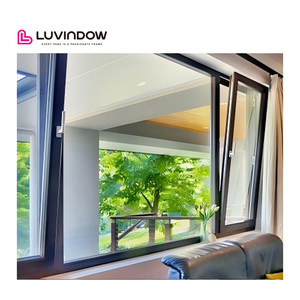
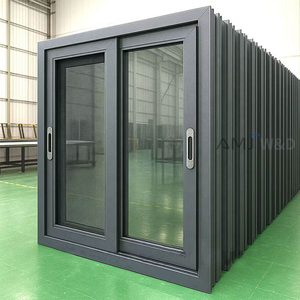
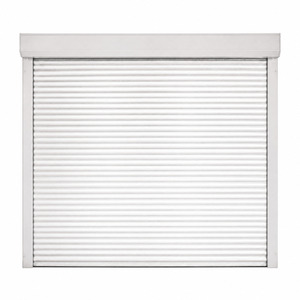
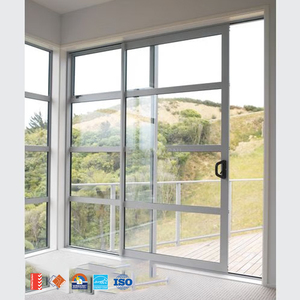
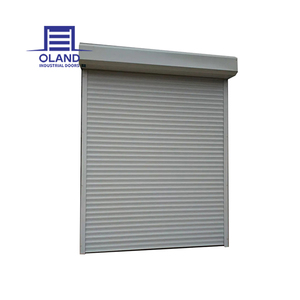
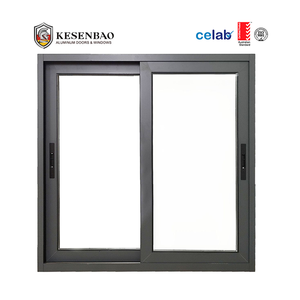
Explore precision-machined thermal break double swing systems, casement arrays, hurricane impact sliders, and industrial roller enclosures built to North American NFRC and European CE benchmarks.
Guangdong Dejiyoupin Doors and Windows Co., Ltd. (DERCHI)
Recognized as an authoritative powerhouse among China's premier door and window fabricators, DERCHI operates out of Foshan, Guangdong—the epicentre of high-grade architectural aluminum processing.
Stringent Multi-Standard QA
DERCHI systems are tested to rigorous international standards, including CE (EN 14351-1), ISO 9001 quality management protocols, North American NFRC thermal metrics, and Australian AS 2047 cyclonic and air-infiltration thresholds (passing up to N6 tier).
High-Precision CNC Profiling
Aluminum profiles are extruded from pure 6063-T6 or 6061-T6 architectural billets. Multi-axis CNC milling centers guarantee microscopic corner crimping precision (tolerances <0.1mm), preventing thermal break shear failures in oversized double leaves.
Full Turnkey Customization
From complex astragal designs on French double swing doors to heavy-duty concealed German pivot and hinge configurations, our in-house engineering team provides full shop drawings, BIM families, structural deflection calculations, and custom thermal analysis.
Anatomy of Heavy-Duty Aluminum Double Swing Doors
When sourcing double swing doors from top China manufacturers, understanding profile metallurgy, thermal insulation technology, and hardware integration prevents structural failures on coastal and high-exposure jobsites.
Aluminum double swing doors (frequently specified as French doors, double casement doors, or double-leaf hinged entry doors) represent one of the most mechanically demanding elements in the architectural building envelope. Unlike fixed curtain walls or sliding patio systems where dynamic weights are continuously distributed along a continuous floor track, double swing doors bear substantial gravitational, operational, and wind shear forces at specific hinge attachment points and the central meeting stile (astragal).
In high-end commercial entries and luxury residential villas, sashes commonly exceed heights of 3,000mm and widths of 1,200mm per leaf, resulting in individual insulated glass units weighing upwards of 160kg to 220kg. For top Chinese factories such as DERCHI, overcoming deflection, sagging, and perimeter air leakage requires a holistic engineering approach:
| Engineering Parameter | Standard Market Specification | DERCHI High-Performance Industrial Tier | Architectural Performance Gain |
|---|---|---|---|
| Alloy Grade & Temper | Recycled Aluminum / 6063-T5 (1.4mm - 1.6mm) | Primary Billet 6063-T6 or 6061-T6 (2.0mm - 3.0mm Wall Thickness) | Eliminates door leaf sagging, ensures anchor stability under repetitive 200,000+ cycle testing. |
| Thermal Barrier System | Standard PVC Strips or Low-Depth Polyamide (14.8mm) | Polyamide PA66 GF25 Reinforced (24mm - 34mm Multi-Chamber Core) | Reduces whole-door U-values down to Uw ≤ 1.2 W/m²·K; prevents condensation in extreme climates. |
| Central Meeting Stile (Astragal) | Single-Lip Gasket with Surface Latch | Interlocking Heavy-Duty Astragal with Dual Vulcanized EPDM Gaskets & Concealed Shoot Bolts | Class 4 Air Permeability (EN 12207); Water Tightness Class E900 (EN 12208); prevents wind blow-through. |
| Corner Joint Architecture | Manual Screw Connection or Simple Stake | Cast Aluminum Corner Cleats + Pneumatic Crimping + 2-Component Epoxy Injection | Creates monolithic, leak-proof structural joints capable of sustaining severe torsional wind pressure. |
| Glazing Pocket Compatibility | Standard 24mm Double Glazing | Up to 52mm Triple-Pane Insulated Glazing Units with Warm Edge Spacers & Argon Fill | Acoustic attenuation up to Rw 42 dB; Solar Heat Gain Coefficient (SHGC) precisely tailored to regional climate. |
| Perimeter Gasketing | Standard TPE or Neoprene | Automated Continuous Co-extruded EPDM with Vulcanized Molded Corners | Resists UV degradation, ozone cracking, and thermal shrinkage between -40°C and +120°C. |
Structural Astragal Integration & Wind Load Distribution
The Achilles' heel of any double swing door is the junction where the primary (active) and secondary (passive) leaves converge. Without a rigid structural intermediate mullion, the meeting stiles must act as an interlocking vertical column. Premium China manufacturing utilizes custom-extruded aluminum astragals reinforced with internal stainless steel reinforcement sleeves.
When exposed to positive or negative dynamic wind pressures (such as coastal typhoon gusts reaching 3,500 Pa), the passive sash is locked into the head frame and sill via heavy-duty concealed shoot bolts (top and bottom), transferring loads directly into the building's rough opening. Multi-point locking pins on the active sash engage at 5 to 7 distributed points along the vertical height, compressing the multi-chamber EPDM seals uniformly to prevent localized whistling and water intrusion.
Future Procurement Trends for Aluminum Swing Systems (2025–2030)
International contractors, developers, and facade consultants are adjusting their sourcing criteria to reflect green building mandates, smart access security, and full-chain verification.
Embodied Carbon & Low-Carbon Smelting
Institutional developers across Europe, North America, and Australia now mandate Environmental Product Declarations (EPD) for architectural aluminum. Chinese Tier-1 suppliers are transitioning rapidly to low-carbon aluminum produced via hydropower in regions like Yunnan and Sichuan, delivering extrusions with carbon footprints below 4.0 kg CO2e per kg of primary metal.
Direct-to-Factory BIM Digital Integration
The era of paper schedules and manual CAD drafting has ended. Modern fenestration procurement integrates Autodesk Revit and Archicad BIM models directly into factory CAM machines. Automated CNC milling schedules are derived programmatically from cloud-coordinated architectural models, removing human fabrication error and shortening production cycles by up to 35%.
Smart Access & Concealed Automation
Double swing entrance doors increasingly require factory-integrated concealed overhead closers, motorized multi-point latching, and seamless integration with smart building automation (KNX, Crestron, biometric recognition). Chinese factories engineer dedicated wire-raceways through thermal break cavities, ensuring zero visual disruption while maintaining thermal insulation.
Technological Innovations Reshaping China Door Fabrication
Leading factories are replacing antiquated assembly-line manual riveting with automated German and Italian CNC machining cells, state-of-the-art surface treatments, and advanced glazing techniques.
Fluorocarbon PVDF & Marine-Grade Anodizing
For coastal villa projects in the Middle East, Caribbean, and Australia, standard polyester powder coatings degrade rapidly under intense ultraviolet radiation and high salt-spray conditions. Top Chinese manufacturers apply triple-bake PVDF fluorocarbon coatings exceeding AAMA 2605 specifications or 25-micron hard anodizing certified to Qualanod standards, guaranteeing 20+ years of color stability without chalking.
Structural Silicone Glazing (SSG) in Swing Doors
Traditional French doors utilize interior snap-in glazing beads. Revolutionary modern configurations incorporate structural glazing where the outer pane floats seamlessly across the sash frame. The glass is chemically bonded with high-modulus silicone to the internal aluminum framework, dramatically increasing torsional resistance and eliminating visible exterior frame borders for a modern, flush aesthetic.
Universal ADA-Compliant Low Thresholds
Commercial double swing entryways face strict universal accessibility mandates. China's premier factories now engineer hybrid thermally broken thresholds measuring less than 15mm in height, incorporating magnetic dropping threshold gaskets that seal hermetically only when the doors swing shut, resolving the historic conflict between water barrier height and barrier-free wheelchair transit.
Frequently Asked Questions
Essential technical and commercial considerations when specifying, auditing, and importing aluminum double swing doors from top Chinese manufacturers.
1. How do top China factories ensure aluminum double swing doors do not sag over time?
2. What is the difference between European and American hardware setups on China-made double doors?
3. How are dynamic wind loads and water tightness tested on oversized double French doors?
4. What packaging and crating protocols prevent damage during ocean transit?
5. Can custom double swing doors be integrated with automated smart home control systems?
6. What quality control steps should buyers mandate in the pre-shipment factory audit?
Partner with an Authoritative Door Manufacturer
Whether you require NFRC/CE certified thermal break double swing systems for cold-climate high-rises or heavy-duty hurricane-impact architectural doors for coastal luxury developments, DERCHI delivers precision manufacturing backed by 25+ years of fenestration excellence.