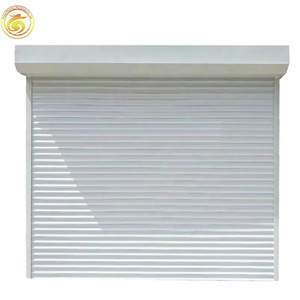
Factory-Direct Portfolio
Engineered Aluminium Roller Doors & Architectural Enclosures
Constructed from primary 6063-T5/T6 billet alloy with precision hollow dual-wall and polyurethane insulated core profiles. Complete turnkey automation certified for residential, commercial logistics, and extreme coastal storm conditions.
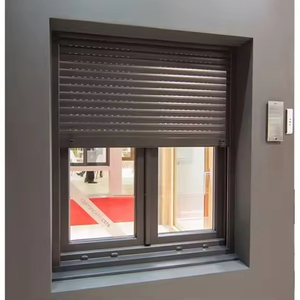
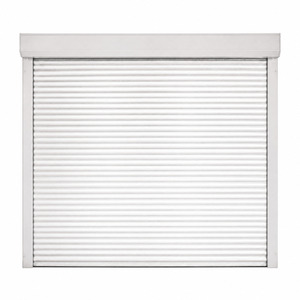
Automated Commercial
Electric Security Aluminum Alloy Roller Shutter for Villa & Hotel
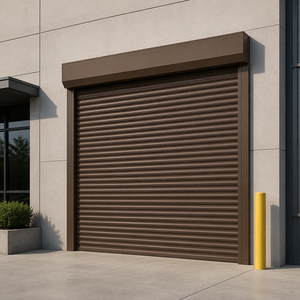
Architectural Integration
Custom Aluminum Roller Shutter Door & Window Systems Direct
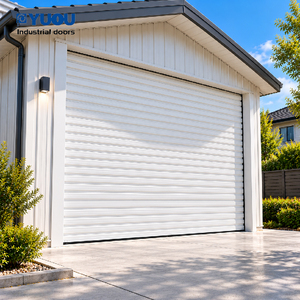
High-Speed Roll-Up
Australian Style Automatic Roll Up Garage Door Commercial
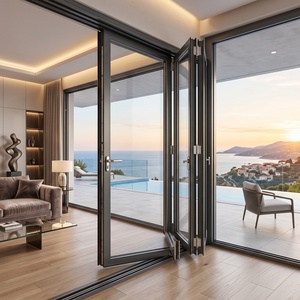
Acoustic & Glazing
Custom Soundproof Aluminum Folding Glass Enclosure Systems
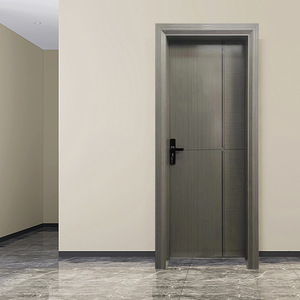
Interior Architectural
Hard-Anodized Modern Soundproof Aluminum Alloy Door Systems
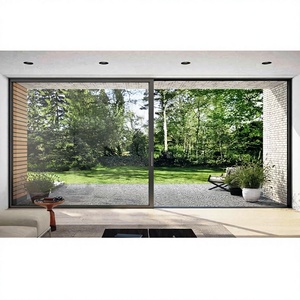
Structural Hurricane Impact
Australia Project AS2047 NFRC Hurricane Impact Aluminum Door
Manufacturing Pedigree & Factory Scale
Engineered by Guangdong Dejiyoupin Doors & Windows Co., Ltd. (DERCHI)
For cross-border commercial contractors, industrial logistics developers, and luxury real estate builders, procurement of aluminum roller doors requires deep metallurgical verification, structural engineering mastery, and unwavering production repeatability. Operating from China's primary fenestration and extrusion heartland—Foshan, Guangdong—our centralized manufacturing complex in Shenke Chuangzhi Park (Nanhai District) spans an expansive 180,000 square meters.
DERCHI is documented as one of China’s Top 10 High-End Architectural Door and Window enterprises. With more than 25 years of relentless specialization, over 600 skilled technicians, and an elite team of CAD/BIM facade engineers, we bridge the gap between custom architectural blueprints and mass-volume factory delivery. Our fully integrated production ecosystem encompasses billet melting, precision multi-ton extrusion, computerized powder coating lines, automated polyurethane injection, structural CNC milling, and robotic slat assembly.
"Factory verification is not just about scale; it is about dimensional tolerance, alloy purity, and documented test certification. We engineer every shutter curtain, barrel shaft, and guide rail to pass international scrutiny before export packaging."

180,000㎡
Dedicated Production Base
25+ Yrs
Manufacturing Authority
100+
Patents & Global Certs
600+
Skilled Facade Craftsmen
Virgin 6063-T5 Extrusion
Zero recycled scrap content ensures crystalline metallographic stability, preventing micro-fractures under cyclical wind flexion and torsional tension.
AS 2047 & CE Certified
Fully compliant with international wind-pressure, water-penetration, and acoustic barrier protocols, verified by third-party testing laboratories.
Free CAD & BIM Drafting
Our dedicated engineering department provides detailed cross-sectional shop drawings, lintel clear-opening plans, and wiring schematics within 24 hours.
Reinforced Ocean Crating
Every curtain roll and guide bundle is sealed in multi-layer shockproof PE film, corner-armored, and enclosed in fumigated steel-strapped timber crates.
Technological Whitepaper
Technical Evolution & Development Trends in Aluminium Roller Door Engineering
The global architectural landscape is shifting away from heavy, corrosive galvanized steel rolling shutters toward high-tensile, lightweight, thermally decoupled aluminum roller door assemblies. Modern commercial and residential developments demand multifunctional performance: an integrated building envelope element that provides thermal insulation, hurricane barrier resilience, perimeter burglary protection, and silent automated Building Management System (BMS) connectivity.
1. Metallurgical Formulation & Slat Wall Geometry
In standard low-cost production, manufacturers often employ secondary aluminum scrap tainted with iron and copper impurities, yielding brittle slats vulnerable to fatigue failure at the hinge bead. DERCHI specifies primary structural 6063-T5/T6 billet alloy, achieving tensile strengths exceeding 210 MPa and yield strengths over 160 MPa. The profile geometry utilizes multi-cavity interlocking ball-and-socket configurations that distribute lateral wind pressures evenly across the vertical curtain plane rather than focusing mechanical stress along single bend points.
2. Thermal Decoupling & Polyurethane Density Standards
In energy-conscious installations—such as cold-chain distribution centers, climate-controlled warehousing, or villas in extreme climate zones like the Middle East (50°C summers) or Northern Europe (sub-zero winters)—solid metal doors act as thermal bridges that drive massive HVAC energy waste. Advanced aluminum rolling doors utilize CFC-free high-density rigid polyurethane (PU) foam injection (42 to 48 kg/m³ density). This cellular core eliminates thermal bridging, achieves low U-values (down to 1.4 W/m²·K), and offers substantial acoustic dampening up to STC 26 dB.
3. Wind-Load Structural Retention: Interlocking Windlock Clashing
Under hurricane, typhoon, or intense thunderstorm wind conditions, roller curtains experience extreme negative suction that tears standard slats out of their side guide rails. State-of-the-art aluminum roller shutters incorporate heavy-gauge cast-steel or forged aluminum windlock lugs riveted to alternate slat ends. These lugs lock dynamically inside heavy-wall extruded aluminum side channels fitted with heavy EPDM neoprene brush seals, sustaining wind loads up to AS 2047 N6 ratings (wind speeds over 240 km/h).
| Performance Criterion | Commercial Galvanized Steel | DERCHI Extruded Aluminum (Hollow) | DERCHI Foam-Insulated Aluminum Slat |
|---|---|---|---|
| Alloy / Core Metallurgy | Q235 Carbon Steel Sheet (0.6 - 1.0mm) | Virgin 6063-T5 Extruded Aluminum (1.2 - 2.5mm) | 6063-T5 Dual Skin + 45 kg/m³ High-Density PU |
| Corrosion & Salt-Spray Resistance | Poor; zinc oxidizes, red rust starts 12–24 mos | Exceptional; 20-30μm anodized or PVDF fluoropolymer | Exceptional; multi-stage conversion + AkzoNobel powder |
| Deadweight & Motor Torque Strain | High (12–16 kg/m²); requires oversized motors | Low-Medium (7–9 kg/m²); minimal motor stress | Lightweight (8.5–10 kg/m²); rapid high-speed cycling |
| Thermal Conductivity (U-Value) | > 5.8 W/m²·K (Extreme thermal bridge) | ~ 4.2 W/m²·K (Radiant convection) | < 1.5 W/m²·K (True energy-saving envelope) |
| Acoustic Isolation (Noise Transmission) | STC 14 dB (Vibrates and rattles loudly) | STC 20 dB (EPDM dampening strip integration) | STC 28 dB (Absorbs street & industrial rumble) |
| Operational Decibels during Run | 75–85 dB (Loud metal screeching) | < 58 dB (Nylon guide bushes) | < 48 dB (Whisper-quiet helical side track) |
Market Intelligence & Strategic Sourcing
Future Procurement Trends in the Global Aluminium Roller Door Industry
Commercial procurement officers, facade contractors, and international distributors face rapidly evolving building codes, carbon border adjustments, and smart warehouse logistics demands. Based on global project data across North America, Australia, and the Middle East, our technical directors highlight four critical procurement shifts shaping procurement contracts over the coming five years:
Brushless DC Smart Automation
Shift from legacy AC induction motors to variable-speed 24V/36V brushless DC operators featuring integrated battery backups, soft-start/soft-stop physics, and direct RS-485 / Modbus BMS automation protocols.
Life-Cycle Costing Over Cheap FOB
Major developers prioritize 50,000-cycle torsion springs, self-lubricating sealed ball bearings, and anti-drop safety brakes over the lowest unit bid, lowering long-term facility maintenance liabilities.
Stringent Wind & Impact Certification
Insurance mandates in coastal zones (Florida Building Code HVHZ, Australian AS/NZS 4505, and Gulf Coast region wind guidelines) require independently certified engineering testing data on all imported assemblies.
Low-Carbon Green Billet Sourcing
Global architectural standards require verified Environmental Product Declarations (EPD). Hydroelectric-smelted low-carbon aluminum cuts embodied carbon footprints by up to 65% compared to coal-powered smelters.
Factory Verification
Rigorous 6-Stage Quality Control Protocol for Overseas Shipments
Managing cross-border procurement without a local presence can introduce dimensional, finish, and electronic discrepancies. At DERCHI’s Foshan production base, we mitigate risk through an uncompromising, recorded quality management system:
1. Spectrometer Alloy Verification
Every extrusion batch undergoes optical emission spectrometry to verify accurate silicon, magnesium, and aluminum ratios, strictly eliminating trace lead and iron contaminants.
2. Dry-Film Thickness & Adhesion Tests
Coating finishes (powder coat, PVDF, anodizing) undergo cross-hatch adhesion testing (ASTM D3359) and dry-film thickness gauge inspection (min. 65μm on powder coatings).
3. Complete Mock-Up Test Assembly
100% of custom oversized doors are fully hung and mounted on factory test gantries to calibrate barrel spring tensions, motor limit switches, and smooth guide alignment.
Procurement Intelligence
Frequently Asked Questions for Global Door Importers & Contractors
Clear, technically rigorous answers directly addressing engineering feasibility, installation tolerances, motor specifications, and cross-border trade logistics.
What are the key technical differences between hollow double-wall extruded aluminum and PU foam-filled slats? +
Hollow double-walled extruded slats are manufactured with internal structural webs (typically 1.2mm to 2.5mm wall thickness). They deliver superior torsional stiffness, higher anti-crowbar security ratings, and maximum resistance against physical impacts, making them ideal for high-security commercial premises, storm shutters, and wide-span warehouse bays. In contrast, roll-formed or extruded polyurethane-injected slats utilize high-density polyurethane foam (42-48 kg/m³) enclosed between aluminum skins (typically 0.4mm to 0.8mm skin thickness). While slightly lighter in point-impact resistance, foam-filled profiles deliver superior thermal insulation (R-values up to 1.8), significantly lower operating noise, and optimal energy efficiency for climate-controlled garages, sunrooms, and residential envelopes.
How does DERCHI verify hurricane wind load resistance to comply with AS 2047 and international storm codes? +
Wind-load capacity is engineered through three integrated structural factors: slat profile moment of inertia, heavy-wall extruded aluminum side guide depths (incorporating inner retention lips), and reinforced windlock clips riveted to the ends of the slats. When severe positive or negative cyclonic pressure acts against the door curtain, the windlock lugs expand outwards and lock directly behind the structural retention ribs of the guide track, physically preventing the curtain from dislodging. Our products undergo cyclic wind pressure testing simulating dynamic storm environments, complying with Australian AS 2047 N6 categories and regional Florida/Caribbean design standards exceeding 5,000 Pa wind pressures.
What motorization systems, voltages, and automation control fail-safes are supplied for export markets? +
We supply CE-marked tubular motors (for compact internal barrel installations) and external side-mount industrial drive motors configured for all international electrical standards: 110V/60Hz (North America), 220V–240V/50Hz (UK, Europe, Australia, GCC), and 380V/415V three-phase systems for high-traffic industrial logistics doors. Every motorized assembly incorporates an automatic mechanical or electric safety brake that instantaneously locks the barrel in the event of gearbox or chain failure. Additional automation features include manual hand-crank override systems for power outages, photocell safety beams, pneumatic bottom-edge bounce sensors, and dry-contact relays for connection to central Fire Alarm Control Panels (FACP) and Building Automation Systems.
How does your factory protect against salt-spray corrosion for seaside villas and coastal ports? +
For coastal and marine environments (such as sea-facing residential villas in Dubai, Miami, or Sydney), standard mill or flash-anodized finishes rapidly pit and degrade. DERCHI utilizes two high-durability surface treatment regimes: 1) Class 2 Architectural Anodizing with film thicknesses of 20–25 microns, or 2) PVDF (Polyvinylidene Fluoride) 3-coat fluoropolymer wet-spray coating using AkzoNobel or PPG resin systems, exceeding AAMA 2605 requirements. Furthermore, all assembly fasteners, roller bearings, and side windlock clips are specified in 304 or marine-grade 316 stainless steel to eliminate galvanic corrosion between dissimilar metals.
What are the clear opening tolerances and structural lintel requirements for custom-sized roller doors? +
Prior to production, our engineering drafting department provides a fully annotated CAD shop drawing for client approval. We require three site dimensions: clear daylight width (finished jamb to finished jamb), clear daylight height (finished floor to lintel soffit), and available headroom (from lintel underside to true ceiling or beam clearance). Typical aluminum roller door hoods require 300mm to 450mm of vertical headroom depending on total door travel height and slat depth. Side jamb clearances must provide a minimum of 100mm to 150mm on each side for guide channel fixing and motor installation. For zero-headroom applications, we engineer exterior face-mounted hood boxes or cantilevered bracket designs.
What documentation and certifications are provided to clear municipal building authorities and customs inspection? +
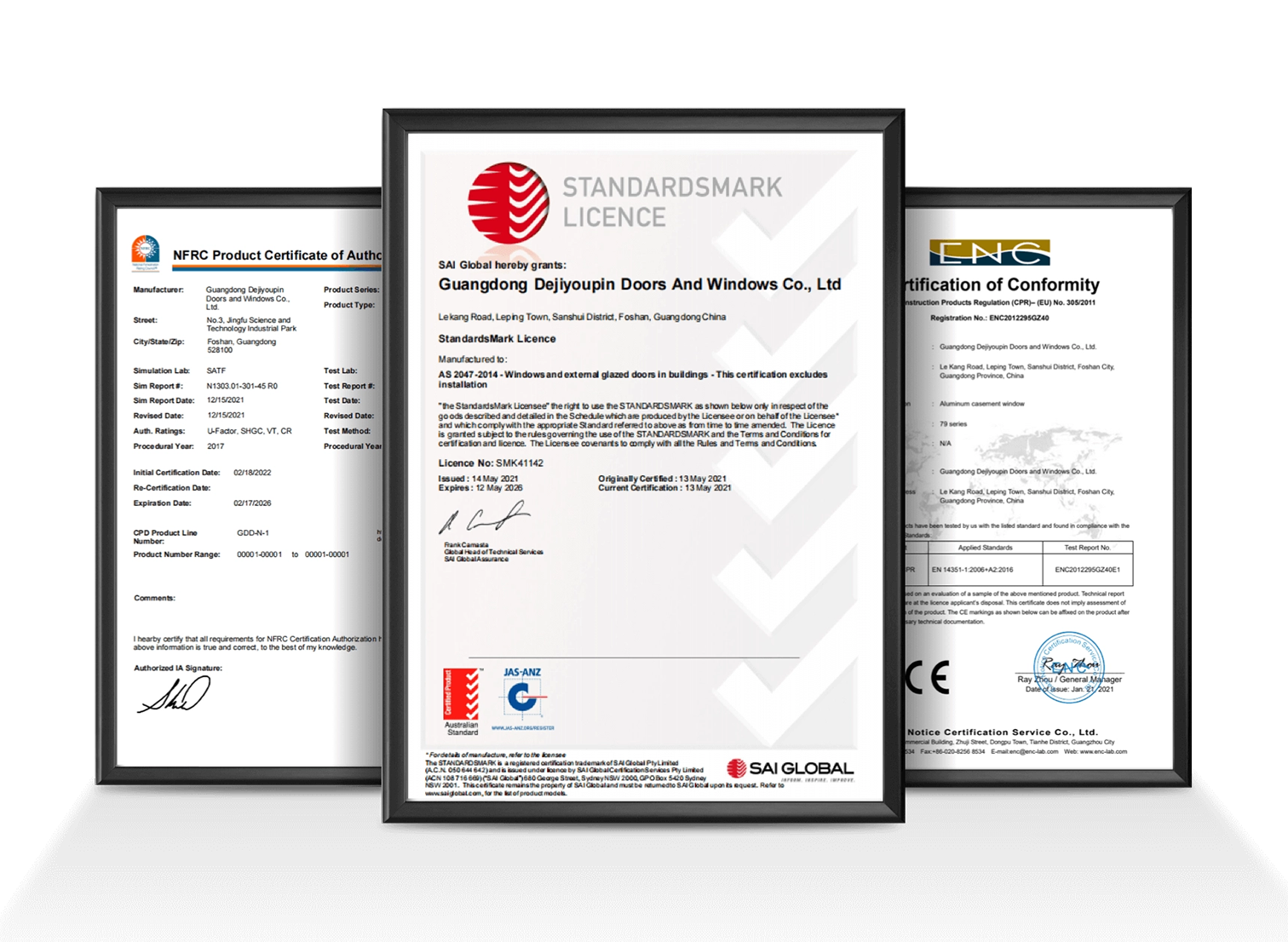
Every commercial export order is backed by full traceability paperwork: Mill Test Certificates (MTC) certifying 6063-T5 aluminum chemical composition and tensile mechanical ratings, factory CE Declaration of Conformity (DoC), ISO 9001:2015 quality audit documentation, AS 2047 test performance summaries, and electrical safety certificates for drives (CE, UL, or SAA). For port clearance, we provide compliant Commercial Invoices with correct HS codes (typically 7610.10 for aluminum doors), Certificate of Origin (CO/Form A/Form E as applicable), fumigation certificates for solid wood packing materials, and complete bill of lading documentation.
What is the standard production lead time and export crating protocol for full container loads (FCL)? +
Standard fabrication lead time is 25 to 35 calendar days following CAD shop drawing approval and deposit receipt. Special powder coating colors or custom anodized finishes may require an additional 5 to 7 days. Because aluminum slats and finishes are vulnerable to transit vibration and humidity during 30-day ocean voyages, our export packaging standard is uncompromising: door curtains are fully wound on their steel barrel shafts, wrapped in moisture-barrier bubble film, padded with shock-absorbing foam corner blocks, and enclosed in heavy-duty plywood crates fortified with interior wood blocking and galvanized outer strapping bands.
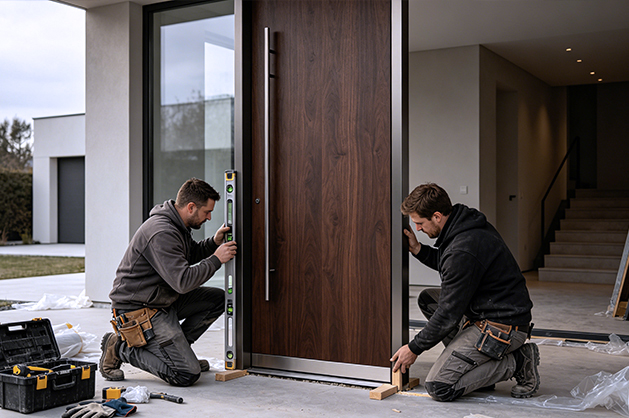
How does DERCHI support remote installation, on-site commissioning, and warranty claims? +
Every custom roller door is issued with an individual project identification label and QR-code linking directly to its high-resolution CAD wiring schematic, barrel spring tension chart, and 3D step-by-step installation video in English. Our English-speaking engineering desk provides live video commissioning support via WhatsApp, Zoom, or Teams during site installation. We provide a 5-year structural warranty on extruded aluminum curtains and guide tracks, and a 3-year replacement warranty on motors and control boards. Replacement parts and electrical boards are dispatched via priority air freight (DHL/FedEx) within 48 hours of ticket validation.
Plan Your Commercial or Residential Roller Door Project
Submit your door schedules, opening dimensions, or CAD architectural elevations. Our senior facade engineering team will generate customized shop drawings, wind-load calculations, and direct factory pricing within 24 hours.