Featured Precision-Engineered Aluminium Systems
Designed and tested to global standards including AS 2047, CE, ISO 9001, and NFRC. Explore our specialized heavy-duty architectural sliding windows, weatherized patio systems, and custom marine-grade apertures built for extreme climatic exposures.
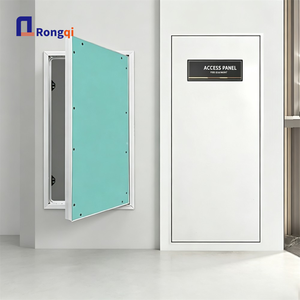
Access Panel Flush Finish Drywall Gypsum Aluminium Service Hatch
Architectural-grade flush perimeter with touch-latch mechanism and electrostatically powder coated 6063-T5 aluminium framing for drywall and ceiling integration.
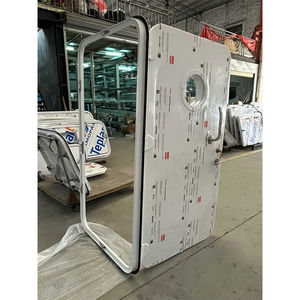
Custom Aluminium Marine Weathertight Cabin Porthole Door
Ultra-resilient bulkhead door engineered with marine-grade Qualicoat Class 3 powder coatings, heavy-duty neoprene sealing gaskets, and high-pressure tempered observation glazing.
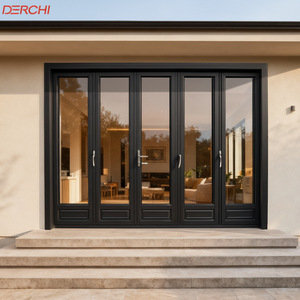
DERCHI Custom Waterproof Double Tempered Bi-fold Aluminium Doors
Multi-point interlocking bi-fold system engineered with fluorocarbon/polyester powder treatment, multi-cavity drainage sill, and double-glazed tempered acoustics.
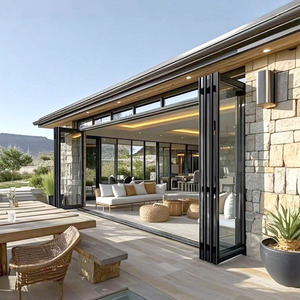
NFRC Certified Thermal Break Large Patio Door with Retractable Screen
Certified by NFRC for low U-factor performance, incorporating technoform PA66GF25 thermal insulation strips, integrated insect screening, and precision architectural tracks.
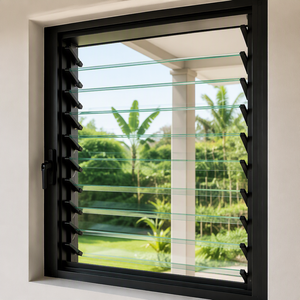
Adjustable Tempered Glass Louver Window with Invisible Mechanism
Modern horizontal louver fenestration with powder-coated aluminium outer frame, multi-angle ventilation control, concealed transmission linkages, and weatherproofing.
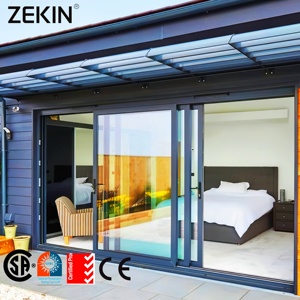
AS 2047 Double Glazed Cavity Sliding Stacker Balcony Door System
Engineered for extreme cyclonic wind pressures and verified to AS 2047 N6 criteria. Features stainless steel heavy-duty rollers, cavity stacker dynamics, and AAMA 2604 finish.
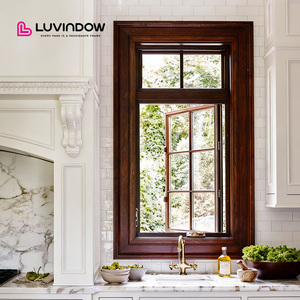
Wholesale Custom Triple Glazed Alu-Wood Hybrid Passive Windows
Ultra-luxury hybrid fenestration blending exterior fluorocarbon powder-coated aluminium shield with interior solid timber framing and triple-pane low-E argon thermal glass.
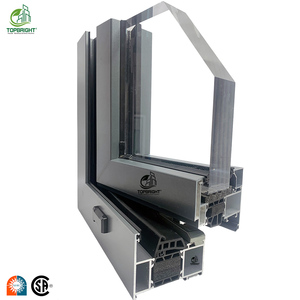
Topbright Thermal Break Acoustic Insulated Casement Window
High-grade acoustic damping window boasting 42dB noise attenuation, multi-point perimeter compression seals, precision European hardware, and durable powder coating.
Executive Sourcing Brief: Powder Coated Aluminium Sliding Windows from China
In modern commercial architecture and high-end residential engineering, aluminium powder coated sliding windows represent a critical nexus of structural durability, kinetic efficiency, and aesthetic minimalism. China's fenestration supply cluster, concentrated largely in industrial hubs like Foshan, Guangdong, has evolved from low-cost mass extrusion into high-precision, computer-controlled smart manufacturing conforming to rigorous global certifications such as Australia's AS 2047 N6, North American NFRC / AAMA, and European CE standards.
When global procurement directors, facade consultants, and general contractors evaluate top-tier Chinese manufacturers, the primary vectors of distinction lie within profile metallurgy (primary 6063-T5 vs. 6063-T6 virgin billets), electrostatic powder formulation (standard architectural polyesters vs. superdurable fluoropolymers), and systemic sealing engineering. Sourcing high-specification sliding windows is no longer merely a material trade—it is a detailed engineering collaboration requiring strict compliance verification, thermodynamic calculation, and verifiable factory audit histories.
Information Gain Keynote: A common failure point in cross-border fenestration procurement is overlooking the difference between standard architectural powder coatings (conforming to AAMA 2603) and superdurable thermoset coatings (AAMA 2604/2605 or Qualicoat Class 2/3). In severe high-UV environments such as the Gulf Cooperation Council (GCC) countries, Southern US, and Australian coastline, standard coatings suffer chalking and color fading within 24 to 36 months, whereas superdurable powder applications ensure dimensional color retention across a 15 to 25-year structural lifecycle.
Primary Virgin Alloy 6063-T5/T6
DERCHI guarantees zero scrap-metal re-melting. Extrusions are cast strictly from electrolytic Grade-A aluminium ingots, providing web wall thicknesses of 1.4mm to 3.0mm conforming to heavy commercial structural wind-load requirements.
Advanced Pre-Treatment Chemistry
Automated chromate-free zirconium-based chemical conversion passivation wash tunnels ensure deep nano-scale mechanical anchorage, eliminating paint flaking, micro-blistering, and filiform corrosion along coastal zones.
Polyamide Thermal Barriers
Integrating PA66GF25 glass-fiber reinforced polyamide insulation struts with multi-chamber internal geometry stops cold-bridging, lowering overall window U-values to under 1.6 W/m²K when combined with argon-filled IGU units.
Coating Technology Matrix: Evaluating AAMA & Qualicoat Specifications
To make an informed B2B procurement decision, engineers must differentiate between coating powder chemistries. The factory-direct facility of Guangdong Dejiyoupin Doors and Windows Co., Ltd. (DERCHI) operates vertically integrated, fully automated vertical and horizontal powder coating lines running AkzoNobel, PPG, and Tiger Drylac formulations. The comparative matrix below outlines structural thresholds verified in factory QA laboratories.
| Performance Specification | AAMA 2603 / Qualicoat Class 1 | AAMA 2604 / Qualicoat Class 2 | AAMA 2605 / Qualicoat Class 3 (Hyper-Durable) |
|---|---|---|---|
| Primary Resin Chemistry | Standard Thermoset Polyester | Superdurable Polyester / TGIC-Free | Polyvinylidene Fluoride (PVDF) / Fluoroethylene (FEVE) |
| South Florida UV Weathering | 1 Year Outdoor Exposure | 5 Years Real-World Exposure | 10+ Years Extreme Exposure Test |
| Color Retention (ASTM D2244) | Slight to moderate shift allowed | ΔE < 5.0 units after 5 years | ΔE < 5.0 units after 10 years |
| Chalk Resistance (ASTM D4214) | Rating ≥ 6 | Rating ≥ 8 | Rating ≥ 8 |
| Humidity / Salt Spray Resistance | 1,500 Hours Neutral Salt Spray | 3,000 Hours Corrosive Salt Fog | 4,000 - 5,000 Hours Marine Atmosphere |
| Recommended Project Topology | Interior partitions, mild climate residential | High-rise commercial, coastal residences, GCC | Ocean-front luxury villas, airports, public landmarks |
For large sliding window configurations—such as 2-track, 3-track, or 4-track multi-slide stackers—surface friction on the interlock profiles and sash meeting stiles is substantial. Powder coating applied in our facilities maintains a precise dry film thickness (DFT) between 60 to 80 microns. This ensures flawless surface fluidity that resists micro-abrasions caused by atmospheric sand without hindering the smooth movement of our heavy-duty tandem stainless-steel rolling mechanisms.
Future Procurement Trends: Where Fenestration Sourcing Is Heading (2025-2030)
The international building envelope sector is shifting rapidly under the pressure of statutory carbon neutrality mandates, extreme weather anomalies, and digitalized supply chain audits. Sourcing managers and architectural specifiers can optimize their long-term project risks by factoring in these key emerging trends:
1. Low-Carbon "Green" Aluminium Extrusions
European and North American ESG regulations now incentivize low-carbon aluminium, smelted using hydroelectric energy rather than coal. DERCHI is actively expanding green billet supply chains to offer certified low-embodied-carbon sliding window schedules with Environmental Product Declarations (EPDs).
2. Ultra-Narrow Sightlines & Structural Glazing
The architectural demand for unobstructed panoramic views has made minimal frame profiles (interlocks as thin as 20mm) mandatory. Advanced structural silicone bonding transfers wind loads directly through the glass pane, enabling sash heights exceeding 3.5 meters.
3. Smart Automated Kinetics & Zero-Threshold Sills
Commercial and luxury residential buyers increasingly specify motorized concealed track drives compatible with KNX and smart home protocols. Sills are designed flush with finished interior floor lines, featuring concealed subterranean drainage channels to evacuate water during storm deluges.
4. BIM-Ready Digital Specification Workflows
Contractors are replacing static PDF requests with Autodesk Revit BIM parametric models. Chinese manufacturers with dedicated technical engineering offices provide parametric Revit families, including wind load calculations, finite element thermal analysis, and precise anchor schedules.
5. Multi-Point Perimeter Security Locks
Traditional sliding windows with single center latches are obsolete. Modern specifications require multi-point anti-lift hooks crafted from cast 304/316 stainless steel, delivering high forced-entry resistance (RC2 / RC3) without spoiling the minimalist aesthetic.
6. Factory-Glazed Monolithic Export Modules
Rising job-site labor rates in Australia, North America, and Western Europe make on-site window glazing economically impractical. Procurement is moving toward pre-glazed, fully assembled units packed in fumigated A-frame steel shipping crates, ready for rapid crane placement.
Corporate Manufacturing Strength: The DERCHI Engineering Advantage
Headquartered in Shishan Town, Nanhai District, Foshan City—the epicenter of China's aluminium extrusion industry—Guangdong Dejiyoupin Doors and Windows Co., Ltd. (DERCHI) stands among China’s top tier of premier fenestration systems manufacturers. Operating across a monumental 180,000㎡ modernized industrial production base supported by more than 600 master technicians and facade engineers, DERCHI integrates the entire production cycle under rigorous ISO 9001 quality management.
Vertical Production Integration
From raw profile cutting, CNC 5-axis machining, and automated thermal-break strip insertion to electrostatic powder coating, silicone sealing, and factory glass installation—every manufacturing phase remains 100% in-house to protect dimensional tolerances within ±0.5mm.
International Certifications & Testing
Our fenestration assemblies are certified to CE, ISO 9001, AS 2047, and UL fire ratings, holding more than 100 patents. DERCHI products have passed rigorous Australian AS 2047 N6 cyclonic testing—the highest national tier for wind-load resistance and water tightness.
Bespoke Shop Drawings & 24/7 Engineering
Our bilingual facade engineering office works across international time zones (GCC, AEST, PST, EST). We provide complete CAD shop drawings, glass structural calculations, and thermal simulations within 24 hours of receiving door/window schedules.
Factory Verification: International clients and third-party inspectors (SGS, TUV, Bureau Veritas) are welcomed at our Foshan facility. Clients unable to travel can conduct real-time interactive audits via our 360-degree immersive factory VR platform, inspecting our profile machining lines, powder coating test labs, and pre-shipment assembly checks.
Frequently Asked Questions: Global Sourcing & Specification
Detailed answers to the key engineering, logistical, and warranty questions raised by international developers, contractors, and procurement professionals.
How do you prevent sliding windows from leaking during cyclonic rainstorms?
We employ a stepped multi-chamber drainage sub-sill with silicone one-way flapper valves. This system prevents wind pressure from blowing water back into the sill track while quickly channeling accumulated rainwater outwards. Dual EPDM compression fin seals and custom corner molded gaskets maintain an airtight seal when sashes are locked.
Can DERCHI powder-coated frames withstand extreme UV and desert sandstorms (e.g., GCC)?
Yes. For projects in the Middle East and coastal Australia, we apply Qualicoat Class 2 or Class 3 superdurable TGIC-free powders and fluorocarbon (PVDF) formulations. These are tested to resist continuous 50°C solar radiation, abrasive airborne sand, and intensive UV exposure, preventing premature chalking and color fading.
What is the standard lead time for custom commercial window schedules?
Typical production lead times range between 25 to 35 calendar days following CAD shop drawing sign-off and color chip approval. For large developments requiring custom extrusion dies, add 10 to 14 days for die tooling and initial sample extrusion testing.
What glass configurations are available, and do you supply certified Low-E IGU?
We offer double and triple glazed insulated glass units (IGU) featuring laminated safety glass, ceramic frit warm-edge spacers, and argon gas fill. We source directly from tier-one processors running AGC, Saint-Gobain, or CSG float glass with double and triple silver Low-E coatings for optimal SHGC and visible light transmission.
How do you safeguard assembled windows and finishes during ocean freight?
Every aluminium profile is wrapped in a protective, residue-free low-tack film. Corner blocks protect sash joints, while the complete window module is shrink-wrapped with desiccants and secured in reinforced steel or fumigated plywood export crates engineered for safe forklift and crane unloading at the job site.
Can you provide independent engineering calculations for local building authority approvals?
Yes. Our structural facade team generates comprehensive structural calculation packages. These include wind pressure deflection analyses (L/250 or L/175 criteria), mullion inertia checks, thermal bridge finite element analyses, and anchorage engineering to support consultant and municipal building authority submittals.
Engineering Checklist: Auditing an Aluminium Window Supplier in China
Securing maximum ROI and mitigating quality risk requires a systematic auditing framework. When reviewing manufacturer bids and factory capability, check these eight technical checkpoints:
1. Virgin Ingot Traceability
Request Mill Test Certificates (MTC) to verify 6063-T5 aluminium alloy composition. Virgin billet yields higher mechanical tensile strength and a smoother substrate for uniform electrostatic powder adherence.
2. Pre-Treatment Wash Systems
Verify that the powder coating line employs a multi-stage immersion or spray wash pre-treatment process with deionized water rinses to remove all drawing oils and oxidation before powder application.
3. Thermal Barrier Integrity
Ensure polyamide thermal struts are authentic PA66GF25 (25% glass fiber reinforced). Steer clear of cheap PVC or recycled plastic substitutes, which degrade and lose shear strength under elevated summer temperatures.
4. Roller System Load Rating
Sliding sashes weighing 150kg to 400kg require heavy-duty dual-tandem stainless steel rollers (grade 304 or 316) featuring sealed precision bearings, cycle-tested to at least 100,000 smooth opening/closing runs.
5. Gasket Sealing Chemistry
Demand sulfur-free EPDM (Ethylene Propylene Diene Monomer) or silicone co-extruded gaskets. Standard PVC gaskets harden, shrink, and crack when exposed to solar UV, breaking the air and weather seal.
6. Corner Assembly Precision
Check that corners utilize cast aluminium corner cleats injected with two-part polyurethane corner joint glue (crimped on German machine centers) to deliver complete waterproof rigidity and squareness.
Accelerate Your Project with DERCHI Precision Engineering
Whether you are developing a luxury residential compound, high-rise residential towers, or a commercial hospitality property, our engineering teams are ready to support your fenestration schedules with free CAD shop drawings, acoustic and thermal calculations, and competitive factory-direct pricing.