High-Performance Outdoor Aluminum Door & Fenestration Matrix
Engineered to resist coastal salinity, structural wind shear, and severe thermal divergence. Each production profile utilizes 6063-T5/T6 aviation-grade aluminum alloy extrusion with advanced thermal break barrier technology.
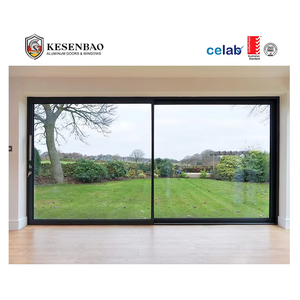
CE Double Glazed Slim Aluminum Sliding Glass Door
Ultra-narrow sightline engineering combined with multi-point perimeter locks and heavy-duty stainless steel rollers for unobstructed panoramic views and acoustic dampening.
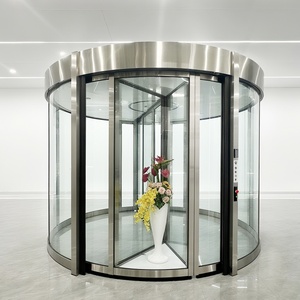
Modern Commercial Aluminum Automatic Revolving Doors
Designed for heavy-traffic public facilities, hotels, and retail complexes. Features integrated PLC logic speed management, emergency collapse wings, and hermetic perimeter brush seals.
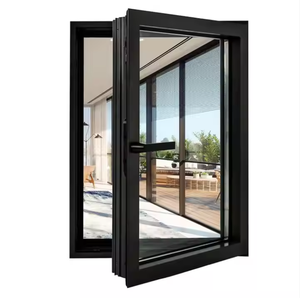
Thermal Break Double Glazed Aluminum Casement System
Heavy profile extrusion equipped with multi-cavity PA66 GF25 thermal insulators, triple-sealed EPDM automotive-grade compression gaskets, and German multi-point gear hardware.
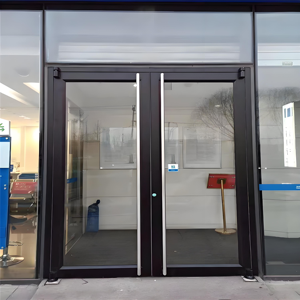
Waterproof Heavy Commercial Double Glaze Entry Doors
High-durability commercial portal with concealed floor-spring pivots, toughened laminated low-E glass, anti-pinch frame perimeter profiles, and anodized scratch-proof finishes.
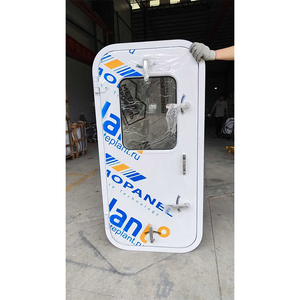
Watertight Heavy-Duty Bulkhead Door Handwheel System
Specialized anti-corrosion 5083/6082 marine-grade aluminum door structure with multi-point perimeter dogging clips, heavy silicon neoprene gaskets, and certified hydrostatic pressure resistance.
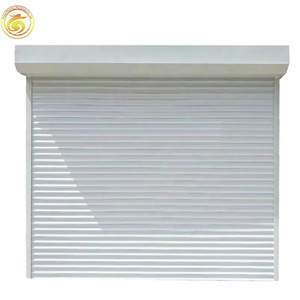
High-Performance Insulated Aluminum Rolling Shutter Door
Dual-wall extruded aluminum slats injected with high-density polyurethane insulation foam. Provides acoustic damping, thermal insulation, anti-typhoon wind locks, and automated motor integration.
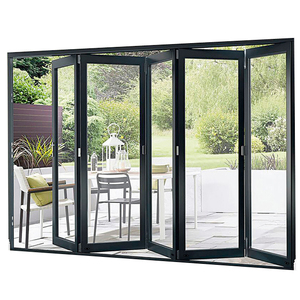
Heavy Magnetic Folding Aluminum Bifold Door Assembly
Engineered for seamless indoor-outdoor transitions or luxury master suites. Features top-hung stainless bearings, concealed magnetic catchers, and acoustic laminated frosted safety glazing.
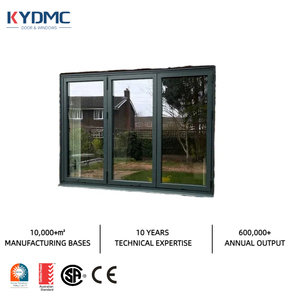
Low-E Argon Double Glazed Aluminum Bifold Window System
Compliant with NFRC thermal standards for high-efficiency green architecture. Matte black fluorocarbon finish with seamless corner crimping and effortless multi-leaf accordion folding action.
Why Direct Sourcing from Foshan, China Dominates Global Projects
Operating from our modern manufacturing base in Foshan, Guangdong—the worldwide epicenter of aluminum architectural profiles—Guangdong Dejiyoupin Doors and Windows Co., Ltd. (DERCHI) stands among China's Top 10 fenestration and door system pioneers.
Vertically Integrated Ecosystem
From aluminum billet casting, precision mould die extrusion, automatic thermal barrier polyamide insertion, to electrostatic PVDF fluorocarbon spraying, our end-to-end production lines eliminate third-party markup and maintain strict dimensional tolerances under ±0.2mm.
Rigorous International Testing
Our doors are certified against the most stringent building codes globally, including CE EN 14351-1, Australian AS 2047 N6 cyclonic testing, ISO 9001 quality compliance, and UL fire-rated certifications. Every batch undergoes water penetration, air infiltration, and structural deflation audits.
One-Stop Architectural Envelope
Developers and contractors can consolidate custom oversized pivot entrance doors, cast aluminum majlis gates, slim double-glazed terrace sliders, curtain wall integrations, and rolling shutter systems inside a single consolidated shipping container, dramatically reducing logistics costs.
Precision CNC Machining & Advanced Corner Crimping
Outdoor doors in severe climates fail almost exclusively at the mitred corners and thermal break boundaries due to cyclical expansion. DERCHI incorporates automated four-axis CNC compound milling stations and heavy hydraulic cold corner crimping filled with twin-component structural corner sealing glues. This guarantees permanent structural wind resistance and water-tight longevity without joint yawning or galvanic corrosion.

Emerging Procurement Trends for Architectural Aluminum Doors
As commercial developers, hotel chains, and residential luxury builders rethink the building envelope, four major macro procurement trends are redefining how outdoor door systems are sourced from Chinese manufacturing hubs.
Smart Biometric Automation
Procurement specifications now frequently mandate factory-integrated concealed motorized pivot hinges, biometric facial scanners, smartphone RFID protocols, and central Building Management System (BMS) wiring channels embedded directly into the door sash during assembly.
Ultra-Low Carbon "Green Aluminum"
With international carbon border adjustments (CBAM) coming into force across Europe and North America, developers require certified recycled or hydroelectricity-smelted primary aluminum billets to curb Scope 3 embodied carbon in facade schedules.
Hyper-Thermal Barrier Profiles
Rising cooling and heating energy tariffs mean standard thermal breaks are obsolete. Sourcing criteria demand multi-chambered polyamide strips (PA66 GF25) measuring 35mm to 54mm, paired with argon-filled warm-edge triple glazing reaching Uw ≤ 0.9 W/(m²·K).
Extreme Proportions & Slim Sightlines
High-end residential projects in California, Dubai, Sydney, and Singapore prioritize giant monumental pivot doors reaching heights of 4 to 6 meters, with interlocking profiles engineered from structural finite element analysis (FEA) to resist wind deformation without unsightly bulk.
| Door System Type | Primary Material Specification | Typical Uw / Thermal Value | Optimal Architectural Environment | Factory Compliance Standard |
|---|---|---|---|---|
| Slim Patio Sliding Doors | 6063-T6 Extruded Alloy, 2.0mm Wall Thickness | 1.2 - 1.6 W/(m²·K) | Luxury Coastal Villas, High-End Penthouse Patios | CE EN 14351, AS 2047, NFRC |
| Grand Pivot Entrance Doors | Heavy Alloy + Polyurethane Core + Steel Spine | 1.1 - 1.4 W/(m²·K) | Monumental Residential Portals, Prestigious Hotels | ISO 9001, Wind Resistance Class 4 |
| Cast Aluminum Security Portals | Solid Sand-Cast Aluminum Plates + Alloy Sub-frame | 1.4 - 1.8 W/(m²·K) | Majlis Entrances, Palaces, Estate Main Gates | Anti-Intrusion Class RC3/RC4 |
| Commercial Double Storefront | High-Tensile 6063-T5 Profiles with Laminated Glass | 1.5 - 2.0 W/(m²·K) | Shopping Centers, Corporate HQs, Transportation Hubs | UL Fire Safety, High-Traffic Durability |
Technical Development Trajectory in Chinese Fenestration
The transition of Chinese door factories from basic assemblers to high-tier precision engineering hubs is grounded in metallurgical innovations, automated surface passivation, and specialized weather sealing chemistries.
Isothermal Zone Alignment
Modern Chinese exterior door designs feature aligned polyamide thermal barriers across sash and outer frame geometries. By ensuring the thermal break lines up with the double or triple insulated glass units (IGU), internal condensation is prevented even when internal ambient humidity is high and outdoor temperatures plummet or surge.
Advanced Surface Nanotechnology
Standard powder coats degrade rapidly under high UV indices and salt spray. Premier factories utilize Qualicoat Class 2 and Class 3 certified fluorocarbon coatings (PVDF) containing over 70% Kynar 500 resin. This formulation resists Chalking, fading, and micro-cracking for 20+ years in marine environments.
Continuously Vulcanized EPDM Gaskets
To eliminate air infiltration at frame corners, cutting-edge production integrates seamless, vulcanized corner piece EPDM rubber seals rather than butt-jointed foam. This maintains a continuous hermetic seal under positive wind pressures exceeding 4500 Pa (equivalent to Category 5 typhoons).
Frequently Asked Questions on Sourcing Doors from China
Essential guidance addressing technical qualifications, factory verification, project lead times, shipping logistics, and compliance checks for commercial and residential buyers.
How do top Chinese factories ensure outdoor aluminum doors withstand 50°C desert summers and saline coastal air?
Premier Chinese manufacturers like DERCHI specify 6063-T6 or 6082 marine alloys combined with multi-cavity PA66 GF25 thermal breaks and UV-stabilized fluorocarbon finishes. Internal cores are injected with non-combustible hydrophobic insulation to counteract thermal expansion and bowing ("bimetallic effect"), ensuring smooth latching in extreme Gulf or tropical climates.
What certifications are required to import outdoor aluminum doors into North America, Australia, and Europe?
For Australia, look for verified AS 2047 and AS 1288 wind load and glass safety credentials. For the European Union, CE marking compliant with EN 14351-1 is mandatory. For the United States and Canada, products must meet NFRC thermal standards (U-Factor, SHGC) and AAMA/WDMA/CSA 101/I.S.2/A440 structural ratings. DERCHI provides complete accredited laboratory test dossiers for consultant submittals.
What is the typical manufacturing lead time for custom architectural door schedules?
Standard bespoke production requires 25 to 35 business days following CAD shop drawing confirmation and color sample approval. For specialized architectural requirements involving custom extrusion dies, curved IGUs, or multi-axis cast aluminum reliefs, lead times span 40 to 50 days. Pre-shipment video audits and dry-fit mockups are conducted in-factory.
How are heavy, oversized pivot doors packaged to prevent damage during ocean transit?
Doors are fully protected with multi-layer surface film, shock-absorbing corner EVA caps, vacuum moisture-barrier foil, and secured inside solid, fumigation-free ISPM-15 plywood crates. Frames and sashes are braced on custom steel A-frame transit racks to eliminate racking or glass deflection under rough sea swells.
Can Chinese manufacturers provide custom shop drawings and engineering calculations for structural approval?
Yes. Professional factories have in-house structural engineering teams that supply detailed AutoCAD shop drawings, 3D BIM/Revit models, elevation schedules, fixing substrate anchor details, and static wind-load calculations signed off for municipal building permitting and developer submittal packages.
What hardware brands are integrated into Chinese luxury door assemblies?
Direct factory sourcing gives buyers full hardware flexibility. Standard luxury configurations feature premium European systems like Siegenia, Roto, Hoppe, Sobinco, or GU, as well as proven top-tier domestic hardware like Kin Long and CMECH. Commercial portals incorporate Dormakaba and Geze concealed floor pivots and emergency panic release bars.
How can overseas procurement officers conduct factory audits before issuing deposit payments?
Tier-1 manufacturers offer 360-degree immersive VR factory walkthroughs, real-time live video inspections with sales engineers, and third-party inspection access (SGS, TÜV, Bureau Veritas). Clients are encouraged to review valid business licenses, ISO accreditation certificates, and client project portfolios across the USA, Canada, Australia, and the Middle East.
What is the minimum order quantity (MOQ) and sample policy for commercial projects?
Unlike retail traders, factory-direct partners typically maintain flexible project-based MOQs. While 1 complete villa set or 10-20 square meters of custom fenestration can be accommodated as a paid mock-up sample, full container load (FCL) orders unlock volume economies of scale on custom die extrusion and specialized marine finish treatments.