Engineered Fenestration Systems Showcase
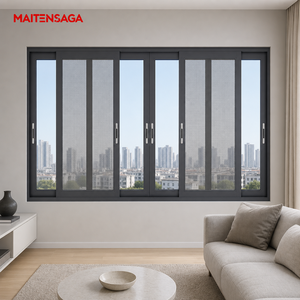
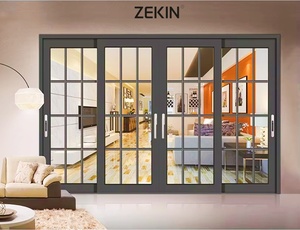
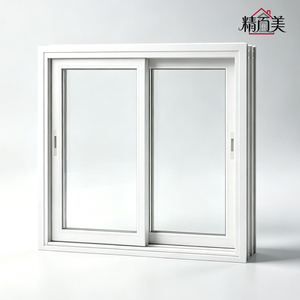
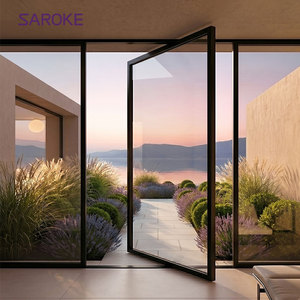
Explore our precision-engineered aluminum sliding systems optimized for structural resilience, superior thermal breaks, and extreme coastal durability across global commercial and residential applications.
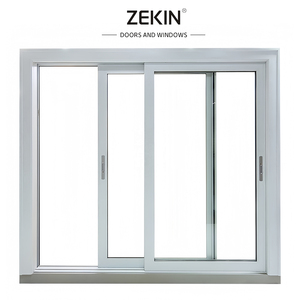
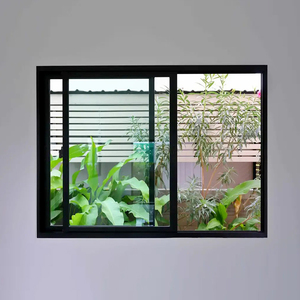
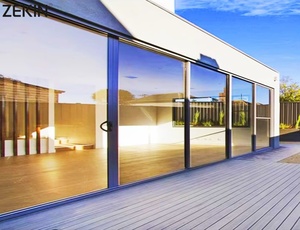
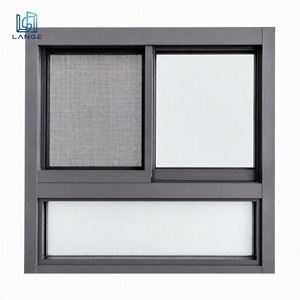
Future Procurement Trends in Architectural Fenestration
Commercial developments and residential master-planned communities demand structural resilience, aggressive carbon-neutrality parameters, and micro-precision acoustic engineering.
Stringent building envelope regulations (ASHRAE 90.1, Title 24, and UAE Estidama) mandate strict U-values. The transition to multi-chambered polyamide 6.6 (PA66 GF25) thermal struts minimizes heat conductance across aluminum extrusions, reducing HVAC thermal loss by up to 45% in harsh climates.
Global procurement teams prioritize fenestration certified to AS 2047 and Florida High-Velocity Hurricane Zone (HVHZ) benchmarks. Advanced interlockers, laminated SentryGlas® interlayers, and heavy-duty structural mullions ensure resistance against dynamic cyclic wind pressures up to 4500 Pa.
Modern luxury architecture requires maximum daylight exposure. Procurement is pivoting towards concealed outer frames, ultra-slim interlocks under 20mm, and integrated stainless steel tandem rollers capable of smoothly handling continuous sash loads exceeding 400 kg without mechanical degradation.
Technical Comparison: Evaluating Market Tier Manufacturers
A granular matrix highlighting structural criteria, testing protocols, and compliance verifications when benchmarking Tier 1 extrusion suppliers.
| Specification Metric | Standard Commodity Tier | DERCHI High-Performance Engineering | Procurement Benefit |
|---|---|---|---|
| Alloy Composition | Recycled 6063-T5 (standard) | Virgin 6063-T6 / 6061 Structural Billet | Higher tensile strength, deflection resistance under high wind loads. |
| Thermal Insulation | Non-thermal or basic PVC spacer | Multi-Chamber PA66 Polyamide Barrier | Drastically lower overall fenestration U-values (down to 1.4 W/m²·K). |
| Water Tightness Rating | Up to 300 Pa (Basic weep holes) | 700 Pa+ Cascading Concealed Drainage | Zero capillary water penetration during torrential coastal downpours. |
| Surface Coating | Standard Electrostatic Powder (40µm) | Qualicoat Class 2 / PVDF 3-Coat (80µm+) | Resistant to salt-spray corrosion, UV chalking, and airborne sand scouring. |
| Testing Compliance | Local shop-drawing estimates | AS 2047, NFRC, CE, ISO 9001, UL Certified | Seamless submittals and rapid engineering sign-off with municipal authorities. |
Why Direct-Sourcing from DERCHI Minimizes Project Risk
Guangdong Dejiyoupin Doors and Windows Co., Ltd. (DERCHI) combines industrial-scale fabrication with boutique engineering precision.
Operating a specialized 180,000㎡ industrial footprint in Foshan, Guangdong, equipped with computerized CNC cutting centres, robotic corner-crimping units, and automated double-glazing lines, DERCHI eliminates lead-time bottlenecks for multi-unit high-rise developments and villa communities.
With projects executed across the United States, Australia, Canada, the Philippines, and the Middle East, our technical office delivers full shop drawings, structural wind load calculations, thermal performance simulations, and structural test reports validated to international standards.
Export packaging features reinforced non-fumigation plywood crates, corner protection guards, and water-desiccant barrier lining. Consignments are packed for direct container transshipment, eliminating handling damage before on-site installation.
B2B Procurement FAQs: Aluminum Horizontal Sliding Windows
Key technical considerations for general contractors, MEP consultants, and commercial window purchasers.
How do horizontal sliding windows perform against air and water infiltration compared to casement systems?
What alloy and extrusion wall thicknesses are required for high-rise or hurricane installations?
How do you prevent galvanic corrosion and surface degradation in coastal or saline environments?
Can customized hardware and motorized smart automation be integrated into large-span sliding windows?
What is the typical production timeline and QA process for overseas container loads?
Accelerate Your Project with Certified Engineering
Connect with our structural facade engineers to review your window schedules, architectural elevations, and custom glass thermal requirements.
Inquire Now