Thermal Barrier
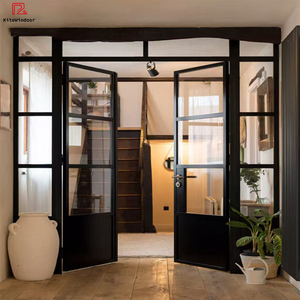
Modern Interior Partition Aluminium Alloy Tempered Glass Door
Tempered SGCCThermal InsulationVapour Seal
Engineered for high-frequency residential and commercial kitchen environments. Featuring 6063-T6 virgin billet extrusions, fluorocarbon finishes, and multi-chamber thermal breaks.
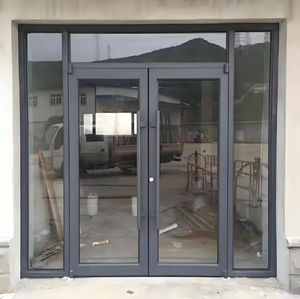
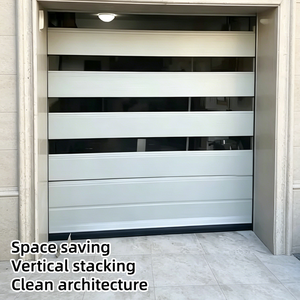
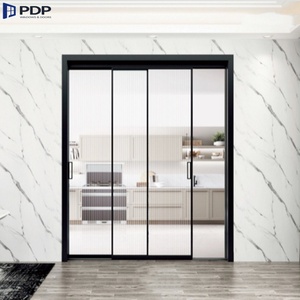
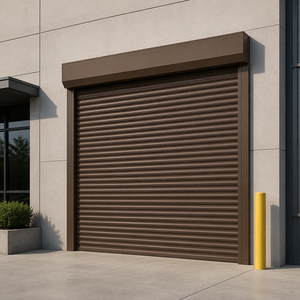
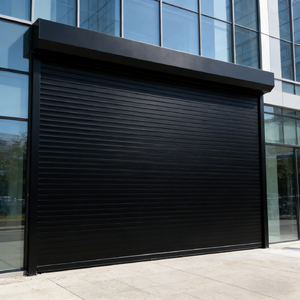
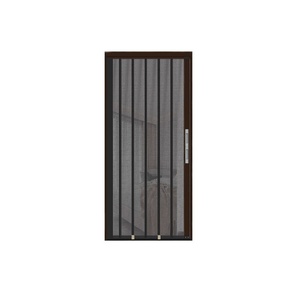
In-depth structural breakdown of culinary boundaries: Balancing spatial openness, cooking fume isolation, acoustic attenuation, and thermal boundaries.
Modern kitchen environments have evolved from isolated functional service units into central social and aesthetic hubs in modern residential architecture and commercial open-concept layouts. This architectural paradigm shift creates an engineering paradox: designers require visual continuity, daylight penetrability, and minimal sightlines, while occupants require isolation against high-temperature cooking oils, heavy grease vapours, persistent steam, and kitchen machinery acoustics.
To address these demands, specifiers and structural consultants have moved away from conventional PVC, hollow iron, and non-treated timber profiles toward high-grade 6063-T5/T6 architectural aluminum alloy extrusions paired with high-performance tempered or laminated glazed systems. Aluminium offers high structural strength-to-weight ratios, intrinsic resistance against kitchen oxidation, dimensional stability against persistent boiling-induced relative humidity, and support for ultra-slim stiles (down to 16mm).
Kitchen partitions experience continuous, uneven thermodynamic loads: one side faces rapid heat spikes from induction and gas flames along with chemical grease vaporization, while the opposing side maintains conditioned indoor air temperatures (18°C–24°C). Low-grade aluminum extrusions or poorly anchored vinyl tracks warp over time, causing roller derailment, seal degradation, and localized condensation. Specifying multichambered structural aluminum with co-extruded EPDM seals and high-durability polyamide thermal breaks ensures long-term operational integrity.
Global procurement teams, real estate developers, and architectural contractors are adopting stringent technical requirements when auditing aluminium glass door factories. Three primary trends define current and future sourcing cycles:
Eliminating bottom floor tracks prevents grease and food debris accumulation. Precision overhead structural lintels and multi-bearing suspension carriages ensure smooth gliding without floor-level trip hazards.
Smart liquid-crystal switchable glass is replacing mechanical blinds. Kitchen glass panels shift from optically clear daylight transparency to opaque white privacy in under 100 milliseconds via wall switches or home automation.
Standard anodized finishes often degrade from hot cooking grease and acidic fumes. Next-generation coatings combine Qualicoat Class 2/3 fluorocarbon (PVDF) powder coats with oleophobic nano-silica glazes for quick wipe-down cleaning.
To support procurement decisions, our engineering team benchmarked key global fabrication hubs across core technical parameters, structural stability, custom machining tolerances, and export readiness.
| Region / Cluster | Aluminium Extrusion Grade | Stile Sightline Capability | Acoustic Attenuation (STC) | Surface Treatment Standard | Procurement Cost Ratio |
|---|---|---|---|---|---|
| Foshan, China (DERCHI Industrial Hub) | 6063-T6 / 6061-T6 Structural Billet | 16mm – 25mm Ultra-Slim | 32 dB – 42 dB (Acoustic IGU) | PVDF / AkzoNobel Powder / Electrophoresis | Optimal Tier-1 Value |
| Southern Germany / Austria | AlMgSi0.5 Specialized Profile | 20mm – 35mm Minimalist | 34 dB – 45 dB (Triple Glazed) | Qualicoat Class 3 Architectural Standard | High Premium (2.8x – 3.5x) |
| Northern Italy (Brianza Cluster) | Primary Extruded Alloys | 18mm – 30mm Designer Narrow | 30 dB – 38 dB Interior Glass | Anodized Satin / Custom Liquid Patina | High Luxury Premium (2.5x – 3.2x) |
| Gulf Cooperation Council (GCC) | 6063-T5 Structural Thermal | 45mm – 65mm Heavy Gauge | 28 dB – 35 dB Standard Glass | High-Temp UV Powder Coating | Medium-High (1.6x – 2.0x) |
| North America (US/Canada) | Architectural Grade Aluminum | 40mm – 75mm Heavy Impact | 30 dB – 40 dB Insulated Double | AAMA 2605 Fluoropolymer System | High Domestic Overhead (2.2x – 2.9x) |
Ranked among the Top 10 door and window brands in China, DERCHI operates a 180,000㎡ smart manufacturing base in Foshan, providing direct engineering solutions to worldwide builders.
Equipped with multi-axis CNC extrusion cutting centers, automatic corner-crimping cells, and dust-free glass assembly lines ensuring profile tolerances within ±0.2mm.
Every batch undergoes pneumatic pressure tests, acoustic chamber evaluations, salt-fog corrosion exposure, and 100,000-cycle continuous hardware glide testing before crating.
DERCHI products are backed by 8 international certifications, over 30 utility patents, and full adherence to ISO 9001, CE, AS 2047, and UL structural and fire guidelines.
Our dedicated R&D team generates free CAD shop drawings, elevation details, and load calculations tailored to specific door opening dimensions, pocket wall structures, and ceiling anchors.
Beyond kitchen partitions, DERCHI supplies entry doors, cast aluminium villa gates, garage shutters, and soundproof bedroom openings under a consolidated shipping schedule to reduce container freight overhead.
Our multilingual engineers handle time-zone-aligned technical support across the Americas, Europe, Australia, and the Middle East, offering step-by-step installation coordination and hardware maintenance manuals.
Essential technical, testing, and shipping answers for structural consultants, quantity surveyors, and project developers.
Submit your opening schedules, architectural drawings, or technical queries. DERCHI's commercial engineering team delivers CAD layouts, specifications, and complete FOB/CIF estimates within 24 hours.
Get Catalog