Architectural Aluminium & Specialty Door Solutions
Engineered for luxury residential open-concept chef pantries, commercial kitchen enclosures, and heavy-duty ingress portals. Fully customizable to international architectural schedules.
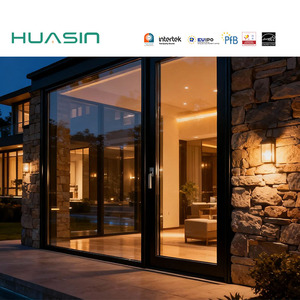
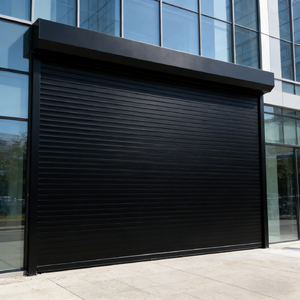
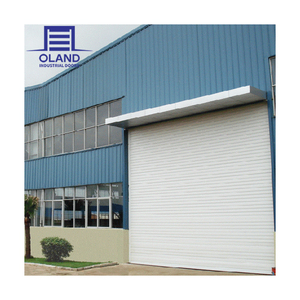
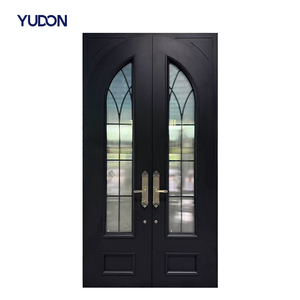
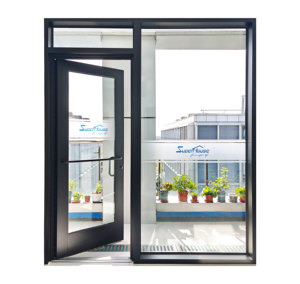
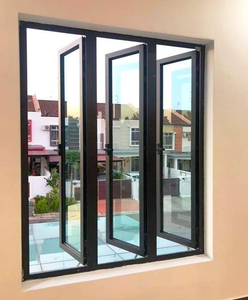
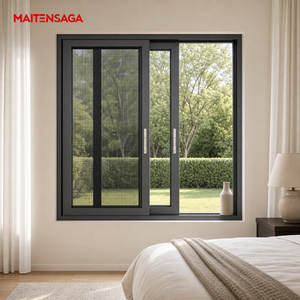
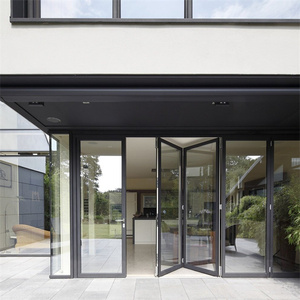
Guangdong Dejiyoupin (DERCHI): Industrial Scale & Engineering Rigor
Recognized among the Top 10 door and window enterprises in China, DERCHI operates over 180,000 square meters of specialized production facilities in Foshan, Guangdong. Backed by 25+ years of metallurgy and custom extrusion mastery.
Full-Chain OEM/ODM Manufacturing Capabilities
DERCHI provides bespoke B2B fabrication workflows spanning architectural aluminum kitchen entrance doors, slim-line interior glass partitions, and custom extruded cabinet doors. Sourcing directly from virgin aluminum billet (Alloy 6063-T5 and 6063-T6), our facilities enforce rigid computerized numerical control (CNC) tolerances within ±0.15mm.
- Structural Alloy Selection: High-tensile 6063-T5/T6 structural alloys for warp-free door stability in high-moisture kitchen zones.
- Certified Compliance: CE, ISO 9001, AS 2047 (Australian N6 Standard), and UL Fire-Rated certifications.
- Advanced Surface Treatment: Fluorocarbon PVDF coatings, AkzoNobel architectural powder coatings, and anodic oxidation (15-25μm).
- End-to-End Export Logistics: Multi-layer maritime protective crating with vapor-barrier wrapping for zero-damage container transits.

Aluminium Kitchen Door Systems vs. Conventional Materials
Modern kitchen design mandates materials resilient to continuous thermal cycling, elevated relative humidity, oil volatilization, and aggressive commercial cleaning agents.
| Performance Parameters | DERCHI Architectural Aluminium | Solid Wood / Timber Clad | MDF / Thermo-foil Polymer | Commercial UPVC |
|---|---|---|---|---|
| Dimensional Stability | Zero Warping (ΔL < 0.05%) | High Swelling Risk (ΔL > 3.2%) | Edge De-lamination under steam | Thermal expansion deformation |
| Corrosion & Grease Resistance | Immune (ASTM B117 > 2000hrs) | Varnish degrades over time | Core swelling upon seal rupture | Yellows under UV and grease exposure |
| Fire Safety Rating | Class A Non-Combustible (UL-94/EN 13501) | Combustible (Requires retardant) | Combustible (Toxic smoke release) | Self-extinguishing but meltdowns |
| Frame Sightline Minimalization | Ultra-Narrow (16mm - 28mm) | Bulky Sightline (65mm+) | Medium Sightline (50mm+) | Heavy Profile (70mm+) |
| Lifecycle Span (Kitchens) | 30+ Years Zero Degradation | 8 - 12 Years (Frequent resealing) | 5 - 7 Years (Prone to moisture ruin) | 10 - 15 Years (Hardware pulls loose) |
Key Sourcing & Procurement Trends in Aluminium Kitchen Doors
Global architectural demands are shifting rapidly toward open-plan fluid architecture, acoustic isolation, and ultra-durable sustainable materials. Here is where international developers and contractors are investing.
1. Invisible Flush Frames & Zero-Threshold Transition
Modern residential luxury favors seamless indoor transitions. The market is aggressively moving away from floor tracks with high lips toward recessed drainage tracks and zero-threshold systems. This ensures smooth movement between formal wet kitchens, dry show pantries, and outdoor alfresco dining loggias without stumbling hazards.
2. Thermal Breaks & Specialized Acoustic Isolation
Kitchens are dynamic acoustic zones generated by high-power exhaust hoods, dishwashers, and food preparation. OEM procurement trends indicate that over 65% of specifiers now require polyamide (PA66) thermal breaks and double-laminated acoustic glazing (Rw > 38dB) to isolate kitchen clamor and heat from living quarters.
3. Integrated Micro-Automation & Touchless Actuation
Driven by hygienic considerations in both commercial hospitality kitchens and premium smart homes, automatic sliding pocket doors and motorized bi-fold systems with infrared foot sensors or hidden capacitive sensors are experiencing 40% year-on-year procurement growth worldwide.
4. Powder Coatings with Anti-Microbial & Hydrophobic Additives
Surface technology has evolved beyond pure aesthetics. International procurement schedules in the Middle East and North America now request hydrophobic, fingerprint-resistant, and anti-microbial fluoropolymer powder finishes capable of repelling cooking aerosols and resisting harsh alkaline sanitizers.
5. Full Lifecycle Circularity & Low-Carbon Billets
Real estate developers targeting LEED, BREEAM, and Estidama certifications mandate verified low-embodied-carbon aluminum profiles. DERCHI incorporates up to 60% post-industrial recycled certified aluminum extrusions processed via hydropower smelting, reducing carbon footprints by over 45%.
The Engineering Evolution of Aluminium Kitchen Doors
From crude, industrial hollow metal frames to high-performance, micro-engineered architectural focal points: trace how door kinematics and metallurgy have redefined modern kitchen space planning.
Phase 1: Hollow Core Non-Thermal Extrusions (1990s - 2005)
Initial iterations were limited to simple square-hollow extrusions without thermal breaks. These systems suffered from severe acoustic transfer, surface condensation in chilled kitchen environments, and rudimentary exposed rollers that degraded rapidly from grease accumulation.
Phase 2: Multi-Chamber & Thermal Barrier Adoption (2006 - 2018)
The introduction of multi-cavity aluminum extrusions with PA66 polyamide insulating strips resolved condensation and structural deflection. High-load stainless steel multi-wheel carriage assemblies allowed architects to introduce heavy double-glazed units without roller binding.
Phase 3: Ultra-Slim Kinematics & Architectural Concealment (Present - Future)
Today's state-of-the-art systems utilize aerospace-grade structural bonding, hidden overhead pivot mechanics, magnetically soft-closing dampeners, and micro-bezel profiles. Glass panes act as structural shear diaphragms, allowing panel heights up to 4,000mm while retaining featherlight fingertip operation.
Frequently Asked Questions for B2B Importers, Contractors & Specifiers
Critical technical, logistical, and commercial answers for developers, procurement directors, and project managers sourcing aluminium kitchen doors directly from the manufacturer.
For existing catalog profiles, our Minimum Order Quantity (MOQ) is 1 container (20GP / 40HQ) or project batches starting from 50㎡ for custom villa developments. For custom ODM extrusion die development, die fabrication requires 12–15 days, with sample production and cross-sectional CMM verification delivered within 7 days thereafter.
For high-traffic commercial kitchens and coastal villas (such as Gulf GCC or coastal US/Australia), we recommend minimum 25-micron anodic oxidation or AkzoNobel Interpon architectural powder coating with a Qualicoat Class 2 qualification. These finishes withstand over 2,000 hours of neutral salt spray testing (ASTM B117) with zero flaking or discoloration.
All products undergo trial dry assembly in our Foshan facility. Extrusions are CNC machined to ±0.15mm tolerances. Glazing is bedded in structural co-extruded EPDM gaskets with continuous silicone cure. Cargo is packed in fully enclosed plywood crates reinforced with internal steel tension banding and silica desiccants.
Yes. Our engineering division of 40+ dedicated facade and door engineers provides comprehensive CAD elevations, horizontal/vertical jamb sections, and Revit BIM models within 24–48 hours of project schedule receipt. Structural wind load calculations (AS 1170, ASTM E330) are provided for consultant sign-off.
We partner directly with tier-one global hardware manufacturers including German Siegenia, Hoppe, Roto, G-U, and CMECH, alongside our proprietary heavy-duty DERCHI stainless steel 304/316 roller carriages rated for up to 400kg panel loads and tested through 100,000 cycle open/close durability runs.
Standard production lead time is 25 to 35 calendar days following shop drawing sign-off and deposit receipt. For fast-track projects, our 180,000㎡ plant capacity allows multi-line parallel fabrication to deliver 5,000+ square meters per month without sacrificing QA protocols.
Accelerate Your Project Schedule with Factory-Direct Engineering
Whether you require custom aluminum profile extrusion, fire-rated commercial kitchen roller partitions, or panoramic slim-profile bifold systems, our Foshan engineering headquarters is equipped to fulfill your project specifications on budget and on schedule.