Precision Aluminum Architectural Doors with Integrated Insect Systems
Explore our core export fenestration product lines. Every system supports factory-tailored OEM insect screening—from concealed pull-down cassette fly screens to stainless steel anti-cut intruder protection meshes.
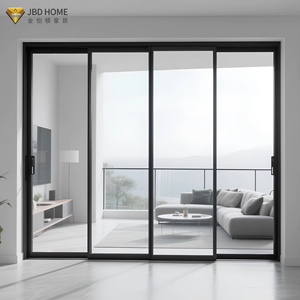
Sliding Glass Doors Black Aluminium High Airtightness Tempered Glass External Aluminum Sliding Glass Door Hurricane Impact
Equipped with triple-track interlock systems for heavy-duty 316 marine-grade mosquito mesh sash insertion. Tested against severe typhoon wind pressure and cyclic air infiltration.
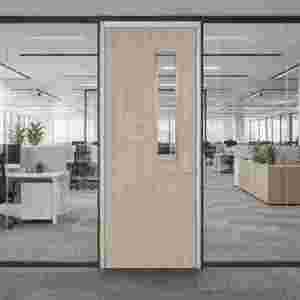
Luxury Bedroom Aluminum Door Waterproof Frame Aluminum Door Suitable for Hotels / Home
Zero-formaldehyde interior aluminum door structure with built-in magnetic flush micro-ventilation fly screen channels, designed for commercial hospitality damp proofing.
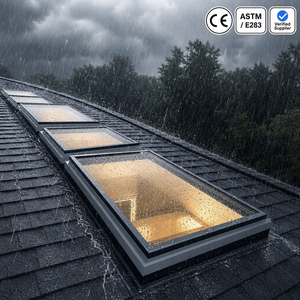
Modern Flat Roof Panoramic Aluminum Skylight Double Glazed Roof Window Energy Efficient Safety Glass Custom Size Frame
Automated motorized pleated accordion insect netting integrated beneath structural glazing, offering bug exclusion and solar heat gain mitigation in luxury villas.
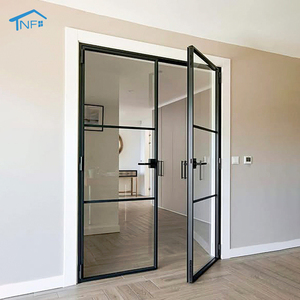
French Design Commercial Swing Soundproof Waterproof Aluminum Double Tempered Glass Casement French Door For Villas Kitchen
Dual-leaf hinged configuration featuring independent outward-swinging security insect screen sash with hidden multi-point locking pins and acoustic EPDM fin seals.
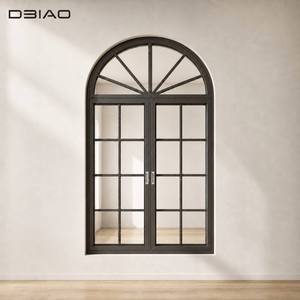
French Style Aluminum Alloy Swing Casement Window Double Tempered Glass Soundproof Thermal Break Frame for Modern Home Bathroom
Integrated 0.8mm high-density woven stainless steel insect screen barrier, functioning simultaneously as a micro-mesh bug shield and an anti-fall safety barrier.
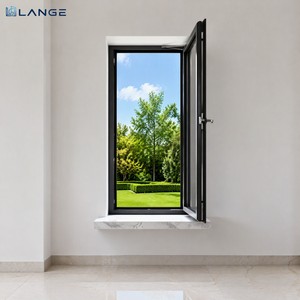
LANGE Luxury CE Certified Thermal Break Aluminum Tilt Turn Casement Windows Aluminum Alloy Windows Inward Opening Windows
Engineered for inward tilt-turn movement with an exterior-mounted snap-fit detachable insect frame, making seasonal screen cleaning and replacement tool-free.
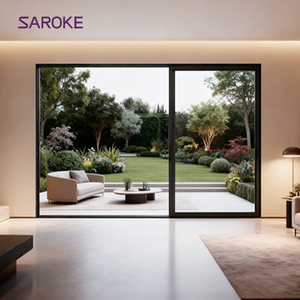
Heavy Duty Lift & Side Thermal Break Double Glazed Low E Glass Aluminum Sliding Door for Villa Balcony and Patio
Built to span monumental 4-meter openings with a decoupled parallel sliding insect door sash, utilizing quad-roller guide bearings for whisper-silent operation.
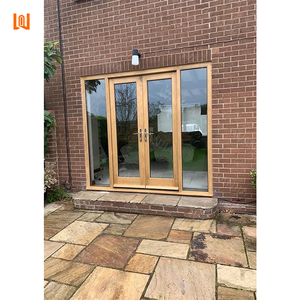
Factory Direct Custom Exterior Front Entry Doors House Residential Aluminum Wood French Doors Patio Aluminum Clad Double Doors
Combines internal architectural timber warmth with external weather-proof aluminum cladding, accommodating custom-tinted bronze mosquito screen inserts.
Guangdong Dejiyoupin Doors and Windows Co., Ltd. (DERCHI)
Ranked among China's Top 10 premium architectural fenestration manufacturers. For over 25 years, our Foshan production facility has engineered custom OEM/ODM aluminum insect screen systems and exterior door assemblies for premier developers and global distributors.

Foshan CNC Machining & Extrusion Complex
Featuring automated robotic profile cutting, 45-degree corner crimping, and high-tension mesh locking assembly lines.
Full-Spectrum OEM Capabilities for Global Supply Chains
We eliminate supply chain bottlenecks through vertically integrated production. From raw 6063-T6 aluminum billet extrusion, automated chemical anodizing, and electrostatic fluorocarbon (PVDF) powder coating, to the precision weaving and pneumatic stretching of stainless steel insect wire cloth—every manufacturing phase remains strictly under our in-house ISO 9001 quality envelope.
Our fenestration assemblies are rigorously evaluated in simulated environmental chambers, verifying compliance with Australian AS 2047 N6 cyclonic testing, European CE mechanical safety ratings, and North American AAMA architectural thresholds. Whether supplying coastal hurricane-resistant estates in Florida, ultra-luxury residential towers in Dubai, or high-density estates in Manila, DERCHI delivers precision tolerance and batch consistency.
The Material Science & Structural Anatomy of OEM Mosquito Doors
A technical white paper on profile alloy selection, wire mesh metallurgy, micro-ventilation acoustics, and corrosion resistance standards in modern fenestration.
Alloy Metallurgy: 6063-T6 vs 6063-T5
Extruded mosquito door frames undergo structural fatigue from continuous wind buffeting and operational cycling. While standard residential screens utilize T5 temper profiles with low yield strengths (approx. 110 MPa), DERCHI enforces primary 6063-T6 architectural grade aluminum with a minimum tensile yield strength of 160–210 MPa.
- Wall Thickness: 1.6mm to 2.2mm heavy-gauge structural sash
- Corner Joints: Heavy internal cast aluminum corner cleats with 2-part epoxy
- Thermal Decoupling: Polyamide PA66GF25 reinforced thermal barriers
Screen Metallurgy: 316 Marine Stainless vs Fiberglass
Insect exclusion requires balancing open area airflow (porosity) with penetration resistance. We fabricate four distinct screening materials to match target geographical climate zones, ranging from humid tropical coastlines to desert sandstorm environments.
- SS316 Security Wire: 0.8mm high-tensile 900MPa anti-cut barrier
- 18×16 Charcoal Fiberglass: High optical clarity, UV-stabilized coating
- Micro-Mesh 20×20: Effective against no-see-ums, midges, and fine sand
Surface Treatments: Qualicoat Class 2 & Anodizing
Unprotected aluminum rapidly oxidizes in coastal or high-humidity regions. DERCHI finishes conform strictly to AAMA 2605 and Qualicoat Class 2 industrial standards, delivering exceptional chemical corrosion resistance against airborne saline mist and industrial pollutants.
- Anodizing Film: Grade AA20 to AA25 (20–25 microns thickness)
- PVDF Electrostatic: 3-coat fluoropolymer baked at 230°C
- Salt Spray Endurance: ASTM B117 neutral salt spray rated >3,000 hours
| Performance Parameter | DERCHI Heavy OEM Aluminum System | Generic Commodity Aluminum Screen | PVC / Vinyl Mosquito Screen Door |
|---|---|---|---|
| Alloy Composition & Temper | Primary 6063-T6 (Virgin Billet) | Recycled / Low-grade 6063-T4 / T5 | Unplasticized PVC (uPVC) with Steel Liner |
| Frame Profile Thickness | 1.6 mm – 2.2 mm (Structural Commercial) | 0.8 mm – 1.0 mm (Thin Residential) | 1.8 mm – 2.5 mm (Thick Vinyl Web) |
| Mesh Attachment Mechanism | Pneumatic Mechanically Clamped Pressure Plate | Friction Vinyl Spline Rubber Cord | Plastic Groove Snap-In Strip |
| Shear & Impact Resistance | Anti-Cut Knife Shear Test (AS 5039 Passed) | Punctures under moderate dynamic pressure | Brittle under low impact; prone to rupture |
| Thermal Expansion Ratio | Low (2.3 × 10⁻⁵ m/m·K) — Zero Frame Sag | Moderate — Warps under sustained sun exposure | High (6.0 × 10⁻⁵ m/m·K) — Frequent binding |
| Wind Pressure Rating | Serviceable up to 4500 Pa (AS 2047 / ASTM E330) | Fails above 1200 Pa (Spline blowout) | Fails above 1500 Pa (Frame distortion) |
Future B2B Procurement Trends in Aluminum Mosquito Doors
Strategic market analysis for fenestration distributors, architectural specifiers, and procurement officers navigating evolving building codes, climate resilience, and supply chain dynamics.
Transition to Integrated Dual-Action Fenestration
Global procurement is shifting decisively away from secondary aftermarket insect screens. Leading contractors now mandate factory-integrated systems where hurricane sliding doors, lift-and-slide patio doors, and casements incorporate dedicated, structurally unified third-rail screen tracks directly into the primary extrusion dies.
BMS-Automated Smart Micro-Screens
Commercial hotels and luxury villas increasingly demand motorized insect barriers automated via dry contact relays and wireless protocols (Matter, Zigbee). Modern screens interface directly with environmental wind and rain sensors, retracting automatically during gale storms to protect the mesh from high gust debris.
Decarbonization & Low-Carbon Aluminum
Institutional developers across the EU and North America now require Environmental Product Declarations (EPD). Sourcing priorities favor manufacturers utilizing hydroelectric-smelted low-carbon primary aluminum billets, reducing embodied carbon to below 4.0 kg CO₂e per kg of finished extrusion.
Optimized CKD & SKD Container Packing
With volatile maritime shipping container freight rates, procurement teams prefer Complete Knock-Down (CKD) and Semi-Knock-Down (SKD) modular kits. DERCHI’s pre-notched profiles and push-fit corner brackets increase ocean container loading volume by up to 260% compared to fully welded pre-hung doors.
Technological Innovations Redefining Insect Screen Engineering
Continuous investment in micro-precision tooling, nanocoatings, and barrier-free ergonomics separates modern industrial insect doors from legacy wire mesh screens.
Electrostatic Nanofiber Anti-Pollen & PM2.5 Filtration
Traditional meshes only stop insects larger than 1.0mm. Next-generation composite insect screens integrate an electrospun nanofiber membrane that blocks airborne pollen, dust mites, and up to 82% of ambient PM2.5 particulate matter while maintaining natural cross-ventilation airflow dynamics inside residential interiors.
Zero-Threshold Flush Track Ergonomics
Eliminating raised floor tracks is critical for high-end hospitality and ADA barrier-free accessibility. Emerging designs deploy recessed magnetic guide pins or caterpillar-chain tracks that retreat entirely flush with finished stone flooring when opened, preventing tripping hazards and dirt accumulation in the track channel.
Hydrophobic & Self-Cleaning Surface Functionalization
Accumulated dust and sand degrade both airflow and aesthetic clarity. Utilizing photo-catalytic titanium dioxide (TiO₂) and superhydrophobic nano-coatings on exterior stainless wire surfaces, rainwater sheets across the mesh to carry away micro-debris automatically without requiring manual pressure washing.
End-to-End OEM/ODM Production & Supply Chain Pipeline
From architectural shop drawing approval to high-volume precision manufacturing, our verified engineering process ensures zero site-fit errors.
CAD/BIM Consultation
Detailed door schedule analysis, wind-load calculation, and profile structural cross-section optimization within 24 hours.
Die Tooling & Extrusion
Custom die fabrication in our Foshan facility, followed by primary 6063-T6 billet heat extrusion and artificial aging ovens.
Finishing & Tensioning
Qualicoat Class 2 electrostatic coating and pneumatic multi-directional robotic tensioning of the marine-grade mesh.
Quality Verification
Dimensional laser calibration, diagonal squareness verification, and 100,000-cycle mechanical sliding hardware stress tests.
Export Crating & Logistics
Steel-reinforced plywood fumigation-free crating, moisture-proof dessicant wrapping, and complete customs documentation for GCC and world ports.
Frequently Asked Questions for Project Specifiers & Importers
In-depth technical answers addressing material integrity, regional compliance, minimum order quantities, and custom hardware configurations.
What mesh gauge and aperture is optimal for coastal villa insect doors?
For coastal environments such as Dubai, Miami, or Sydney, we specify high-tensile 316-grade marine stainless steel wire with a 0.80mm wire diameter and an 11×11 or 12×12 mesh count per square inch. This provides an optimal 42% free-air ventilation ratio, conforms to Australian AS 5039 security screen standards (knife shear and impact resistance), and resists salt-air pitting corrosion far superior to 304-grade steel or standard fiberglass.
Can you manufacture custom extrusion dies for proprietary brand designs?
Yes. Over 60% of our production consists of proprietary OEM/ODM systems. Our tooling workshop fabricates precision extrusion dies based on client 2D DWG/DXF drawings or 3D STEP files in 15–20 working days. First-article trial extrusions and full coating color swatches are dispatched via DHL/FedEx for physical consultant validation before volume batch production begins.
How do you guarantee frame stability under intense desert solar radiation (50°C+)?
In regions like Saudi Arabia, UAE, and Qatar, intense solar radiation causes excessive thermal expansion in substandard metals. We employ PA66GF25 polyamide structural insulation strips to decouple interior and exterior aluminum chambers. Combined with UV-absorbing polyester powder finishes (Qualicoat Class 2), our door profiles retain dimensional stability, preventing thermal bowing, sash binding, or weatherstrip detachment.
What are the packaging standards to prevent scratching during long sea voyages?
Every profile surface is covered with a 60-micron branded UV-protective film. Frames are wrapped in high-density polyethylene foam (EPE), corner-cushioned with reinforced hardboard guards, and secured into customized solid wooden crates constructed from heat-treated, fumigation-certified maritime-grade timber. Moisture-absorbing silica gel bags are distributed throughout to eliminate condensation damage.
What is the minimum order quantity (MOQ) and production turnaround lead time?
For standard architectural colors (Matte Black, Anthracite Grey, Pure White) and existing extrusion profiles, our MOQ is 50 square meters. For custom architectural extrusion dies, the initial die opening threshold starts at 500 kg per shape. Standard batch lead times range from 25 to 35 calendar days following shop drawing sign-off and deposit receipt.
Which locking hardware is supplied with your OEM sliding and swing insect doors?
We supply full hardware suites including German Siegenia, Hoppe, or custom-branded DERCHI stainless steel multi-point mortise locksets. Systems incorporate anti-lift pins, child-safety dual-action thumb-turns, and heavy-duty adjustable double stainless steel rollers rated for up to 150 kg per door sash, ensuring smooth and effortless sliding operation over decades of daily cycles.
Ready to Source High-Performance Custom Aluminum Mosquito Doors?
Partner directly with one of China's Top 10 fenestration manufacturers. Receive full CAD shop drawings, physical material sample boxes, and comprehensive project tender quotations within 24 hours.