Factory Showcase
High-Performance Aluminum Doors & Architectural Enclosures
Explore our certified range of commercial, industrial, and luxury residential roll up and envelope systems directly exported from our 180,000㎡ Foshan manufacturing base.
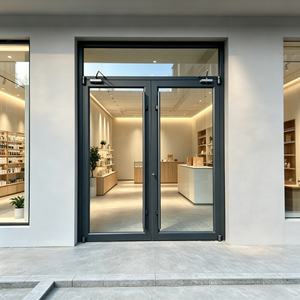
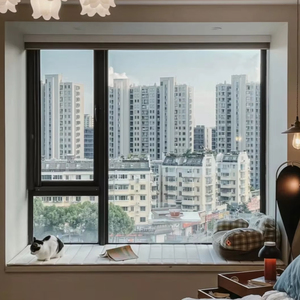
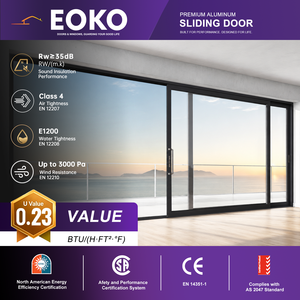
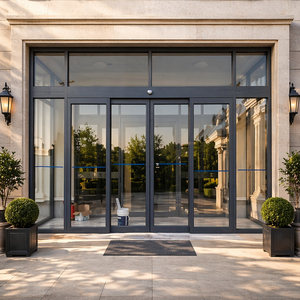
180,000㎡
Intelligent Manufacturing Base
25+
Years Architectural Craftsmanship
30+
Proprietary Technology Patents
100%
Factory-Direct Quality Inspection
Technical Whitepaper: Engineering Criteria for Sourcing Aluminum Roll Up Doors from China
The global demand for high-performance architectural closures has shifted decisively toward precision-extruded aluminum alloys. Commercial distribution hubs, high-end retail fronts, modern logistics parks, and coastal residential estates face rigorous microclimatic pressures: wind shear loads, coastal saline atmospheric corrosion, and strict thermal retention mandates. Sourcing directly from an established China wholesale aluminum roll up doors factory provides global procurement teams with unprecedented customization flexibility, cost efficiencies, and architectural precision—provided that critical engineering variables are rigorously specified.
As leading facade specialists operating out of the Foshan manufacturing cluster, Guangdong Dejiyoupin Doors and Windows Co., Ltd. (DERCHI) bridges the gap between massive scale fabrication and bespoke mechanical integrity. The modern aluminum roll up door is no longer a simple mechanical barrier; it is an integrated thermal, acoustic, and high-security building envelope component.
Structural Metallurgy
Fabricated using architectural 6063-T5 or high-tensile 6005-T6 virgin aluminum billets, guaranteeing strict structural yield strength and minimal profile deflection under severe positive and negative wind pressures.
Thermal & Acoustic Barrier
Dual-walled extruded profiles filled with CFC-free polyurethane (PU) structural foaming, coupled with continuous inter-slat EPDM rubber dampeners to arrest air infiltration and mechanical vibration.
Surface Resilience
Fluoropolymer (PVDF) architectural wet coatings or marine-grade polyester powder coatings exceeding Qualicoat Class 2 criteria, tested for 3,000+ hours of continuous neutral salt spray resistance.
Future Sourcing Trends in the Global Aluminum Roll Up Door Industry
Contractors, facade engineers, and master distributors must adapt to evolving structural codes and sustainability directives. Global supply chain procurement data reveals four transformative shifts defining international roll up door fabrication:
1. Decarbonization and Low-Carbon Aluminum Billets
Tier-1 institutional buyers in Europe, North America, and the GCC region increasingly mandate Environmental Product Declarations (EPDs). Sourcing now evaluates whether primary Chinese mills use hydro-powered smelting processes to achieve low embodied carbon footprints (<4.0 kg CO2e per kg of primary aluminum) without compromising tensile elongation or tensile yield strength.
2. Smart Automation and Direct BMS Protocol Integration
Modern commercial rolling shutters must interface seamlessly with central Building Management Systems (BMS). Today's procurement specifications require native industrial motor compatibility: RS485 interfaces, Modbus protocols, and high-frequency obstacle detection loops that operate continuously without external converter modules.
3. Extreme Climate Adaptation: Wind Loads and Coastal Shielding
Projects situated in typhoon belts, extreme desert heat corridors (such as Saudi Arabia and the UAE), and oceanfront marinas require heavy-duty windlock end clips. These structural steel or reinforced nylon retainers mechanically anchor the curtain profile into deep-pocket extruded vertical guide rails, preventing premature curtain blowout at wind forces exceeding 2.5 kPa.
Material Comparison Matrix: Extruded Aluminum vs. Galvanized Steel Roll Up Doors
Understanding the life-cycle cost (LCC) and physical characteristics between traditional steel roll up solutions and high-grade extruded aluminum systems is essential for strategic project budgeting.
| Performance Vector | Architectural Extruded Aluminum (DERCHI) | Standard Galvanized Roll-Formed Steel |
|---|---|---|
| Corrosion Mechanism | Passivating oxide layer; immune to red rust, ideal for high humidity and coastal zones. | Sacrificial zinc coating; degrades rapidly once scratched, causing localized core oxidization. |
| Structural Weight / Drive Torque | Up to 45% lighter; drastically reduces motor strain, cycle friction, and shaft bearing wear. | Heavy curtain mass; demands oversized commercial motors and heavier counterbalanced springs. |
| Acoustic Decibel Reduction | Superior: 18-24 dB attenuation achievable via PU-insulated slats and brush guide seals. | Poor to Moderate: Higher mechanical rattle noise during operation and high-wind buffeting. |
| Aesthetic Versatility | Supports high-micron anodizing, bespoke PVDF powder, and realistic thermal woodgrain transfer. | Limited primarily to standard coil liquid paint or industrial primer coatings. |
| Maintenance Cycle | Minimal periodic greasing required; zero curtain repainting over 15-20 year lifecycles. | Frequent tension spring recalibrations and periodic anti-rust maintenance treatments. |
Enterprise Advantages: Why Partner with DERCHI Factory Directly
Guangdong Dejiyoupin Doors and Windows Co., Ltd. (DERCHI) stands among China’s elite Top 10 door and window manufacturers. Operating out of our specialized 180,000-square-meter facility in Nanhai District, Foshan, our multidisciplinary engineering teams supply architectural entrance solutions worldwide.
180,000㎡ Production Footprint
Integrated automated extrusion lines, precision CNC multi-axis milling, automated PUR insulation injection, and multi-line cleanroom assembly guarantee massive monthly production bandwidth.
Global Code Compliance
Our solutions hold 8 major international accreditations including CE, ISO 9001, AS 2047 (Australian N6 maximum load compliance), and UL fire-rated certifications for seamless local submittals.
Engineering Customization
Complete project-specific shop drawings, structural windload calculations, and custom extrusion tooling delivered by senior facade engineers within 24 hours of inquiry receipt.
Frequently Asked Questions (FAQ) for B2B Importers & Contractors
What specific aluminum alloy profiles does DERCHI utilize for commercial roll up doors?
We primarily specify architectural 6063-T5 aluminum alloy for standard and thermally broken insulated slats due to its exceptional structural integrity, smooth extrusion surface, and superior finishing qualities. For heavy industrial installations, wide clear openings (>6000mm), or high wind zones, we implement reinforced 6005-T6 structural alloys coupled with heavy-gauge internal stiffeners.
How are aluminum roll up doors packaged to prevent surface abrasion during ocean freight?
Each individual extruded curtain slat is wrapped in protective, non-staining polyethylene film. Complete rolling curtains are secured with reinforced tension banding, padded with multi-layer high-density pearl cotton foam, and packed inside custom-engineered, fully-enclosed solid fumigated plywood crates. Guide channels and motorized drive shafts are packaged separately in rigid steel-reinforced boxing.
Can DERCHI roll up systems be integrated with smart access and building automation?
Yes. Our intelligent drive units support versatile protocol integrations including dry contacts, RS485, and Wi-Fi/Zigbee gateways. Systems can be commanded via industrial radar sensors, floor loop detectors, wireless multi-channel remotes, RFID badge readers, and central BMS master consoles.
What is the standard production lead time for full container load (FCL) orders?
Standard production runs for full container loads (20GP/40HQ) range from 20 to 28 working days following CAD shop drawing sign-off and finish sample approval. Fast-track production lines are available for time-sensitive commercial projects.
How does your factory ensure wind resistance compliance for coastal installations?
We engineer deep-guide structural side channels with reinforced windlock retaining tracks. The curtain slats incorporate heavy-duty cast aluminum or steel end clips that physically prevent curtain disengagement under excessive negative atmospheric pressures. Systems are verified via AS 2047 and CE wind load test chambers.