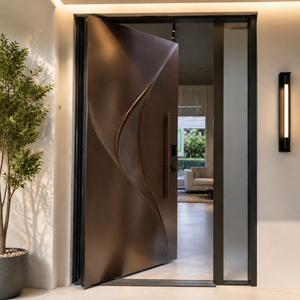
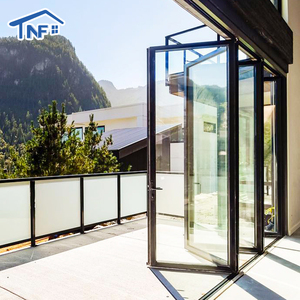
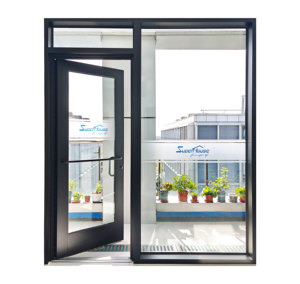
Featured Aluminium & Fibre Door Systems
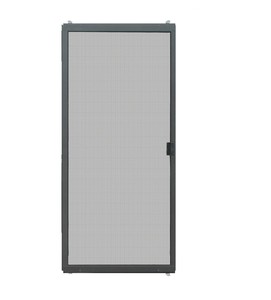
Direct factory configurations manufactured with high-tensile 6063-T6 thermal barrier aluminium, UV-stabilized fiberglass screening, multi-point lock matrices, and precision European hardware systems.
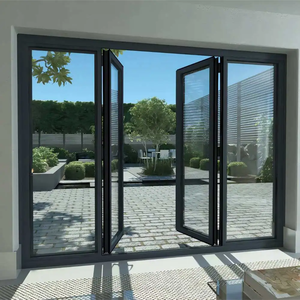
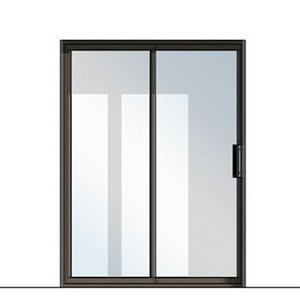
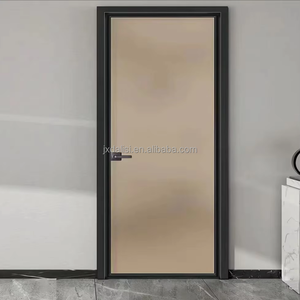
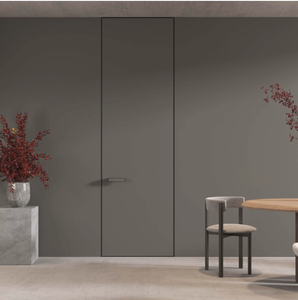
180,000㎡
Smart Manufacturing Base
25+ Yrs
Precision Fenestration Expertise
600+
Engineers & Master Technicians
100+
Patents & Global Certifications
Technical Whitepaper
Engineering Architecture of Aluminium Fibre Composite Doors
In high-performance building envelopes, conventional timber systems suffer from hygroscopic swelling, organic decay, and fire vulnerability, while standard non-insulated steel doors create severe thermal bridges leading to condensation and soaring HVAC loads. The modern Aluminium Fibre Door architecture addresses these physical limitations through a synergized multi-material composite matrix. By integrating aerospace-grade 6063-T6 extruded aluminium profiles with reinforced structural fiberglass polymers and polyamide thermal isolators (PA66 GF25), manufacturers create an exterior entry and partition assembly capable of exceeding the world's most stringent building performance standards.
Our composite doors utilize an exterior and interior structural core formed from marine-grade architectural aluminium, protected by fluorocarbon (PVDF) or Class 2 architectural powder coatings exceeding AAMA 2604/2605 ratings. For fenestration units featuring screen and ventilation inserts, high-tensile fiberglass micro-mesh coated with polyvinyl chloride resins ensures superior dimensional stability, non-combustibility, optical clarity, and unmatched resistance against airborne salinity, sandblast erosion, and high solar UV indices.
| Performance Characteristic | Aluminium Fibre Composite Systems | Standard Non-Broken Aluminium | Hardwood / Engineered Timber |
|---|---|---|---|
| Thermal Transmittance (U-Value) | 1.2 - 1.8 W/m²·K (Thermally Broken Core) | > 4.5 W/m²·K (Severe Thermal Bridging) | 2.2 - 3.0 W/m²·K (Degrades with Age) |
| Dimensional Expansion Coefficient | Minimal (ΔL < 0.08% at ΔT=60°C) | Moderate (Subject to Solar Bimetallic Bowing) | High (Moisture Expansion > 3.5%) |
| Corrosion & Salt Spray Resistance | Passes ASTM B117 > 3,000 Hours Salt Spray | Passes 1,000 Hours (Prone to Pit Corrosion) | Rot, Fungal Decay, Termite Vulnerability |
| Acoustic Isolation Rating | Rw 38 - 45 dB (Multi-Chamber + Laminated) | Rw 25 - 30 dB | Rw 30 - 34 dB |
| Wind Pressure Resistance | Certified up to AS 2047 N6 / ASTM E330 | Standard Commercial Grade | Variable / Frame Warping Risk |
Procurement Intelligence
Future Sourcing & Procurement Trends (2025–2030)
Strategic market analysis for developers, MEP contractors, and commercial procurement heads navigating the evolving regulatory and architectural landscape.
1. Decarbonization & Low-Carbon Aluminium
Global green building rating systems (LEED v4.1, BREEAM, Estidama, and Mostadam) now mandate low embodied carbon door profiles. Procurement strategies increasingly prioritize suppliers utilizing hydro-powered recycled billet aluminum (circular alloys with certified EPDs) to reduce Scope 3 carbon footprint across large developments.
2. IoT Smart Integration & Biometrics
Modern residential and commercial developments demand concealed electric mortise latches compatible with Matter, Zigbee, and building automation controllers (BMS). Embedded fingerprint biometric recognition, 3D facial scanning, and remote cloud access are becoming standard base-specifications rather than aftermarket additions.
3. Oversized Pivot Engineering
Contemporary architectural paradigms demand grand visual statements—doors exceeding 3.5 meters in height and 2.0 meters in width. Engineering these massive spans requires balanced floor pivots capable of supporting 500kg+ leaves with smooth, zero-clearance hydrodynamic damping and wind-stabilized perimeter sealing.
Industrial Innovations
Technological Trajectories in Aluminium & Fibre Composite Manufacturing
How advanced tooling, automated extrusion, and composite science are redefining long-term durability in extreme coastal, desert, and urban environments.
Anti-Bimetallic Engineering
Doors facing 50°C solar direct radiation on the exterior face while maintaining 22°C air-conditioned interior temperatures experience extreme delta-T warping. Our split-cavity profile geometry with sliding insulating struts isolates thermal expansion forces to eliminate deflection.
Polymer Hybrid Core Infill
Replacing traditional hollow chambers with high-density polyisocyanurate (PIR) or hydrophobic mineral fiber panels provides Class A fire retardancy, eliminates condensation within profile cavities, and increases sound transmission loss up to STC 42.
Nano-Ceramic Surface Treatments
Pre-treatment with zirconium conversion coatings followed by high-durability fluoropolymer baking creates an impermeable barrier against maritime hydrochloric acid, airborne particulates, and sand abrasion, maintaining color depth for over 25 years.
Micro-Woven Fibre Screening
Advanced fiberglass strands with warp-knitted tensioning provide anti-fray tensile strength exceeding 380N, blocking 99% of airborne insects and airborne desert particulate matter without obstructing laminar ventilation or ambient daylighting.
Procurement Intelligence
Frequently Asked Questions (FAQ) for Global Buyers
Clear, technically verified guidance addressing the real commercial and structural concerns of engineering contractors, architectural consultants, and procurement managers.
How do aluminium fibre composite doors withstand high UV and 50°C temperatures?
Our aluminium profiles feature PA66 GF25 thermal break barriers engineered with a coefficient of thermal expansion similar to aluminium, preventing structural separation. Coated with Qualicoat Class 2 powders or PVDF resin finishes, the surface does not chalk, crack, or fade under high solar irradiance. Weather gaskets utilize vulcanized EPDM that retains elasticity between -40°C and +120°C without shrinkage.
What international fenestration and structural certifications can you provide?
DERCHI products undergo rigorous third-party validation and carry ISO 9001, CE marking (EN 14351-1), NFRC thermal performance ratings, and Australian AS 2047 N6 certification (wind pressure, water penetration, and air infiltration). Furthermore, we manufacture fire-rated pivot and entry assemblies tested to UL 10C and BS 476 Part 22 standards, accompanied by full submittal documentation.
Can you provide custom engineering shop drawings and BIM models?
Yes. Our in-house engineering team provides complimentary 2D CAD shop drawings, section details, structural load calculations, and 3D BIM (Revit/IFC) files tailored to your architectural door schedule. Production commences only after consultant, facade engineer, and contractor sign-off on dimensions, opening swings, and anchoring details.
What is your export packaging standard to prevent transit damage?
Doors are wrapped in multi-layer PE surface protective films, corner-buffered with high-density EVA shock absorption blocks, sealed within moisture-proof vacuum polybags, and fully crated in fumigated solid-timber or steel-reinforced plywood export boxes. Every container is systematically chocked and strapped to endure maritime turbulence and multi-modal handling.
Partner Directly with China’s Leading Door Manufacturer
Operating a 180,000㎡ smart manufacturing base with over 600 skilled technicians, DERCHI delivers factory-direct pricing, uncompromising engineering rigor, and end-to-end project support for developers and builders across the Americas, GCC, Australia, and Europe.