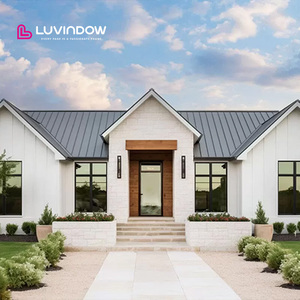
Architectural Product Line
Engineered Concertina & Glazing Systems
Explore our precision-crafted wholesale portfolio—engineered for acoustic attenuation, extreme wind loads, thermal barriers, and architectural seamlessness across commercial and residential developments.
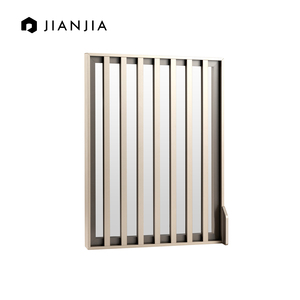
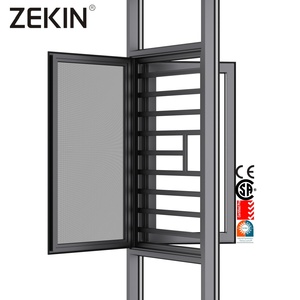
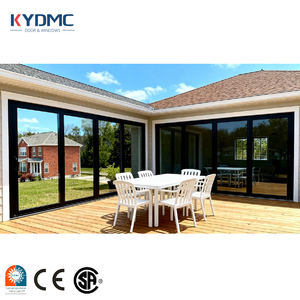
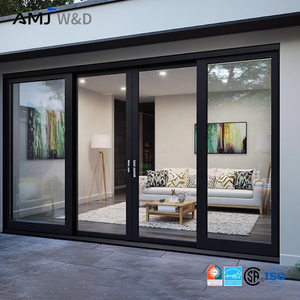
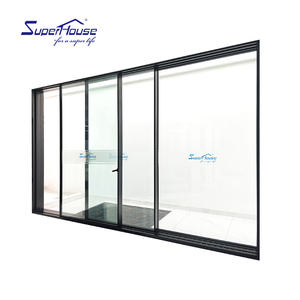
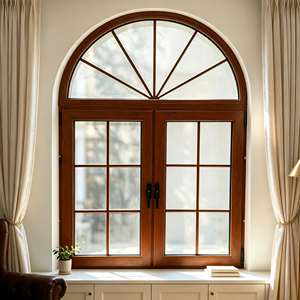
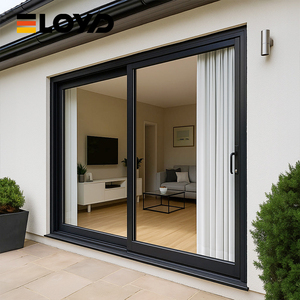
Require custom panel configurations, multi-angle corner folding, or CAD engineering shop drawings?
Send an Inquiry
Engineering Whitepaper
Structural Mechanics and Metallurgy of Aluminium Concertina Doors
Aluminium concertina doors (frequently specified as architectural bifolding or accordion façade systems) represent one of the most mechanically demanding categories within modern envelope fenestration. Unlike standard sliding or hinged doors, concertina systems distribute dynamic dead loads, wind pressures, and torsional stress across an articulated train of hinged stiles rolling along a continuous overhead track or bottom sill guide.
As an established Chinese OEM/ODM manufacturer, our manufacturing protocol enforces structural 6063-T5 and 6063-T6 aerospace-grade virgin aluminium alloy extrusions. Profile wall thicknesses are strictly maintained between 2.0mm and 3.0mm along critical load-bearing vertical mullions and roller carriage rails. This structural integrity guarantees that multi-panel assemblies (up to 12 leaves operating on continuous spans exceeding 10 meters) resist lateral wind deflection in excess of 3000 Pa (N6 cyclonic ratings under AS2047) without jamming, binding, or seal rupture.
Thermal Separation Technology (Polyamide PA66 GF25)
Energy performance in contemporary fenestration requires eliminating the conductive bridge inherent to light-metal alloys. Our concertina door series utilizes dual multi-chambered Polyamide PA66 reinforced with 25% glass fiber (PA66 GF25) thermal break barriers. This structural insulation achieves an ultra-low linear thermal transmittance (Ψ), enabling overall system U-values as low as 1.4 W/(m²·K) when integrated with argon-gas-filled Low-E insulated glass units (IGUs).
In desert climates such as the GCC (Saudi Arabia, UAE, Qatar) where external skin temperatures surpass 60°C, and conversely in sub-zero Scandinavian or Canadian winters, the co-extruded thermal breaks maintain mechanical equilibrium, completely mitigating the risk of profile bow caused by bi-metallic temperature differentials.
Multi-Point Deadlock Security
Interlocking mushroom-head cams, 25mm shootbolts, and anti-drill cylinder shields exceeding European RC2/RC3 burglar-resistance standards.
Smooth Rolling Kinematics
Quad-wheel stainless steel SUS316 bogie rollers running in precision aluminum guide channels, rated for 150,000 opening cycles without degradation.
Hermetic Multi-Level Sealing
Dual continuous vulcanized EPDM weather gaskets along stiles, interlocking astragals, and integrated brush seals preventing air leakage and dust infiltration.
Acoustic Decibel Damping
Acoustic laminated glazing with polyvinyl butyral (PVB) acoustic interlayers dampens external noise pollution up to STC 42dB / Rw 43dB.
Engineering Specifications
Comprehensive Engineering Matrix for Procurement Teams
Direct comparative parameters indicating structural, thermal, and meteorological envelope capabilities of our wholesale concertina manufacturing lines.
| Performance Metric | Test Standard | Factory Baseline Value | Architectural High-Performance Option | Procurement Advantage |
|---|---|---|---|---|
| Aluminium Alloy & Temper | GB/T 5237 / ASTM B221 | 6063-T5 Virgin Ingot | 6063-T6 / High Structural Load | Zero Scrap Contamination |
| Thermal Transmittance (U-Factor) | NFRC 100 / EN ISO 10077 | 2.2 W/(m²·K) (Standard Break) | 1.35 – 1.6 W/(m²·K) (Argon IGU + Warm Edge) | LEED & Green Star Certified |
| Wind Pressure Resistance | AS 2047 Serviceability / ASTM E330 | 2,500 Pa (Deflection Class L/250) | 4,500 Pa Cyclonic Proof (Ultimate 6,000 Pa) | Coastal & High-Rise Approved |
| Air Infiltration Tightness | ASTM E283 / EN 12207 | Class 3 (≤ 1.5 m³/(h·m²)) | Class 4 (≤ 0.5 m³/(h·m²)) Dual Compression | Dust & Sandstorm Impermeable |
| Water Penetration Resistance | ASTM E331 / EN 12208 | 450 Pa (Static Pressure Head) | 900 Pa Integrated Sub-Sill Cascade Drain | Zero Internal Inundation |
| Acoustic Attenuation (Rw / STC) | ISO 717-1 / ASTM E413 | Rw 32 dB (Double Glazed 6+12A+6) | Rw 42 dB (Acoustic Laminate 6+0.76PVB+6+12A+6) | Hospitality & Urban Isolation |
| Hardware Cycle Life Expectancy | AAMA 910 / EN 13126-15 | 50,000 Verified Duty Cycles | 150,000 Heavy Commercial Roller Cycles | 15-Year Performance Warranty |
Strategic Market Intelligence
Future Procurement & Design Trends in Aluminium Concertina Systems
Anticipate shift dynamics across global real estate specifications, green building codes, and intelligent home automation from 2025 to 2030.
1. Motorized Micro-Drive Automation
B2B buyers are experiencing surges in automated concertina procurement. Concealed linear actuators and brushless DC servomotors embedded directly into the overhead jamb allow effortless control of massive multi-panel spans via KNX, Crestron, or wireless protocols with automated obstacle anti-pinch safety sensors.
2. Ultra-Slim Panoramic Sightlines
Traditional bifold stiles typically exceed 140mm in combined face width. Next-generation designs reduce interlocking stile width down to 88mm–98mm without diminishing structural moment of inertia (Ix/Iy). This provides up to 12% greater glass surface area, maximizing daylight autonomy for luxury residences.
3. Zero-Threshold Flush Universal Access
In compliance with universal barrier-free building regulations (ADA and international elderly care mandates), market procurement has shifted rapidly toward sub-surface recessed sills. Hidden drainage slots allow 0mm transitions between indoor floor tiling and external exterior decks without sacrificing water resistance.
4. Circular Metallurgy & Low-Carbon Aluminium
European and North American institutional developers now enforce carbon footprint documentation via Environmental Product Declarations (EPDs). Forward-thinking Chinese extruders utilize hydroelectric or renewable-powered smelting, cutting embodied carbon emissions to less than 4.0 kg CO2e per kg of finished aluminium.
5. Floating Corner (90-Degree) Openings
Modern architects favor cantilevered building designs without structural corner posts. Innovative dual-track concertina configurations fold away from a perpendicular meeting angle, opening two full walls simultaneously to deliver unobstructed, panoramic indoor-outdoor integration.
6. Marine-Grade PVDF & Fluorocarbon Finishes
Harsh coastal environments require rigorous surface treatments. The adoption of 3-coat Qualicoat Class 2 and AAMA 2605 fluorocarbon (PVDF) electrostatic coatings guarantees over 25 years of resistance against salt-spray corrosion, chemical pitting, chalking, and UV degradation.
Manufacturer Advantage
Guangdong Dejiyoupin Doors and Windows (DERCHI)
Recognized among the Top 10 door and window manufacturing leaders in China, delivering complete architectural solutions backed by 25+ years of engineering mastery.
180,000㎡
Smart Production Campus
600+
Engineers & Craftsmen
100+
Global Patents & Certs
50+
Export Destination Countries
International Certifications
Full compliance credentials including AS2047 (Australia), CE Marking (EN 14351-1 Europe), ISO 9001 quality management, NFRC energy ratings, and UL fire test verifications.
End-to-End OEM/ODM Production
Integrated profile precision cutting, 5-axis CNC machining centers, automated glass lamination, robotic powder coating lines, and full dry-fit factory trial assembly.
Free CAD & Structural Shop Drawings
Our dedicated structural engineering team provides complete elevation drawings, anchor load calculations, and BIM Revit files for developer and architect submittals.
Procurement Guidance
Frequently Asked Questions for B2B Importers & Contractors
In-depth technical answers addressing risk management, building codes, hardware mechanics, and international sea-freight logistics.
What are the maximum panel dimensions and weights possible for concertina doors? +
Under standard commercial configurations, individual concertina panels can be manufactured up to 1,200mm in width and 3,500mm in height. For specialized oversized architectural designs, our heavy-duty top-hung tracks and high-tensile steel tandem rollers accommodate sash weights up to 150 kg per panel, allowing configurations that span up to 4,200mm in panel height. Clear openings of over 15 meters can be achieved by utilizing a 7-left / 7-right 14-panel split opening layout.
Top-hung vs. bottom-rolling mechanisms: Which should be specified for your project? +
Top-hung systems bear the panel weight on the overhead lintel or structural beam, keeping the bottom guide free from heavy load. This allows ultra-low, flush thresholds and smooth gliding. However, it requires a certified structural steel lintel or concrete beam engineered to resist downward live/dead deflection. Bottom-rolling systems transfer the dead load onto the building slab, which is ideal when overhead structural lintels cannot support high dynamic weights; the top guide channel then only handles lateral wind pressure stabilization.
How does your factory ensure water tightness under hurricane or monsoon storm conditions? +
We employ a stepped, high-performance rebated sill equipped with internal drainage channels and one-way gravity weep valves that prevent water backup during heavy winds. Continuous vulcanized EPDM compression gaskets run unbroken across all hinges and stile intersections. Our products are tested to AS2047 and ASTM E331, successfully preventing water penetration under continuous cyclic pressure up to 600–900 Pa.
What surface finish standard is recommended for coastal or harsh desert microclimates? +
For locations within 3 km of the sea (e.g., Dubai waterfronts, Florida, Sydney coast) or desert environments with extreme UV exposure, we specify Qualicoat Class 2 certified powder coatings or AkzoNobel fluorocarbon (PVDF / PVF2) finishes. These finishes have a dry film thickness ≥ 40 microns, passed 3,000-hour neutral salt spray tests, and resist chalking, blistering, and color shift for 20+ years.
What are the lead times for custom bespoke shop drawings and production? +
Following receipt of structural opening schedules, our design office issues comprehensive CAD and structural calculations within 24 to 48 hours. Upon signed shop drawing approval and color swatch verification, standard container fabrication lead time is 25 to 30 business days. Expedited fast-track manufacturing is available for urgent commercial building deadlines.
How are oversized fragile glazed folding doors packaged to eliminate sea-freight transit damage? +
All doors undergo full factory pre-assembly and hardware calibration before being packed. Finished panels are wrapped in high-density polyethylene protective film, padded with shock-absorbing honeycomb corner guards, and enclosed in fully sealed ISPM-15 compliant fumigated solid plywood crates. Glass panes feature specialized rubber separation pads to withstand lateral G-forces encountered during ocean container transport.
Can your concertina door systems achieve thermal compliance in cold climate zones? +
Yes. For cold climatic regions (such as North America, Northern Europe, and alpine areas), our ultra-thermal series features 34mm wide multi-cavity PA66 GF25 thermal break strips paired with triple-glazed IGUs (e.g., 6mm Low-E + 12A + 6mm Clear + 12A + 6mm Low-E) with warm-edge composite spacers and 90% argon gas fill. This setup achieves verified center-of-glass Ug values of 0.7 W/(m²·K) and an overall door system Uw under 1.2 W/(m²·K).