Engineered Architectural Profiles & Cabinet Systems
Manufactured using aerospace-grade 6063-T5 aluminum alloys with advanced surface passivation, our integrated door and cupboard framing assemblies are engineered to resist chemical deterioration, extreme thermal cycles, and high humidity.
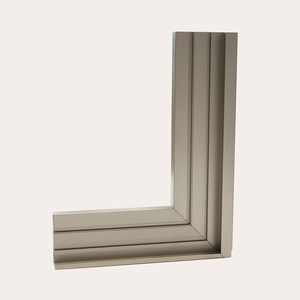
Made In Italy Commercial Excellent Durability Aluminum Window Frame Profile With 4 Mm Tempered Glass
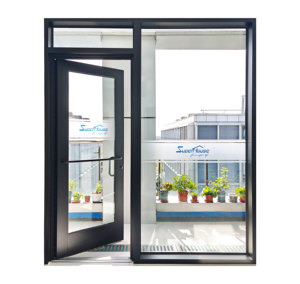
Modern Commercial Casement Security Door Aluminum Alloy with Fiberglass Screen Netting for Store and Escape Use
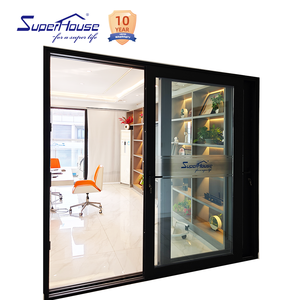
California Title 24 Thermal Break Aluminum Lift Slide Door Double Glazed Anti-UV Waterproof Patio Balcony Entry Door
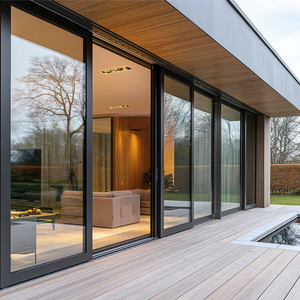
Modern High-quality Double Glazed Aluminum Sliding Patio Exterior Glass Back Door System Sound Insulation Water Hospital Hotel
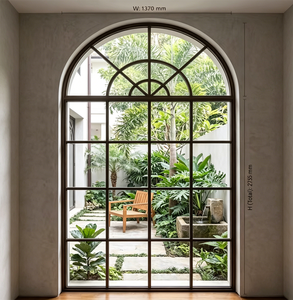
Contemporary Arched Aluminum Window With Powder Coating and Customized Colors for Residential Building
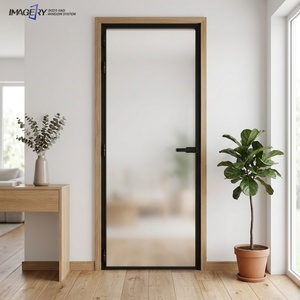
Minimalist Style Extremely Narrow Frame Casement Aluminum Door Soundproof Interior for Kitchen Bathroom
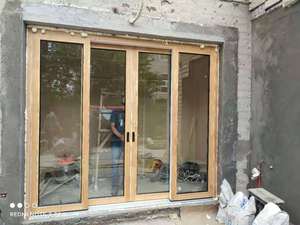
Luxury Villa Al-clad Wood Lift Sliding Doors Matte Satin Finish Precision Assembly Anti-deformation Clad Wood Patio Doors
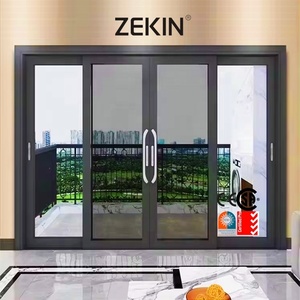
Modern Design NFRC AS2047 Sliding Patio Door Customized Size Aluminum Double Glass Sliding Door with Mesh Screen
The Paradigm Shift in Modern Cabinetry: Why Aluminium Surpasses Traditional Wood Substrates
In modern high-traffic residential and commercial developments, traditional medium-density fiberboard (MDF), particleboard, and solid timber cupboard fronts present critical vulnerabilities: swelling caused by ambient moisture, volatile organic compound (VOC) emissions, delimitation of polymer foils, and susceptibility to fungal infestations. Sourcing engineers and interior architects globally are standardizing on precision-extruded aluminium kitchen cupboard doors and cabinet assemblies to eliminate life-cycle structural degradation.
Aluminium profiles manufactured from metallurgical grade 6063-T5/T6 provide an unmatched strength-to-weight ratio. Through computerized direct-extrusion presses and multi-stage aging ovens, tensile strength is elevated beyond 205 MPa, guaranteeing structural planar stability across door heights exceeding 3000 mm without torsion, warpage, or sagging over decades of intensive culinary use.
"By integrating anodic oxidation layers up to 25 microns or Qualicoat Class 2 certified thermoset fluorocarbon powders, aluminium kitchen cupboard doors achieve inert resistance to grease spatter, alkaline detergents, steam, and direct thermal radiation from industrial cooktops."
Furthermore, the integration of ultra-narrow aluminium frame profiles (with visible sightlines as minimal as 12 mm to 18 mm) accommodating European toughened safety glass, fluted acoustic glazing, ceramic porcelain slabs, or sintered stone creates an architectural vernacular aligned with contemporary European minimalism.

Why DERCHI Is the Primary Tier-1 Supplier for International EPCs & Millwork Fabricators
Operating out of the primary aluminium processing capital of Foshan, Guangdong, Guangdong Dejiyoupin Doors and Windows Co., Ltd. (DERCHI) combines over 25 years of engineering mastery with an export footprint spanning North America, the GCC, Europe, and Oceania.
High-Capacity Smart Fabrication
With an integrated footprint of 180,000 square meters, our facility houses multi-axis CNC machining stations, automatic MITRE saws, robotic corner crimping machines, and vertical dust-free electrostatic powder coating lines. We output over 25,000 bespoke cabinet and joinery units every month with micron-level tolerances.
Rigorous International Certifications
All systems undergo rigorous cyclic durability, wind load, air leakage, and salt-spray testing. Certified compliant under CE, ISO 9001, Australian AS 2047, and North American NFRC/WDMA protocols, our submittal packages effortlessly pass rigorous third-party engineering audits.
Full-Spectrum OEM / ODM Engineering
From architectural CAD shop drawings to customized tooling dies for proprietary handle-less profiles (J-pull, G-profile, and 45-degree bevel chamfers), our R&D technical division provides end-to-end design verification, mockups, and BIM models within 48 hours.
Engineering Matrix: Aluminium Profiles vs. Traditional Cabinet Materials
Comprehensive empirical comparison illustrating mechanical, environmental, and thermal characteristics critical for multi-family towers, high-end hospitality fit-outs, and luxury villa projects.
| Performance Vector | DERCHI 6063-T5 Aluminium Cupboard Doors | High-Pressure Laminate (HPL) / MDF | Polyvinyl Chloride (PVC) Wrapped Particleboard | Solid Hardwood Joinery |
|---|---|---|---|---|
| Moisture Absorption & Swell Rate | 0.00% (Totally impervious to steam, standing water, and direct moisture) | 6% - 14% (Prone to edge swelling and core blowing over time) | 8% - 18% (Vulnerable at micro-cracks and corner seams) | 5% - 12% (Continuous dimensional expansion/contraction) |
| VOC & Formaldehyde Off-Gassing | Zero Emissions (E0/ENF equivalent); 100% inert metallic composition | Class E1 / E2 common; emits urea-formaldehyde adhesive fumes | Contains phthalates, chlorine stabilizers, and resin adhesives | Low if untreated; high if finished with solvent-based lacquers |
| Fire Retardancy & Combustibility | Class A1 Non-Combustible (Melting point >660°C; zero flame spread) | Class B2 or B3 (Readily combustible; releases toxic black smoke) | Thermoplastic melting; releases hydrochloric acid vapors | Class C or D (High fuel load in culinary fire events) |
| Planar Stability (H > 2700mm) | Zero Deflection; reinforced internal corner keys & tie rods | Requires external surface tension straighteners; high bow risk | High warpage probability under varying thermal gradients | Severe cupping and bowing without specialized cross-lamination |
| Environmental Circularity & ESG | 100% Infinitely Recyclable without alloy property degradation | Difficult to downcycle; predominantly relegated to landfills | Non-biodegradable; non-recyclable composite waste | Renewable if sustainably harvested, but involves deforestation risks |
Strategic Sourcing Trends in Aluminium Cupboard Doors (2025–2030)
Global procurement teams operating within real estate development, hospitality fit-out, and pre-fabricated modular construction are actively recalibrating their supply chain networks. Through quantitative analysis of import data across North America, Europe, Australia, and the Middle East, four defining procurement dynamics have emerged:
1. Decarbonized & Low-Carbon Aluminium Mandates
With the implementation of the European Union’s Carbon Border Adjustment Mechanism (CBAM) and global ESG scoring, institutional buyers increasingly mandate primary billets melted via hydroelectric or solar-powered smelters. Sourcing from manufacturers utilizing certified green ingots reduces Scope 3 embodied carbon footprint by up to 65%.
2. Micro-Anodized Architectural Textures
Glossy and heavy-metallic finishes have given way to ultra-matte satin, micro-sandblasted (180# grit), and deep electrolytic architectural hues: Champagne Titanium, Brushed Carbon Gray, Matt Noir, and Bronze Sepia. These multi-stage coatings offer anti-fingerprint nanocoatings that streamline cleaning protocols in open-plan culinary environments.
3. Structural Fusion with Smart IoT Hardware
The modern cupboard door is no longer passive. Modern specifications require profiles pre-machined with internal wiring raceways, integrated magnetic micro-switches, and diffused 45-degree channels for concealed 24V LED strip lighting. Concealed 3D hinges, flush damper catches, and touch-to-open servo actuators are integrated directly at the factory level.
Innovative Configurations Shaping Contemporary Architecture
From residential penthouses to boutique hotel serveries, aluminium cupboard door assemblies have expanded into specialized sub-architectural typologies.
Ultra-Slim Profile Glazed Doors
Utilizing visible frame widths of merely 16mm to 20mm with engineered back-spline gaskets. Accommodates 4mm to 5mm toughened decorative glass (Moro grey, bronze tint, reeded/fluted, wire mesh laminate) creating sophisticated display vitrines and wine pantry modules.
Porcelain & Sintered Stone Honeycomb Panels
To achieve monolithic stone aesthetics without prohibitive weight, ultra-thin 3mm–6mm sintered stone slabs are thermally vacuum-bonded to an aerospace-grade aluminium honeycomb core framed within a perimeter aluminium protective profile, reducing hinge stress by over 60%.
Full-Aluminium Moisture Sealed Cabinets
In tropical regions, coastal marine settings, and basement bar areas, our complete all-aluminium carcase and door configurations eliminate wood entirely. Precision CNC corner-cleated joining methods guarantee structural rigidity under relentless ambient humidity.
Frequently Asked Questions for B2B Importers, Architects & Contractors
Comprehensive answers clarifying engineering standards, packaging integrity, lead times, and customization protocols for international projects.
What aluminium alloy grade and temper does DERCHI specify for kitchen cabinet door profiles?
We exclusively utilize 6063-T5 or 6063-T6 virgin architectural alloy billets. This metallurgical standard guarantees optimal extrusion surface smoothness, high mechanical toughness, and consistent anodic responsiveness, preventing grain boundary pitting or metallurgical cracking during precision CNC miter processing.
Can the door profiles be pre-machined to match proprietary European concealed hinges?
Yes. We regularly execute automated CNC routing for specialized European hardware brands including Blum (e.g., Onyx Black Clip Top Blumotion, Cristallo hinges), Salice (Air concealed pivots), Grass, and Hettich. Clients provide the hardware schedule, and our engineering team incorporates parametric mortising into the CAD/CAM production line.
What surface treatment options are available to withstand aggressive kitchen grease and steam?
Our surface treatment portfolio includes Class 2 anodic oxidation (15-25μm thickness) resistant to chemical discoloration, fluoropolymer (PVDF) electrostatic coatings, and AkzoNobel Interpon architectural powder finishes with over 3,000 hours of continuous neutral salt spray resistance (ASTM B117 compliant).
How do you prevent transit abrasion and glass breakage during multi-modal ocean freight?
Every door panel is wrapped in low-tack protective polymer films, corner-shielded with high-density EVA shock absorbers, isolated with foam separators, and crated inside fumigated marine plywood cases reinforced with steel strapping. Fragile and oversized glass door modules feature integrated silica desiccant pouches to mitigate maritime condensation.
What is the typical Minimum Order Quantity (MOQ) and production lead time for custom extrusions?
For standard catalogue frame profiles, the MOQ is 50 square meters or whole-house customized sets for villa developments. For bespoke proprietary extrusion die creation, minimum runs start at 500 kg per profile. Standard production turnaround is 20 to 28 calendar days following final CAD sign-off and color chip approval.
Do your glazed cabinet doors comply with regional residential safety glass standards?
All glazed cupboard door components are produced with certified Grade A toughened safety glass compliant with North American ANSI Z97.1, European EN 12150-1, and Australian AS/NZS 2208 standards, ensuring high impact resistance and shatter-safe fragmentation in high-traffic residential spaces.
Accelerate Your Millwork & Project Supply Chain with China's Premier Aluminium Door Manufacturer
Partner directly with Guangdong Dejiyoupin Doors and Windows Co., Ltd. (DERCHI) for wholesale pricing, bespoke profile engineering, complimentary CAD shop drawings, and priority ocean shipping container consolidation.