The Definitive B2B Procurement Guide for Modern Architectural Sunrooms
As commercial architecture and luxury residential envelopes transition toward net-zero thermal boundaries, the aluminum sunroom window has shifted from a mere decorative greenhouse glazing into a complex, structurally audited curtain-wall fenestration system. Sourcing directly from verified Chinese industrial manufacturers provides international general contractors, facade consultants, and property developers with aerospace-grade 6063-T6 aluminum alloys, multi-cavity thermal break isolation, and acoustic laminated glazing at an optimal total cost of ownership (TCO).
Intelligent Manufacturing Base
Years Fenestration Engineering
Trained Technical Personnel
Global Patents & Certifications
High-Performance Sunroom Windows & Architectural Openings
Every glazed envelope system requires specialized articulation: tilt-and-turn units for draft-free micro-ventilation, panoramic heavy-duty multi-slide systems for seamless indoor-outdoor transitions, and coastal-grade thermal break profiles engineered to resist wind-driven debris and extreme hydrostatic pressure.
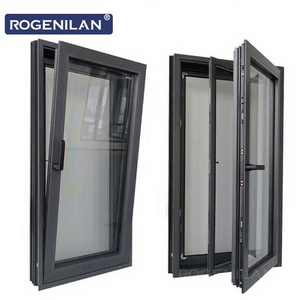
Aluminum Double Glass Casement Window Triple Glaze Tilt Turn
View Specifications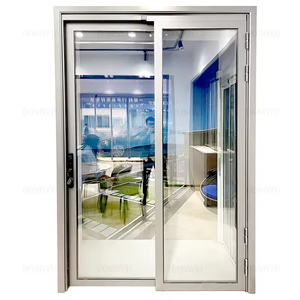
Modern Aluminium Glass Sliding PD/PT Sunroom Interior Partition
View Specifications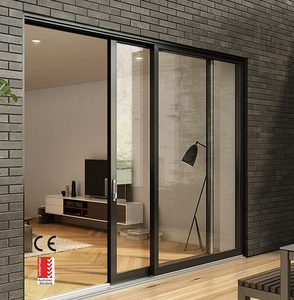
Heavy Duty Thermal Break Aluminum Sunroom Sliding System
View Specifications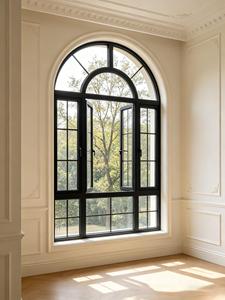
Thermal Break Arched Architectural French Casement Windows
View Specifications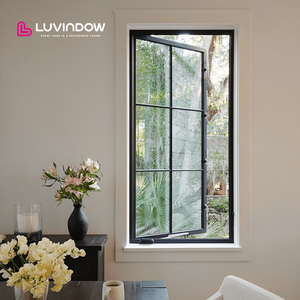
Heavy Architectural Casement Limit Stay Hardware & Friction Hinges
View Specifications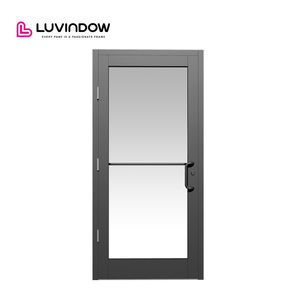
Commercial Hurricane Impact Storefront Sunroom Glazing Doors
View Specifications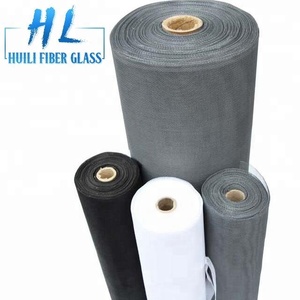
High-Tensile Fiberglass & Diamond Mesh Insect Screen Systems
View Specifications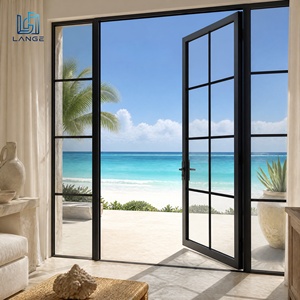
Coastal Grade Marine Anti-Corrosion Thermal Break French Swing Door
View SpecificationsAerospace-Grade Metallurgy & Polyamide Thermal Barriers
Aluminum sunroom windows operate under extreme thermodynamic stresses compared to conventional vertical fenestrations. Direct overhead solar exposure, combined with substantial diurnal temperature swings (up to 45°C in desert or continental microclimates), induces continuous structural expansion and contraction across window framing profiles.
Our engineered systems deploy virgin 6063-T6 or 6061-T6 structural aluminum alloys with wall thicknesses ranging from 2.0mm to 3.5mm, strictly outperforming standard residential 1.4mm profiles. The central thermal isolation incorporates European-standard Technoform PA66 GF25 (25% glass fiber reinforced polyamide) isolation bars. Unlike budget PVC inserts, PA66 GF25 matches the coefficient of thermal expansion of aluminum (2.3 x 10⁻⁵ /K), preventing shear failure, delamination, and air leakage along the thermal bridge over decades of service.
- U-Factor Performance: Achieves whole-window Uw values as low as 0.85 W/m²·K (0.15 BTU/h·ft²·°F) when paired with krypton/argon triple insulating glass units (IGU).
- Structural Rigidity (Deflection Criteria): Designed to sustain wind loads up to 4500 Pa (equivalent to Category 5 hurricanes) within strict deflection boundaries of L/175 and L/250.
- Acoustic Isolation: Multi-chamber sash geometry with acoustic PVB interlayers dampens ambient sound transmission up to 44 dB Rw.

Future Procurement Trends in the Global Aluminum Sunroom Market
Procurement directors and commercial developers are navigating stringent green building codes (LEED v4.1, BREEAM, Estidama, and Title 24). Sourcing strategies are rapidly shifting toward high-intelligence, circular, and ultra-resilient fenestration solutions.
1. BIPV & Electrochromic Smart Glazing
The integration of Building-Integrated Photovoltaics (BIPV) into sunroom overhead canopies transforms passive daylight chambers into active micro-power generators. Simultaneously, electrochromic dynamic glass (smart tinting via mobile or BMS control) eliminates the requirement for mechanical shading, modulating Solar Heat Gain Coefficient (SHGC) dynamically between 0.09 and 0.42.
2. Zero-Threshold Flush Drainage Architecture
Modern luxury spaces demand barrier-free visual continuity. Future procurement prioritizes sunken recessed sub-sills with concealed siphon drainage networks capable of clearing 150 liters/min·meter, preventing water pooling and internal inundation under intense monsoon or storm-surge conditions.
3. Decarbonized Low-Carbon Extrusions
Global carbon border adjustment mechanisms (CBAM) are compelling Tier-1 builders to mandate Environmental Product Declarations (EPD). Chinese manufacturing leaders are pioneering green-aluminum billets processed using hydropowered smelting, resulting in an embodied carbon footprint below 4.0 kg CO₂e per kg of extruded profile.
Engineering Specification by Climatic Zone & Sunroom Topology
Selecting the optimal glazing configuration and profile geometry prevents condensation, structural fatigue, and excess HVAC loads.
| Sunroom Window Typology | Alloy & Thermal Barrier | Glazing Assembly | Target Uw (W/m²·K) | Target SHGC | Structural Compliance |
|---|---|---|---|---|---|
| Alpine / High-Latitude Solarium | 6063-T6 / 34mm PA66 GF25 | Triple Glazed (6 Low-E + 16Ar + 6 + 16Ar + 6 Low-E) | 0.80 - 1.05 | 0.45 - 0.55 | CE EN 14351-1, Class 4 Air Tightness |
| Tropical / Gulf Coastal Sunroom | Marine 6061-T6 / 28mm Polyamide | Double Low-E + SGP Laminated (8 Solar Control + 16Ar + 6+1.52SGP+6) | 1.25 - 1.45 | 0.20 - 0.28 | AS 2047 Cyclonic N6 / Salt Spray 3000h |
| High-Rise Urban Penthouse Atrium | 6063-T6 / Multi-Chamber 42mm Strip | Acoustic Laminated Double IGU (8 Acoustic PVB + 18Ar Warm Edge + 8 Low-E) | 1.10 - 1.30 | 0.30 - 0.38 | AAMA/WDMA/CSA 101/I.S.2 / CW-PG70 |
| Retractable Motorized Skylight | Structural Aluminum 6082-T6 High-Yield | Overhead Impact Laminated (8 Toughened + 2.28 SGP SentryGlas + 8mm) | 1.35 - 1.50 | 0.25 - 0.32 | ASTM E1886 / E1996 Large Missile Level D |
Automated Fabrication, Milling, and Quality Assurance
Consistency in high-tolerance sunroom window manufacturing requires complete elimination of manual cutting errors. In our Foshan production facility (Guangdong Dejiyoupin Doors and Windows Co., Ltd. / DERCHI), every aluminum extrusion is machined via 5-axis German and Italian CNC milling centers.
Miter joints are precision injected with dual-component polyurethane corner adhesives and crimped with heavy-duty mechanical corner brackets, providing absolute water tightness at the sash junctions. Profile surfaces undergo rigorous multi-stage pre-treatments before receiving either 30-micron architectural anodizing or AkzoNobel Interpon D2525 Qualicoat Class 2 hyper-durable powder finishes with 20-year colorfast guarantees against aggressive UV radiation.

Why Global Contractors Partner With DERCHI / Guangdong Dejiyoupin
Recognized among the premier top-tier architectural fenestration manufacturers in China, DERCHI combines massive production capacity with bespoke custom engineering capabilities for luxury villas, hospitality resorts, and commercial developments worldwide.
1. Free Engineering CAD & BIM Services
Our 30+ engineering team provides full shop drawings, structural wind-load calculation submittals, and 3D BIM models for rapid approval by client architects and local building code departments.
2. Full Scope Testing & Certifications
Fully compliant with CE, ISO 9001, AS 2047 N6, and UL fire ratings. All export units carry verified third-party laboratory test reports for acoustic, water, and cyclic performance.
3. Armor-Grade Export Packaging
Solid fumigated wooden crates with reinforced internal steel bracing, high-density pearl cotton wrapping, and desiccants prevent transport warping, moisture corrosion, or glass cracking during ocean transit.
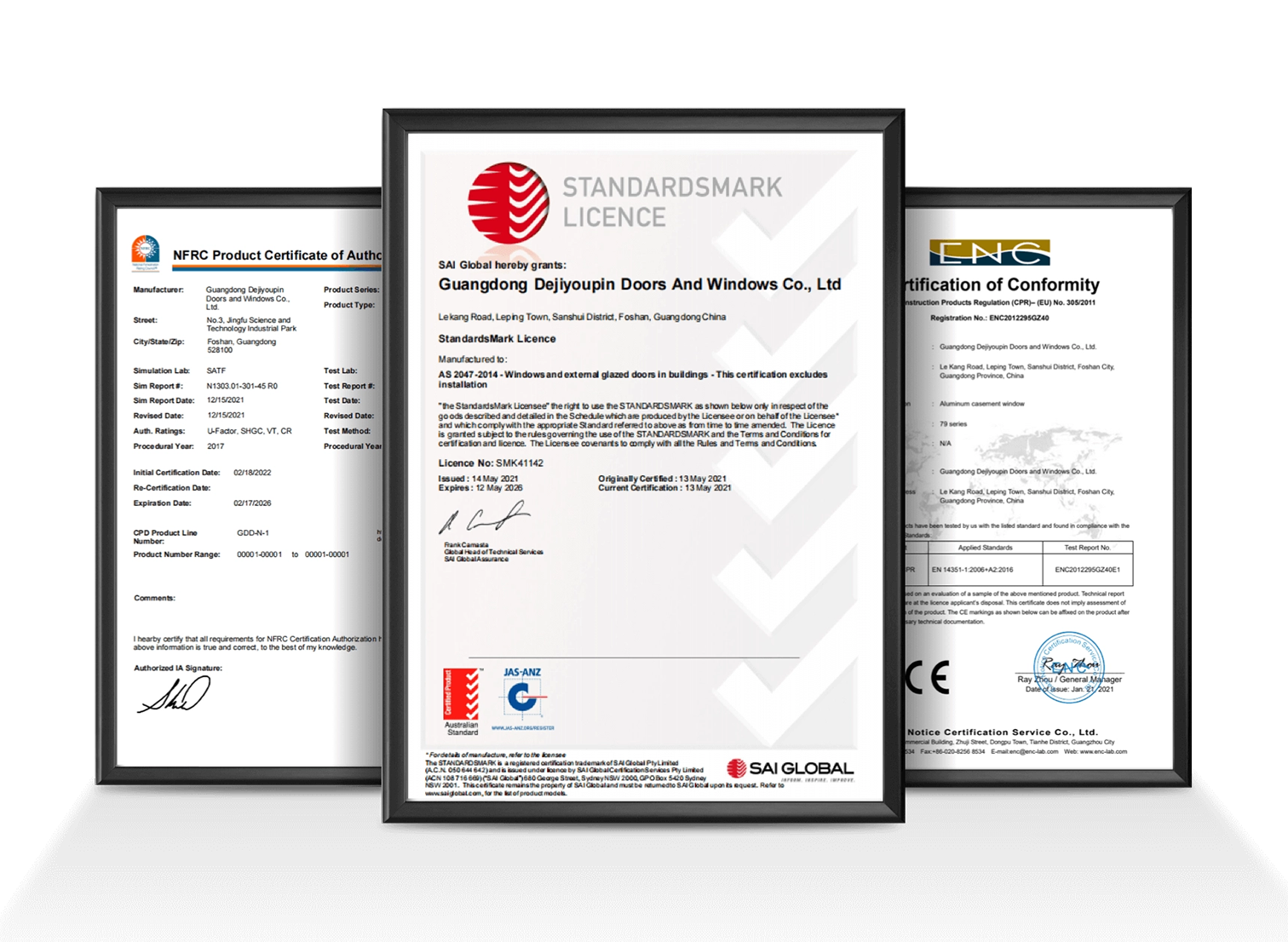
International Testing Accreditations & Global Compliance
International building authorities require certified documentation, not unverified marketing claims. Our integrated quality management system oversees every manufacturing phase from raw ingot spectral analysis to final pre-shipment water barrage testing under 600 Pa cyclic pressure.
With 8 major international accreditations and over 100 design and engineering patents, our sunroom window systems are regularly supplied to demanding construction environments throughout North America, the GCC nations (Saudi Arabia, UAE, Qatar), Australia, and the European Union.
Frequently Asked Questions for Importers & Facade Contractors
Detailed technical answers to common specification, customs, structural, and procurement inquiries encountered when importing high-end aluminum sunroom windows from China.
What profile wall thickness is mandatory for structural aluminum sunroom windows?
For sunroom vertical windows, standard residential fenestration profiles with 1.4mm wall thickness are structurally insufficient. Sunroom assemblies bear dead loads from heavy overhead glazing and live loads from seismic and wind pressures. Professional engineering standards dictate a minimum of 2.0mm wall thickness for secondary uprights and 2.5mm to 3.5mm for primary load-bearing structural mullions. Sourcing 6063-T6 or 6061-T6 temper profiles ensures yield strengths greater than 160 MPa, safeguarding against profile bowing or glass pinch.
How do Chinese manufacturers address thermal bridging and internal condensation in sunrooms?
High-efficiency systems break thermal continuity using crimped Technoform PA66 GF25 insulating struts with multi-cavity chambers. Furthermore, warm-edge stainless steel or structural foam spacers (such as Technoform or Swisspacer) replace conductive raw aluminum perimeter glass spacers. Combined with argon gas filling and soft-coat Low-E coatings on surface #2 or #3, internal surface temperatures remain well above the local dew point, eliminating condensation issues even in -20°C winter climates.
What glass configuration is mandatory for sunroom roof windows versus vertical side windows?
Building codes internationally (including the International Building Code IBC Section 2405) require that all sloped or overhead glazing utilize laminated glass on the inboard pane. A typical high-performance overhead sunroom IGU consists of: Outer Pane of 6mm or 8mm Fully Tempered Low-E Glass + 16mm Argon Cavity (Warm Edge Spacer) + Inboard Pane of 5mm+1.52PVB/SGP+5mm Laminated Safety Glass. If the outer pane shatters due to hail impact, the inboard interlayer holds all shards in suspension, completely protecting occupants below. Vertical wall windows may utilize standard double-tempered IGUs.
How are overseas shipments packaged to prevent transit damage and sea spray oxidation?
All export orders are subjected to an industrial multi-layer packing regimen: 1) Protective PE film applied directly to metal surfaces; 2) Wrap with shock-absorbing EPE pearl foam; 3) Moisture barrier vapor packaging incorporating silica gel packets inside sealed plastic; 4) Placement inside ISPM-15 certified fumigated plywood crates with integrated lifting skids and interior corner bracing. For full container load (FCL) shipments, air-cushion dunnage bags and heavy-duty tie-downs lock every crate in place to resist ocean swells.
What is the typical production lead time and custom drawing submittal workflow?
Upon receipt of architectural schedules or preliminary opening dimensions, our technical engineering office produces detailed CAD shop drawings (profile cross-sections, anchoring details, structural mullion calculations, glass schedules) within 48 to 72 hours. Once shop drawings are signed off and 30% deposit confirmed, custom extrusion cutting, CNC milling, powder coating, and IGU lamination take approximately 25 to 35 business days. Pre-shipment photographic verification and video functional testing are conducted prior to container loading.
Can Chinese manufacturers provide hardware compatible with regional smart-home systems?
Yes. We integrate both world-leading European hardware systems (Siegenia, Roto, Hoppe, GU) and proprietary heavy-duty multi-point locking gear tested to 50,000 continuous operating cycles. For automation, we offer concealed 24V DC chain-driven or linear actuators fully compatible with KNX, Zigbee, Tuya, and central building management systems (BMS), including weather-station fail-safes (automatic closure upon detecting rain or wind speeds over 14 m/s).
Step-by-Step Quality Control Protocol for Overseas B2B Sourcing
Mitigate procurement risk through verified manufacturing inspections, physical parameter testing, and clear regulatory documentation.
Stage 1: Raw Material Validation
Prior to extrusion machining, aluminum alloy chemistry is verified via optical emission spectrometers to guarantee 6063 metallurgical purity. Glass batches arrive with SGCC (North America), AS/NZS 2208 (Australia), or CE EN 12150 tempered certifications.
Stage 2: Dimensional & Seal Assembly
Mitered joint angles are laser-checked to 90° ± 0.2°. EPDM continuous weather seals are checked for elasticity and non-shrink retention. Thermal break bar push-off shear strength is tested in accordance with EN 14024 standards.
Stage 3: Pre-Dispatch Rigging & Test
Every sample unit or oversized sliding bay is test-rigged within the workshop. Engineers verify frictionless roller movement, locking pin engagement, automatic motor calibration, and drainage water evacuation before crating.
Initiate Your Sunroom Project Engineering Consultation
Submit your architectural drawings, window schedules, or structural tenders to our senior facade engineering department. Receive custom shop drawings, U-value thermal analysis, and an itemized direct-export factory quotation within 24 business hours.
Contact Us