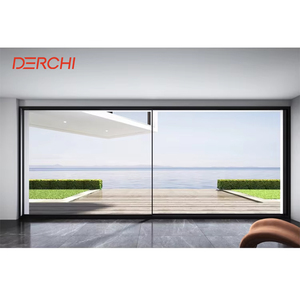
Engineered Aluminum Casement & Glazing Collections
Precision architectural systems certified to CE, AS2047, and ISO 9001. Designed for extreme climates, structural durability, and contemporary aesthetic minimalism.
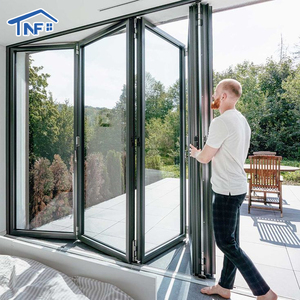
Waterproof Exterior Patio Accordion Double Low-E Bi-Fold System
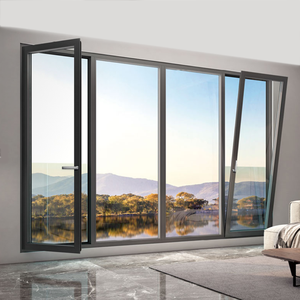
Maximized View Aluminum Casement Windows | Minimalist Villa Line
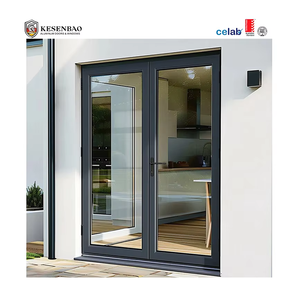
Soundproof Double Insulated Glass Heavy-Duty Casement Door
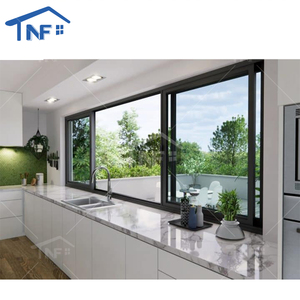
Foshan NF High-Performance Custom Architectural Sliding Window
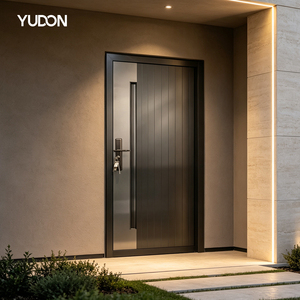
Anti-Theft Multi-Point Security Powder-Coated Entrance Door
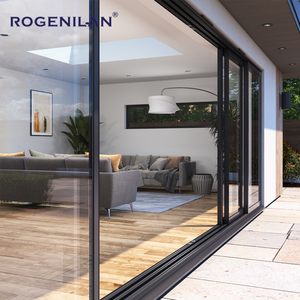
Panoramic Large-Span Heavy-Duty Sliding System with Mesh Screen
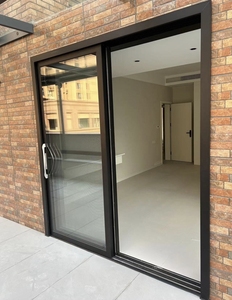
Modern Minimalist Slim-Profile Windproof & Waterproof Exterior Door
180,000㎡
Intelligent Manufacturing Base
25+ Years
Fenestration Engineering Expertise
100+ Patents
Proprietary Thermal & Acoustic Tech
AS 2047 / CE
Top N6 Structural Wind Certified
Why Global Contractors Partner with Guangdong Dejiyoupin (DERCHI)
Recognized among the Top 10 fenestration enterprises in China. Backed by 600+ master craftsmen, fully automated CNC extrusion processing, and German-engineered tooling lines.
Aerospace-Grade 6063-T6 Extrusions
We strictly utilize primary, virgin aluminum alloy billets (6063-T6/6060-T66) exhibiting superior tensile strength (≥ 205 MPa) and yield strength (≥ 160 MPa). Never recycled scrap, eliminating warping risks under high wind pressure.
Polyamide PA66 GF25 Thermal Barriers
Engineered with multi-cavity Technoform polythermal break strips reinforced with 25% glass fiber. Matches aluminum's linear expansion rate, maintaining total structural integrity across extreme fluctuations (-40°C to +80°C).
European Multi-Point Hardware Security
Integrated with German Siegenia, HOPPE, or Sobinco multi-point perimeter gear systems with mushroom-cam locking. Resists crowbar prying, enhances compression against EPDM automotive-grade hollow seals, and minimizes air leakage.
Precision Fabrication & Corner Pinning
Casement window sash and frame profiles are mitered at precise 45-degree angles using dual-head precision cutting equipment. Reinforced with cast aluminum corner cleats and injected with German polyurethane corner glue for leak-proof endurance.
Qualicoat Certified Surface Treatments
AkzoNobel architectural powder coatings, fluorocarbon (PVDF) 3-coat sprays, and 25-micron deep-bath anodizing. Guaranteed resist fade, chalking, oxidation, and marine-environment corrosion up to 30 years without peeling.
Free Shop CAD & BIM Structural Service
Our dedicated engineering department generates parametric CAD elevation drawings, wind load calculations (ASCE 7, EN 1991, AS 1170 compliant), and water head drainage calculations to assure rapid consultant sign-off.
Architectural Specification & Engineering Whitepaper
Casement windows represent the tightest sealing fenestration format across global building codes. Review DERCHI's empirical technical benchmarks below.
| Performance Indicator | DERCHI Standard Rating | International Standard Benchmark | Engineering Benefit |
|---|---|---|---|
| Thermal Transmittance (U-Value) | 0.79 – 1.4 W/m²·K (0.14 – 0.25 BTU/hr·ft²·°F) | EN ISO 10077-1 / NFRC 100/200 | Passive House certifiable, drastically cuts HVAC heating/cooling energy dissipation. |
| Structural Wind Load Resistance | Class N6 (Design Pressure ≥ 4500 Pa) | AS 2047 / ASTM E330 / EN 12210 (Class C5) | Capable of enduring Category 5 hurricanes and high-rise curtain-wall gusts. |
| Water Penetration Resistance | 700 Pa – 1050 Pa static & cyclic head | AAMA 501.1 / AS 4420.5 / EN 12208 (Class 9A) | Isopiestic hidden drainage cavity stops heavy rain ingress under typhoons. |
| Air Infiltration Performance | < 0.1 m³/(h·m) at 100 Pa pressure | ASTM E283 / EN 12207 (Class 4) | Triple continuous vulcanized EPDM seals eliminate air leaking and sand infiltration. |
| Acoustic Attenuation (Soundproof) | Rw = 38 dB to 48 dB (with acoustic laminated glass) | ISO 717-1 / ASTM E413 (STC rating) | Isolates highway, airport, and bustling urban high-frequency ambient noise. |
Key Procurement Evaluation Checklist
When selecting a Chinese casement window manufacturer for commercial developments or luxury villas, mandate the following critical checks:
- Profile Wall Thickness: Verify external wall thickness reaches ≥ 1.8mm – 2.0mm in accordance with modern safety codes (GB/T 8478).
- Thermal Break Material: Ensure polyamide strips are PA66 GF25, never recycled PVC that becomes brittle in UV light.
- Glass Seal Integrity: Mandate warm-edge spacer technology filled with argon gas to prevent internal dew-point condensation.
- Export Packaging Protocol: Check that frames are protected with peelable protective film, wrapped in pearl cotton, and encased in fumigated plywood crates.
Future Product & Procurement Trends
The global facade fenestration market is advancing rapidly toward high insulation, smart interfaces, and minimal sightlines:
- Concealed Sash & Frameless Sightlines: Concealing the operable casement sash behind the outer frame to produce flush, frameless modern architecture.
- Motorized Concealed Actuators: Integrated IoT smart chain actuators linked to smart-home weather stations for automatic storm closing.
- Triple/Quadruple Vacuum Glazing: Hyper-insulated vacuum glass systems achieving Center of Glass (U-value < 0.5 W/m²·K).
- Integrated Smart Shading: Magnetically or digitally controlled Venetian louvers encapsulated inside tempered double glazing cavities.
Market Dynamics: The Evolution of Aluminum Fenestration
Navigating shifting carbon codes, acoustic demands in super-cities, and global supply chain integration.
Sustainability Metric
Embodied Carbon & Circularity
Global developers are enforcing rigorous EPD (Environmental Product Declarations). Modern fabrication prioritizes green hydroelectric-smelted aluminum, saving up to 70% of embedded refining energy while delivering infinite recyclability.
Architectural Shift
Jumbo Glass Sashes & Micro-Bevels
Clients are replacing subdivided window panes with oversized structural casement sashes exceeding 2.8 meters in height. This requires reinforced 304 stainless steel heavy-load hinges holding weights exceeding 150 kg per vent leaf.
Supply Chain Strategy
Consolidated Fenestration Sourcing
Procurement directors are turning away from multiple single-item vendors. Choosing one manufacturer for casement windows, ultra-narrow sliding doors, pivot front doors, and glass balustrades eliminates finish mismatches and lowers container freight costs by 22%.
Procurement & Technical FAQ
Clear, authoritative technical answers to common questions asked by project engineers, procurement managers, and architects.
What distinguishes casement windows from sliding windows in thermal performance?
Casement windows utilize continuous compression gaskets (EPDM rubber) pressed tightly around the perimeter by multi-point locking levers when closed. Sliding windows depend on brush weather-stripping which experiences friction, leaving micro-gaps for air and water. Casement windows achieve up to 300% better airtightness and watertightness.
How do DERCHI casement windows withstand severe coastal climates?
For coastal developments in Australia, the Middle East, Florida, and the Caribbean, we apply Class 2/3 Qualicoat fluorocarbon (PVDF) finishes or 25-micron architectural anodizing that endure continuous 3,000-hour salt spray testing. All hinges, screws, and pivot arms are upgraded to grade 316 stainless steel to eliminate galvanic and pitting corrosion.
What glass configurations are recommended for optimal solar heat control?
We engineer double or triple insulated glass units (IGU): for example, 6mm Low-E tempered + 16A (Argon gas) + 6mm clear tempered glass. Dual silver or triple silver Low-E coatings selectively reflect infrared radiation while allowing visible natural light transmission, maintaining interior comfort while reducing air conditioning loads by over 40%.
What is the standard production cycle and sea-freight timeline?
Upon shop CAD drawing approval and color swatch confirmation, our 180,000㎡ facility completes standard production within 25–35 days. Complete units are shipped directly from Shenzhen or Guangzhou ports. Ocean shipping averages 14–22 days to the Middle East, 18–25 days to the West Coast USA, and 25–30 days to European main ports.
How does DERCHI guarantee exact site-fit and opening compatibility?
Our engineering team works directly off your project window schedule and architectural elevation drawings. We produce 1:1 millimetric CAD shop drawings detailing sub-sills, fin installations, installation anchors, and interior drywall reveals for your architect's sign-off before raw material cutting begins.
Can we request custom colors, dual-color, and timber grain effects?
Yes. Utilizing advanced thermal barrier split-profile technology, we provide dual-color customization: matching the exterior frame with architectural facade regulations (e.g., Matt Dark Grey RAL 7016) while styling the interior profile to harmonize with private room decor (e.g., Italian heat-transfer natural oak wood grain or Pearl White).
Start Your Fenestration Engineering Project Today
Send us your window schedules, architectural plans, or structural specifications. Our senior facade engineering team will review your project and return comprehensive shop drawings, U-value calculations, and competitive factory-direct pricing within 24 hours.
Inquire Now