Engineered Architectural Solutions for Global Projects
Explore our precision-crafted aluminum windows and door assemblies built strictly according to North American, European, and Australian safety and structural codes.
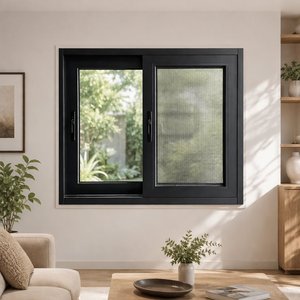
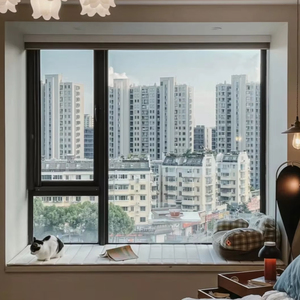
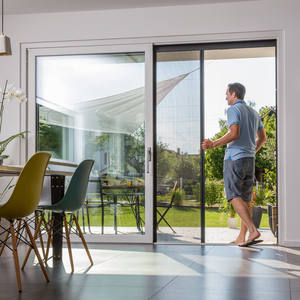
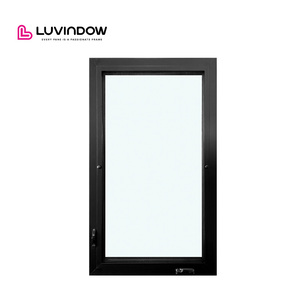
Precision Fenestration Manufacturing from China to the World
Operated by Guangdong Dejiyoupin Doors and Windows Co., Ltd. (DERCHI), recognized among the Top 10 fenestration enterprises with global delivery compliance.
1. Engineering Excellence in Aluminium Sliding Sash Window Manufacturing
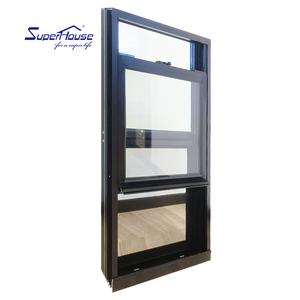
The global demand for architectural fenestration has transitioned dramatically toward high-performance, mechanically optimized fenestration systems. As premier China Best Aluminium Sliding Sash Windows Exporter & Exporters, our mission encompasses bridging the gap between classical vertical aesthetics and the highest thermodynamic, structural, and mechanical requirements of contemporary building envelopes.
Vertical sliding sash windows (single and double-hung variants) have long carried historical charm, yet conventional timber and early-generation uninsulated vinyl iterations presented severe structural challenges—ranging from frame racking and air infiltration to rot, hardware fatigue, and thermal bridged energy penalties. Through precision extrusion using prime-grade 6063-T5 and 6060-T6 aluminum alloys, Guangdong Dejiyoupin Doors and Windows Co., Ltd. (DERCHI) engineers advanced sash profiles capable of handling multi-pane insulated glazing units (IGUs) without compromising the effortless glide demanded by discerning homeowners, hoteliers, and developers.
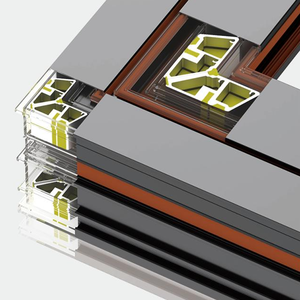
Utilizing high-density, multi-cavity thermal break bars formed from fiberglass-reinforced Polyamide (PA66 GF25), our systems eliminate conductive energy transfers between interior and exterior aluminum surfaces. Complemented by precision CNC-milled corners, multi-chambered internal drainage gutters, and multi-point brush-and-EPDM continuous perimeter sealing, our sliding sash systems achieve exceptional air-tightness ratings (Class 4 according to EN 12207) and water tightness (Class E1500 per EN 12208).
Torsion & Spiral Balance Systems
Engineered with custom-calibrated stainless steel and composite spiral balances, accommodating heavy acoustic or bullet-resistant glass packs up to 60 kg per sash with smooth opening force under 25 N.
Extreme Climate Protection
Tested against cyclic hurricane forces and extreme 50°C solar radiation profiles. Multi-point locking hooks and continuous interlocking meeting rails ensure zero blowout during cyclonic gusts.
BIM & Free CAD Engineering
Our dedicated Foshan engineering desk generates comprehensive shop drawings, structural wind-load simulations, and BIM files within 24 hours to streamline consultant and architect approval.
2. Future Global Procurement Trends in Aluminum Fenestration (2025–2030)
Commercial procurement directors, architectural consultants, and international developers are no longer evaluating exporters based solely on FOB container prices. Supply chain risk management, carbon footprint accounting, and lifecycle durability have assumed center stage:
A. Decarbonization and Low-Carbon Aluminum Sourcing: Corporate ESG mandates in Europe and North America have sparked exponential interest in architectural aluminum profiles extruded from renewable hydropower smelting. Our strategic procurement leverages post-consumer scrap recycling streams and low-carbon billets, ensuring low embodied energy metrics necessary for LEED Platinum and BREEAM Outstanding accreditations.
B. Unitized and Pre-Glazed Factory Assemblies: On-site labor shortages across North America, Australia, and the Middle East are accelerating the shift toward factory-glazed, fully balanced sliding sash cassettes. By shipping fully tested, pre-adjusted window assemblies packed in reinforced timber crates, overseas contractors reduce site installation time by up to 60% while mitigating field glazing failures.
C. Acoustic Attenuation for Dense Urban Environments: Rapid urbanization alongside transport infrastructure demands window assemblies capable of delivering Sound Transmission Class (STC) ratings above 42 dB. Through asymmetrical double-laminated glass configurations (e.g., 6mm Low-E + 12A Argon + 4mm + 0.76PVB + 4mm) coupled with acoustic EPDM weather gaskets, our sliding sash systems offer superior acoustic comfort for airport-adjacent and high-density luxury residential projects.
Engineering Comparison: DERCHI Advanced Architectural Sash vs. Standard Export Windows
| Performance Parameters | DERCHI High-Performance Thermal Sash | Standard Commercial Sliding Window | Regulatory Compliance Standards |
|---|---|---|---|
| Alloy Grade & Wall Thickness | 6063-T5 / 1.8mm to 2.2mm structural profile | 6063-T5 / 1.2mm to 1.4mm profile | GB 5237 / ASTM B221 / AS/NZS 1866 |
| Thermal Transmittance (U-Value) | Uw ≤ 1.4 W/m²·K (Triple Pane Low-E Argon) | Uw ≥ 3.2 W/m²·K (Unbroken profile) | NFRC 100/200 / Energy Star Qualified |
| Wind Pressure Resistance | Serviceability: 4500 Pa / Ultimate: 6000 Pa (N6) | 1500 Pa to 2500 Pa (N2 - N3) | AS 2047 (Australian Standard) / ASTM E330 |
| Water Penetration Resistance | Static: 700 Pa (No leakage) | 150 Pa to 250 Pa | ASTM E331 / AAMA 501.1 / AS 4420 |
| Acoustic Isolation (STC/Rw) | STC 42 dB / Rw (C; Ctr) = 43 (-1; -4) dB | STC 28 - 31 dB | ISO 10140 / ASTM E90 |
| Surface Protection Life | Qualicoat Class 2 Fluorocarbon (25-30 Years) | Standard Anodized / Thin Powder (5-8 Years) | AAMA 2605 / ISO 2810 |
3. Structural Innovations in Sash Window Mechanisms
The architectural vulnerability of traditional vertical sliding systems has historically resided at the horizontal meeting rail and the balance friction pockets. In heavy wind loads, negative pressure draws the sashes away from their vertical weather pile channels, resulting in noticeable drafts and whistling.
Guangdong Dejiyoupin Doors and Windows Co., Ltd. (DERCHI) resolves this systemic deficiency through our proprietary Dual-Cam Positive-Lock Interlock System. When the sash arrives at its closed seat, die-cast stainless steel rotary cams mechanically draw the upper and lower interlocks into compressive contact. Simultaneously, bottom sash wedges force the bottom rail down against continuous, vulcanized EPDM gaskets, forming a hermetic barrier impervious to wind-driven dust in desert environments and driving rain in coastal typhoon belts.
Furthermore, tilt-in sash balances have been completely redesigned with high-load die-cast zinc pivot bars and glass-reinforced nylon shoes. This permits effortless, inwards tilting of both upper and lower sashes for rapid, safe interior glass cleaning—a pivotal specification advantage for multi-story hospitality towers and high-end residential estates.
Frequently Asked Questions by Global Sourcing Engineers
Direct technical and commercial answers for project engineers, procurement managers, and quantity surveyors importing from China.
How do your sliding sash windows comply with Australian AS 2047 standards?
Our aluminum sliding sash systems have been rigorously tested and certified to the highest Australian AS 2047 N6 rating. This test confirms deflection compliance under extreme positive and negative wind pressures exceeding 4500 Pa, with documented zero water ingress up to 700 Pa static head.
Can you integrate bullet-resistant and hurricane impact laminates?
Yes. By utilizing heavy-wall 2.0mm to 2.2mm profiles and deeper glazing pockets up to 40mm, our custom sash frames accommodate multi-ply laminated configurations (including SentryGlas® and bullet-resistant polycarbonates) meeting Miami-Dade NOA and EN 1063 BR4 standards.
What surface finish warranties are provided for coastal applications?
For installations within 500 meters of the coastline (such as luxury villas in Dubai, Miami, or Sydney), we specify Qualicoat Class 2 / Class 3 PVDF fluorocarbon coatings or marine-grade anodizing (25 microns). This guarantees salt spray resistance in excess of 4,000 hours without chalking, pitting, or color degradation.
How are balance springs selected for oversized vertical sash windows?
Each sash is engineered against its calculated weight including structural glass and frame members. We utilize constant-force mechanical coil springs or calibrated hydraulic/pneumatic balances rated for over 50,000 continuous cycles, ensuring uniform opening forces under 25 Newtons.
What is your standard export crating method to prevent sea transit damage?
All units are individually wrapped in protective PE film, corner-guarded with high-density EVA foam, and crated inside fully closed, heat-treated plywood crates (ISPM 15 compliant) with internal desiccant bags to prevent vapor condensation and ocean-freight vibration damage.
How do you support project-specific submittals and shop approvals?
Our dedicated engineering department provides full CAD section drawings, glass stress reports, thermal performance simulations (using LBNL THERM/WINDOW software), and color swatches within 24 to 48 hours to streamline consultant, architect, and municipal sign-offs.
Partner with China's Premier Fenestration Exporter
Whether you require custom thermal break sliding sash systems for a luxury villa compound, bullet-resistant hung windows, or large-scale commercial hotel fenestration, our Foshan manufacturing base delivers unmatched engineering accuracy and factory-direct pricing.
Get a Quote