Engineered Aluminum Doors, Windows & Specialized Systems
Precision-extruded utilizing virgin 6063-T5/T6 structural alloys, high-performance polyamide (PA66) thermal insulation, multi-point tamper-resistant mechanisms, and factory-certified marine-grade weatherproofing.
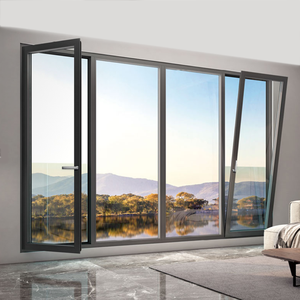
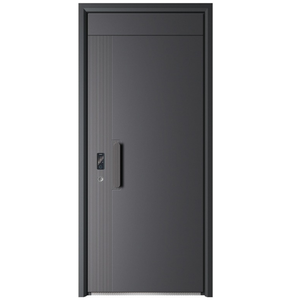
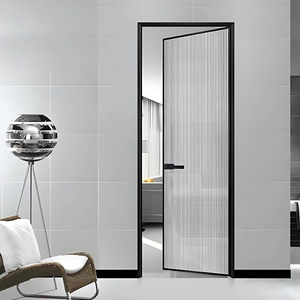
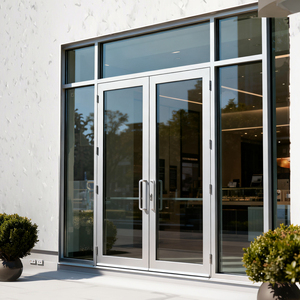
The Evolution of Architectural Aluminum Frames & Doors
Global facade engineering has transitioned from simple physical enclosures to multifaceted environmental barrier systems. Sourcing managers and master planners now require verified thermal isolation, acoustic attenuation, and seismic resilience.
Thermally Broken Profile Mechanics
Standard architectural aluminum possesses a high thermal conductivity rate of approximately 205 W/m·K. To comply with rigorous worldwide energy codes such as ASHRAE 90.1, Title 24, and European EN ISO 10077-2, our systems integrate multi-cavity polyamide PA66 GF25 insulation struts. This creates a complete thermal barrier that slashes profile conduction to lower entire assembly U-factors below 1.4 W/m²·K, preventing condensation and reducing HVAC power drain.
Typhoon & Wind Pressure Resistance
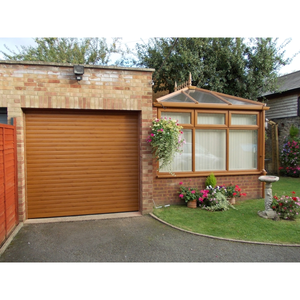
Coastal developments across the Caribbean, Gulf of Mexico, Southeast Asia, and the Arabian Sea face extreme lateral forces and pressure differentials. Our cyclone-rated rolling shutters and reinforced window profiles undergo severe cyclic pressure chamber testing up to 5,000 Pa (exceeding AS 2047 N6 and ASTM E1886/E1996 standards). Integrated heavy-wall internal ribs and end-retention interlocking slats stop curtain blow-out during severe wind loads.
Advanced Anti-Corrosive Metallurgy
Exposure to coastal salt spray and high atmospheric chlorides quickly oxidizes low-tier metals. We utilize premium primary A00 aluminum ingots extruded into alloy 6063-T6 or 6061-T6, free of recycled impurities. Surface treatments encompass high-thickness anodizing (Class I 18μm+) and fluorocarbon PVDF electrostatic spraying (AAMA 2605 compliant), retaining tensile strength, mechanical ductility, and specular gloss after 4,000+ hours of ASTM B117 salt spray exposure.
Enterprise Advantages: Why Global EPCs & Developers Choose DERCHI
Operating from Foshan, Guangdong—the core of global precision aluminum engineering—Guangdong Dejiyoupin Doors and Windows Co., Ltd. combines heavy manufacturing scalability with meticulous European precision standards.
End-to-End Vertical Scale
Across our 180,000㎡ industrial site, we maintain independent extrusion, CNC profile machining, robotic corner crimping, automated glass curing, and electrostatic powder coating plants, mitigating subcontractor delays.
Stringent Quality Accreditations
Holding 8 primary international certifications including ISO 9001, CE, AS 2047, and UL fire ratings, alongside 30+ patents, ensuring your architectural submittals receive prompt sign-off by structural consultants.
Full-Spectrum Customization
From 6-meter motorized architectural pivot doors to ultra-narrow sightline frameless casement windows and fire-rated lobby facades, our design engineers supply free CAD shop drawings, structural calculations, and 3D mockups.
Protected Export Packaging
We deploy export-grade fumigated solid-plywood skeleton crates, multi-layer shock foam, and vapor barrier films designed to survive ocean container routes, rough offloading, and desert humidity shifts without scratching.
Global Procurement & Architectural Design Trends
Strategic analysis for facade contractors, project developers, and procurement executives planning tier-1 projects over the next procurement cycle.
1. Ultra-Narrow Sightlines & Structural Concealment
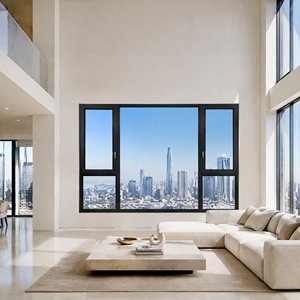
Modern luxury hospitality and villa masterplans demand unbroken sightlines. Visible frame widths are contracting from the traditional 75mm profile down to 18-25mm visible stiles, shifting wind load absorption directly to structurally glazed, tempered low-iron laminated lites with hidden frame pockets embedded in building perimeters.
2. Decarbonization & Low-Carbon Aluminum Sourcing
Driven by the EU Corporate Sustainability Due Diligence Directive (CSDDD) and LEED v4.1 certification goals, international developers now require verified Environmental Product Declarations (EPD). Hydro-powered primary smelt aluminum and scrap recycling rates above 40% are transforming into mandatory supply-chain qualifying criteria.
3. Smart Access Automation & Biometric Integration
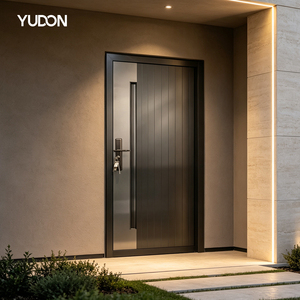
Main entrance assemblies are shifting from mechanical pin tumblers to intelligent motorized locking systems. High-capacity commercial and residential entry doors now integrate concealed electromagnetic multi-point bolts, 3D facial recognition scanners, smartphone IoT relays, and low-voltage cable transitions pre-channeled inside thermal extrusion cavities.
4. Extreme Acoustic Decoupling in Dense Urban Areas
Rapid urban densification has accelerated demand for high Sound Transmission Class (STC) ratings. Fenestration systems now incorporate asymmetric glass build-ups (e.g., 8mm + 1.52PVB + 6mm) alongside multi-density acoustic cellular EPDM co-extruded gaskets, routinely achieving STC 42-48 dB attenuation to isolate exterior airport, traffic, and metropolitan noises.
5. Complete Building-Enclosure Bundling
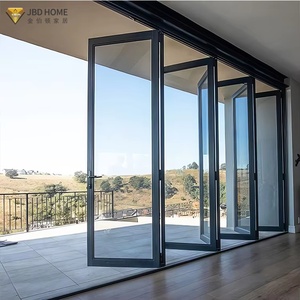
Project managers are avoiding the risk of multi-vendor friction by procuring unified building exterior systems. Bundling grand entrance pivot doors, terrace bi-folds, flush-screen casements, automated hurricane shutters, and glass storefronts under one certified manufacturer cuts logistical friction and unifies architectural finish consistency across the structure.
6. Solar Heat Gain Coefficient (SHGC) Customization
With global heat waves intensifying, international energy specifications require tailored coatings. Fenestration exporters now integrate soft-coat double and triple silver Low-E coatings tailored per elevation: balancing high visible light transmission (VLT > 65%) with ultra-low solar heat coefficients (SHGC < 0.28) to drastically reduce building thermal cooling demands.
Architectural Systems Performance Matrix
Benchmark engineering data comparing standard residential systems against our heavy commercial-grade profiles.
| System Classification | Primary Alloy & Wall | Thermal Isolation | Air Infiltration (ASTM E283) | Water Resistance (ASTM E331) | Structural Load (ASTM E330) |
|---|---|---|---|---|---|
| Thermal Break Casement Windows | 6063-T5 (1.8mm – 2.2mm) | PA66 GF25 (24mm - 34mm) | ≤ 0.1 m³/(h·m) | 700 Pa (No Leakage) | ± 4500 Pa Design Load |
| Heavy Bi-Fold Patio Doors | 6063-T6 (2.0mm – 3.0mm) | Polyamide Isolator Ribs | ≤ 0.2 m³/(h·m) | 600 Pa (Sub-Sill Drain) | ± 3800 Pa Design Load |
| Typhoon Roller Shutter Systems | 6061/6063 Reinforced Slats | Foamed Polyurethane Core | Windbreak Interlocking End | Class 4 Heavy Rainfall Seal | ≥ 5000 Pa Ultimate Cyclone |
| Commercial Storefront & Pivot Doors | 6063-T6 (2.5mm – 4.0mm) | Dual Thermal Isolators | ≤ 0.15 m³/(h·m) | 650 Pa Static Chamber | ± 4800 Pa Heavy Foot-Traffic |
Frequently Asked Questions on Aluminum Doors & Frames
Comprehensive answers compiled by our senior structural engineers to resolve common technical, logistical, and architectural sourcing concerns.
What is the structural difference between 6063-T5 and 6063-T6 aluminum?
Alloy 6063-T5 undergoes rapid air-quench cooling at the extrusion press followed by artificial aging, producing balanced tensile strength (approx. 150-160 MPa) suitable for residential window frames. In contrast, 6063-T6 undergoes water quenching and prolonged thermal aging, reaching yield strengths over 210 MPa. We specify 6063-T6 for high-rise facades, hurricane shutters, and massive pivot doors requiring high rigidity under heavy wind loads.
How do you stop galvanic corrosion between aluminum and steel components?
When aluminum contacts stainless steel hardware or building structural steel in humid environments, galvanic action degrades the aluminum. DERCHI eliminates this issue through strict mechanical isolation: all fasteners are high-grade 304 or 316 stainless steel sleeved with nylon bushings, EPDM isolation pads, and dielectric gaskets that block electrical conductivity between distinct metals.
Can you provide verified project shop drawings for engineering approval?
Yes. Our in-house technical department consists of dedicated structural engineers and CAD technicians. Once you supply your project elevations, opening schedules, or rough framing plans, we produce full shop drawing submittal packages. These include frame anchor calculations, thermal transmittance analysis, water drainage pathways, glass build-up charts, and connection details for direct approval by site consultants.
How are units crated to prevent container transit and unloading damage?
Every fenestration assembly undergoes protective film masking, protective corner reinforcement, and is sealed inside heat-treated fumigated non-wood-waste plywood crates. Heavy assemblies (like motorized double storefronts or cast pivot doors) are secured on custom steel-frame loading pallets fitted with bottom forklift guides, keeping glass and frames protected against shifting during ocean passage.
What surface treatment performs best for seaside high-UV regions?
For coastal villas and marine environments, we recommend a 3-coat/3-bake PVDF (Polyvinylidene Fluoride) fluorocarbon coating with a minimum resin content of 70% (Kynar 500 / Hylar 5000), meeting AAMA 2605 requirements. This finish prevents chalking, chemical fading, and surface pitting even under intense salt spray, high humidity, and desert UV exposure.
What is the standard production cycle and sea-freight transit window?
Standard custom architectural orders generally require 25 to 35 business days from final CAD shop drawing sign-off. High-volume custom projects, curved lites, or custom structural castings run on a 35 to 45 business day cycle. We partner with tier-1 shipping lines (COSCO, Maersk, MSC) offering direct shipping times: 18-24 days to the US West Coast, 28-35 days to US East Coast, 22-28 days to the Middle East, and 14-20 days to Australia.
Plan Your Commercial or Luxury Residential Project
Consult directly with our engineering team for free CAD shop drawings, acoustic and thermal glass modeling, typhoon load calculations, and competitive direct-from-manufacturer project estimates.