Factory-Engineered Fenestration Systems for Master Suites
Explore our comprehensive lineup of precision-crafted, CE-certified residential systems built specifically for acoustic privacy, extreme thermal performance, weather shielding, and effortless daily operation.
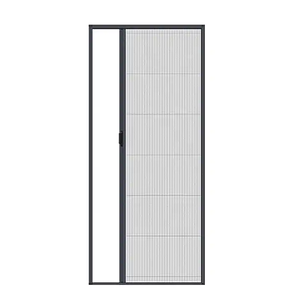 Integrated Mesh
High Quality Aluminium Alloy Frame Sliding Door and windows Polyester Plisse Pleated Folded Mosquito Net Fly Screen Mesh
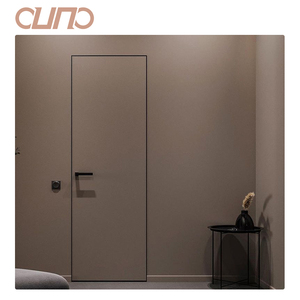 Acoustic Core
OUNA All-Aluminum Simple Bedroom Wooden Door Interior Soundproof and Moisture-Proof Aluminum Honeycomb Set Pure Aluminum Door
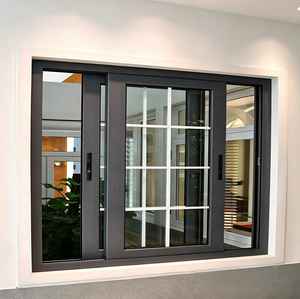 Smart Automation
WANJIA AS2047 NFRC Sliding Windows FRAME House Optional Electric Automatic Windows Aluminium Glass Horizontal Sliding Windows
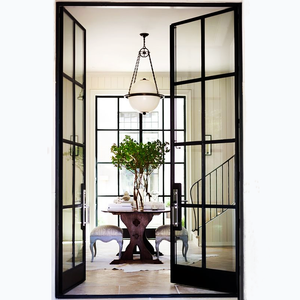 Slimline Profile
Modern Slim Frame Aluminum Glass Entry Door Interior French Swing Door
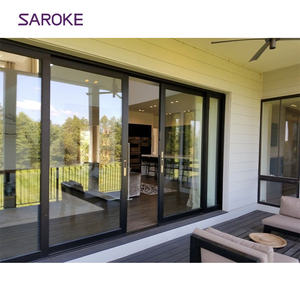 Panoramic View
4 Panel Large Glass European Model High End Aluminum Sliding Doors and windows
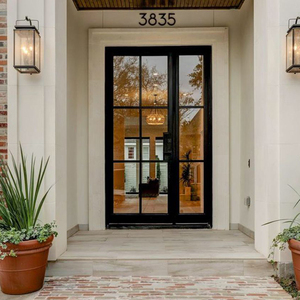 Multi-Lock Security
OUNA Exterior Aluminum French Doors with Security Grid Design Black Frame and Tempered Glass for Patio and Main Entrance
 Private Label OEM
Fuson Wholesale Private Label Products Wholesale Price Latest Design Windows and Doors China Supplier Aluminium Sliding Window
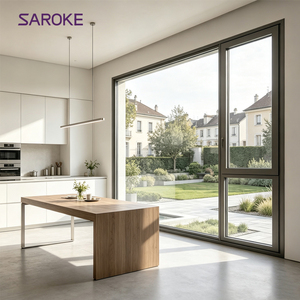 CE Dual-Action
Tilt Turn Ce Certified Thermal Break Aluminum Casement windows with Opening Side
Whitepaper: Engineering High-Performance Bedroom Fenestration
Modern master bedroom fenestration demands engineering criteria that go far beyond standard perimeter envelopes. Because human sleep cycles are acutely sensitive to low-frequency vehicular acoustics, thermal drafts, and condensation-driven fungal spores, an aluminum bedroom window system must operate as a calibrated acoustic barrier, a high-efficiency thermodynamic boundary, and a hermetically sealed air-infiltration inhibitor.
As a premier CE certified aluminum bedroom windows manufacturer and factory, our facility executes every production stage under European harmonized standard EN 14351-1:2006+A2:2016. We engineer structural aluminum frames using prime 6063-T6 architectural grade aluminum, reinforced polyamide thermal barriers (PA66 GF25), and robotic dual-seal perimeter EPDM weatherstripping to meet rigorous zero-energy building standards across European and Middle Eastern markets.
Comparative Specification Benchmark
| Performance Parameter | Standard Market Aluminum Windows | Our CE-Certified Bedroom Systems | Testing & Compliance Standards |
|---|---|---|---|
| Thermal Transmittance (Uw) | 2.8 – 3.5 W/(m²·K) | 0.79 – 1.30 W/(m²·K) | EN ISO 10077-1 / EN ISO 10077-2 |
| Sound Reduction Index (Rw) | 28 – 32 dB | 38 – 47 dB (Acoustic Laminated) | EN ISO 717-1 / ISO 10140-2 |
| Air Permeability | Class 2 (300 Pa) | Class 4 (600 Pa Hermetic Seal) | EN 12207 / AS 2047 N6 |
| Watertightness | Class 4A (150 Pa) | Class E1200 (1200 Pa Test Pressure) | EN 12208 / ASTM E331 |
| Wind Load Resistance | Class B2 – B3 | Class C5 (≥ 3000 Pa Deflection) | EN 12210 / AS 2047 Cyclic Load |
| Thermal Barrier Material | PVC or Recycled Polyamide | Polyamide 66 with 25% Glass Fiber | DIN 16941 / Thermal Break Isolator |
Acoustic Engineering: Achieving the 30 dB Indoor Sleep Threshold
Urban bedroom ambient noise levels regularly exceed 65 to 75 dBA due to commercial aircraft, railway traffic, and highway transit. World Health Organization guidelines stipulate that for restorative sleep, nocturnal interior noise should not exceed 30 dBA. Achieving this delta requires fenestration units with an acoustic reduction factor of Rw ≥ 40 dB.
Our aluminum bedroom tilt-and-turn and sliding systems achieve this attenuation through an asymmetrical multi-chamber glazing strategy. Rather than using symmetrical double glazing (e.g., 4mm + 12A + 4mm), which is prone to acoustic resonance bridges around 125 Hz to 250 Hz, our systems integrate unequal glass thicknesses combined with Saflex® or Sound Control PVB interlayers (e.g., 6mm Toughened + 16mm Argon Warm Edge Spacer + 44.2 Acoustic Laminated). Combined with continuous co-extruded EPDM hollow bulb center gaskets, flanking transmission is systematically neutralized.
Thermal Efficiency & Condensation Protection
Cold drafts and interior pane condensation are primary sources of discomfort and microbial allergen proliferation in residential suites. Our profiles utilize multi-cavity thermal break extrusions up to 34mm in depth. By decoupling the exterior aluminum shell from the internal interior face, we completely eliminate continuous conductive pathways. Coupled with triple silver Low-Emissivity coatings on surface #2 or #3 and warm-edge composite spacers, interior glass surface temperatures stay reliably above dew-point thresholds even in extreme winter climes or during blistering 50°C Gulf summers with continuous interior air conditioning.
Future Sourcing & Procurement Trends
Architectural procurement paradigms for major residential developments, boutique hotels, and luxury private villas are shifting rapidly towards lifecycle value, automation, and circular design.
1. Whole-Envelope Direct Procurement
Tier-1 general contractors and property developers increasingly bypass regional intermediaries to source coordinated envelope packages direct from OEM/ODM factories. Integrating bedroom windows, entrance pivot doors, and acoustic interior doors under a single unified supplier mitigates interface mismatch risks, streamlines containerization, and yields typical cost reductions of 22% to 35%.
2. Mandatory EPD & Embodied Carbon Tracking
Global procurement teams now mandate Environmental Product Declarations (EPD). Modern aluminum fenestration must use certified low-carbon primary aluminum smelted using hydroelectric or solar energy, paired with closed-loop factory scrap recycling to satisfy strict BREEAM, LEED v4.1, and Estidama pearl rating requirements.
3. BIM Level 2 & Parametric Digital Twins
Procurement contracts require native Revit and IFC files embedded with precise structural tolerances, U-value ratings, structural load parameters, and maintenance lifecycles. Our engineering studio prepares fully realized BIM objects and project-specific shop drawings that expedite architect approval cycles and municipal regulatory submissions.
Next-Generation Technology & Design Evolution
Explore the engineering innovations reshaping modern master suite aluminum window performance.
Minimalist Sightlines & Concealed Sashes
Architects are adopting ultra-narrow sightlines (as slim as 21mm to 45mm visible profile width) with concealed vent sashes. When closed, operable vents align flush with fixed lites, yielding a clean structural glass appearance while preserving full tilt-and-turn or parallel-opening functionality.
Smart Micro-Ventilation & Sensor Integration
Bedrooms require continuous air renewal to prevent CO2 levels from exceeding 1,000 ppm during the night. Motorized concealed chain actuators tied to IAQ (Indoor Air Quality) sensors allow micro-tilt ventilation during low-noise hours, automatically closing upon rain or particulate detection without breaching baseline perimeter security.
Extreme Marine-Grade Surface Technology
From hyper-arid coastal environments like Dubai and Doha to humid seaside locations across Australia and Florida, aluminum finishes must withstand salt fog and heavy sand abrasion. We deploy 25-micron Qualicoat Class 2 fluorocarbon (PVDF 70/30) and Class 3 super-durable powder finishes warrantied against chalking and corrosion for up to 30 years.
Why Global Contractors Partner with Our Factory
Recognized among China's Top 10 luxury door and window manufacturers, Guangdong Dejiyoupin Doors and Windows Co., Ltd. (DERCHI) operates a sprawling 180,000㎡ precision manufacturing headquarters in Foshan, Guangdong. Backed by over 25 years of engineering heritage, we serve leading developers, general contractors, and prestigious private villa builds throughout the European Union, the GCC, the United States, Australia, and Canada.
Full Regulatory Certification
Full conformance with CE (EN 14351-1), Australian AS 2047 (N6 certified for high wind loading), ISO 9001, and UL fire-rated standards. Independent third-party test reports are provided with every order.
End-to-End Precision Control
From primary extrusion cutting and 5-axis CNC multi-spindle milling to robotic silicone glazing, automated corner-crimping, and dual-point hardware assembly, all processes remain 100% under our direct supervision.
Complimentary Engineering & CAD
Our multilingual project engineering department works with your architectural schedules to deliver full shop drawings, structural wind load calculations, glass deflection analysis, and installation anchorage details.
Heavy-Duty Hardware Integration
We partner with premier hardware systems including Siegenia, GU, HOPPE, and Sobinco, ensuring tilt-turn mechanisms, concealed multipoint hinges, and sliding tandem rollers support sashes up to 400kg effortlessly.
Robust Export Packaging
Our five-layer crating protocol uses polyethylene foam, corner protectors, moisture-sealed heat-shrink film, and reinforced fumigated steel-banded plywood crates to guarantee zero-defect international sea-freight arrivals.
Direct One-Stop Enclosure Packages
Consolidate your full project envelope. Combine our aluminum bedroom windows with thermal-break exterior entry pivot doors, patio glass lift-and-slide doors, and custom interior acoustic honeycomb door assemblies in a single shipment.
Procurement & Technical FAQ
Clear, technical answers to common questions asked by project consultants, quantity surveyors, and façade contractors.
What specific test documentation accompanies your CE marked bedroom windows?
How do your window systems achieve optimal sound reduction for bedrooms near airports or highways?
Can you manufacture completely bespoke dimensions, opening styles, and frame finishes?
How do your thermal break profiles withstand extreme solar irradiance without bowing?
What is your production lead time, minimum order quantity (MOQ), and shipping support?
What steps are required to obtain an accurate technical proposal and budget quotation?
Ready to Engineer Your Next Project's Fenestration?
Connect directly with our senior fenestration engineers to review your window schedules, request material samples, or obtain a comprehensive factory-direct quotation.
Get a Quote