Aluminium windows can look similar in a showroom, yet their prices differ sharply once frame design, glazing, finish, and installation are considered. A slim fixed window may cost far less than a large thermal-break system with opening sections. Size matters. So does the glass specification. This guide compares common aluminium window types and explains which details most often move the final quote.
The market context is useful, but it does not set a universal price. Grand View Research’s Aluminum Window Market Size, Share & Trends Analysis Report examines the sector by product, application, and region, reflecting how varied the market is. For performance, the U.S. Department of Energy’s guidance on energy-efficient windows highlights the role of glazing, frame materials, and climate in selecting windows. Those factors affect comfort and energy use, but local labor, access, and removal costs still shape a real project estimate. A neat online price can therefore be incomplete.
One important limitation: I could not verify a named aluminium-window pricing expert’s exact quotation from a reliable source, so I will not invent one. That missing quote matters; trust should not be decorative. Instead, this overview focuses on checkable specifications and the questions homeowners can ask suppliers. With those in hand, Aluminium Windows Prices become easier to compare—though a site-specific quote remains essential.
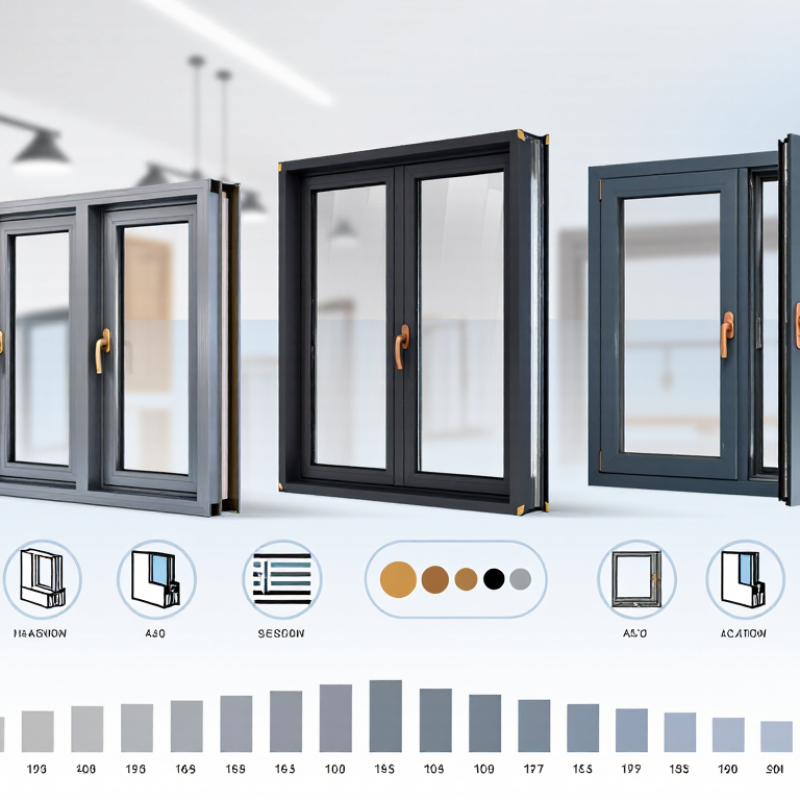
Aluminium windows are classified by their layout and how they open. Fixed units admit daylight but provide no ventilation. Casement windows hinge at the side and swing outward, while awning windows hinge at the top. Sliding models move along a track, making them practical beside patios or kitchen counters. Tilt-and-turn designs offer two opening positions, but their extra hardware can raise the purchase price. Folding systems create a wide opening, though they need more space and careful alignment.
Operation, energy use & cost
Operation affects comfort as well as cost. The U.S. Department of Energy’s Energy Saver guidance estimates that windows account for 25–30% of residential heating and cooling energy use. Compare whole-window U-factor and solar heat gain coefficient (SHGC), not frame material alone; NFRC ratings make these measures easier to check. A tighter-opening casement may suit a windy room, while a slider can be easier to operate in a narrow space. Prices also vary with dimensions, glazing, finish, and installation. One detail is easy to miss: the cheapest style may not be the cheapest to live with. I would check cleaning access and hardware service needs before choosing.
Aluminium windows differ most in how they open, seal and handle daily use. Sliding windows move along a track, making them useful beside patios or kitchen counters where a swinging sash would obstruct space. Casement windows hinge at the side and open outward, allowing broad ventilation and straightforward cleaning from inside. They need clear space outside.
Awning windows hinge at the top and can admit air during light rain, though wind-driven rain may still enter. Fixed windows do not open, so they suit stairwells or living rooms where daylight and views matter more than ventilation. Simple, but not universal.
The U.S. Department of Energy estimates that heat gain and loss through windows account for 25–30% of residential heating and cooling energy use.
That figure makes glazing, seals and installation worth comparing alongside frame style. Tilt-and-turn designs offer inward tilting for limited ventilation and inward opening for easier cleaning, but their hardware can add cost. Price depends on dimensions, glazing, opening mechanism and installation; compare itemized quotes rather than frame prices alone. A narrow sliding unit and a large, multi-panel unit are not equivalent purchases.
The National Fenestration Rating Council’s ratings can help compare U-factor and solar heat gain across products. Check the hardware. Ratings describe performance, but they do not reveal whether a handle feels awkward or a track collects grit. A real sample helps, when available.
Typical installed prices in the United States vary by size, glazing, and local labor. For a standard residential opening, fixed aluminium windows often cost about $300–$800. Sliding units commonly range from $500–$1,200, while casement windows may run $600–$1,400 each. These estimates include basic installation, but not every project condition.
Awning windows typically fall between $450 and $1,100 per unit. Larger bifold systems are a different scale, often costing $2,000–$6,000 per opening. A wide, multi-panel system can exceed that range. Thermal-break frames and double glazing usually raise the initial price, but may improve comfort near a cold windowpane. Removing an old frame can add labor costs. Get a written quote. It is easy to focus on the frame alone; glass choice and fitting details matter too. These figures are useful for early planning, not a substitute for measurements and local estimates.
Typical installed price ranges per window in the United States (USD)
Prices are indicative estimates. Actual costs vary with window size, glazing, installation requirements, and location. Custom designs and larger windows may cost more.
Aluminium window prices depend on more than the frame material. Size, opening style, glass, and installation all affect the final quote. A fixed window usually has fewer moving parts than a sliding or casement design, so its hardware costs may be lower. Larger openings need stronger profiles and careful support. They cost more.
Glazing can shift the price substantially. Double glazing, acoustic glass, or low-emissivity coatings may improve comfort, but add to the specification. Thermal breaks in the frame can also reduce heat transfer, especially in climates with hot summers or cold winters. Finishes matter too: standard colours may cost less than custom powder-coated options. Ask whether the quote includes measuring, delivery, removal of old frames, and sealing. One estimate can still miss details; compare itemised quotes, not just totals.
Tips: Give suppliers exact opening measurements and ask for the same glass and finish in each quote. Check warranty coverage and installation scope. Keep a small contingency for unexpected repairs around the opening.
The price ranges below are approximate US-dollar estimates for standard-sized residential windows. Supply-only prices cover the window unit; installed prices include basic professional installation. Actual quotes vary by location, dimensions, specification, and site conditions.
| Window Type | How It Opens | Typical Supply-Only Price | Typical Installed Price | Common Price Considerations |
|---|---|---|---|---|
| Fixed (Picture) | Does not open; designed to provide daylight and an unobstructed view. | $150–$450 | $300–$800 | Overall dimensions, glass area, glazing specification, and whether a custom shape is required. |
| Single-Hung | The lower sash slides vertically; the upper sash remains fixed. | $250–$600 | $500–$1,100 | Sash size, glass type, screen choice, frame profile, and hardware specification. |
| Double-Hung | Both upper and lower sashes slide vertically. | $300–$800 | $600–$1,400 | Two operable sashes, tilt-in cleaning features, balance hardware, and glazing upgrades. |
| Horizontal Sliding | One sash slides sideways past another sash. | $250–$700 | $500–$1,200 | Window width, number of sliding panels, track and roller quality, and screen inclusion. |
| Casement | One or more side-hinged panels open outward using a crank or handle. | $350–$900 | $700–$1,600 | Panel count, opening size, multipoint locking hardware, and the direction of operation. |
| Awning | Top-hinged sash opens outward, allowing ventilation while offering some protection from light rain. | $300–$800 | $600–$1,400 | Width and projection, operator hardware, glass specification, and placement in a larger window assembly. |
| Tilt-and-Turn | Tilts inward for ventilation or swings inward from side hinges for a wider opening. | $600–$1,500 | $1,000–$2,500 | Specialized multipoint hardware, sash size, glazing, and the complexity of the frame system. |
| Price Factor | How It Can Affect the Price |
|---|---|
| Window Size and Shape | Larger units use more frame material and glass. Arched, angled, oversized, or otherwise custom shapes usually cost more than standard rectangular windows. |
| Frame Profile and Thermal Break | Frame depth and profile design affect material use and performance. Thermally broken aluminium frames, which use an insulating barrier between interior and exterior sections, generally cost more than non-thermally broken frames. |
| Glazing Specification | Double glazing, low-emissivity coatings, laminated or tempered glass, and gas-filled insulating glass units can increase the price compared with basic single glazing. |
| Opening Style and Hardware | Fixed windows have fewer moving parts. Operable styles require hinges, tracks, balances, locks, or crank mechanisms, and more complex hardware can increase the cost. |
| Colour and Finish | Standard finishes are commonly less expensive than custom colours, textured finishes, or different interior and exterior finishes. |
| Screens and Accessories | Insect screens, restrictors, upgraded handles, security hardware, and decorative bars may be priced separately or included as options. |
| Installation and Existing Conditions | Labour costs depend on local rates and installation access. Removing old windows, repairing the opening, changing structural framing, or working at height can add to the total. |
Aluminium window prices depend on more than frame style. Fixed windows usually cost less because they have no opening hardware, but they provide no ventilation. Casement windows open outward and can suit kitchens or bedrooms where airflow matters.
Sliding designs save space beside patios, though track quality affects smooth operation and cleaning. Tilt-and-turn options offer flexible opening positions, but their mechanisms may raise the price. Compare quotes with the same frame size, glazing, finish, hardware, and installation scope.
Tips: Ask whether the price includes removal, sealing, and interior trim. Check the glass specification, too. Double glazing, low-emissivity coatings, and thermal breaks can change both cost and comfort. Small detail, big effect.
Think about daily use before choosing the cheapest option. A wide sliding panel may be convenient, but a narrow opening can limit ventilation. A casement window may catch wind if exposed and left open.
Request itemized estimates, then compare warranties and maintenance requirements alongside the total. Local labor and delivery can shift costs considerably, so online price ranges are only a starting point. Some comparisons still feel imperfect; suppliers may describe similar specifications differently, so ask for clarification in writing.
Sliding windows move along a track without swinging into the patio. Keep the track clean; grit can make movement rough.
Side-hinged casement windows open outward and provide broad ventilation. They need clear outdoor space, which is easy to overlook.
Top-hinged awning windows can admit air during light rain. Wind-driven rain may still enter. Not foolproof.
Fixed windows suit stairwells or living rooms where daylight and views matter more than ventilation. They do not open.
Compare glazing, seals, installation, and ratings for heat transfer and solar gain. Ratings cannot show whether a handle feels awkward.
Size, opening style, glass, finish, and installation affect the total. Larger openings may need stronger profiles and careful support.
Thermal breaks can reduce heat transfer, while double glazing or low-emissivity coatings may improve comfort. They also add cost.
Ask about measuring, delivery, old-frame removal, sealing, warranty, and installation. Keep a small repair contingency. Quotes can still miss things.
Aluminium windows are classified by how they look and operate, from sliding and casement designs to tilt-and-turn, fixed, and folding options. Each type offers different benefits in ventilation, access, views, and space efficiency. Sliding windows suit areas where opening panels should not swing into a room, while casement styles can provide wide openings and straightforward airflow. Fixed windows maximise daylight and views but do not open.
Aluminium Windows Prices vary according to window type, size, frame design, glass specification, finish, hardware, and installation requirements. Typical costs can therefore differ substantially between a simple fixed unit and a larger, more complex opening system. To compare options, consider not only the initial price but also the room layout, ventilation needs, ease of use, energy performance, and maintenance. Matching these practical requirements with your budget can help you choose a window that offers lasting value.