An Aluminium Door With Window can bring daylight, outdoor views, and practical access into one opening. Yet choosing a product from a catalogue is not as simple as comparing frame colors. Climate, installation quality, glass specifications, and hardware all affect real-world performance.
The International Energy Agency’s Global Status Report for Buildings and Construction 2023 estimates that building operations account for about 30% of global final energy use. In the United States, the Department of Energy says heat gain and loss through windows account for roughly 25–30% of residential heating and cooling energy use. These figures do not predict the performance of every door, but they show why glazing and weather seals deserve close attention. Small details matter.
This guide compares seven aluminium door styles for global buyers, from sliding and folding designs to hinged and lift-and-slide options. It considers frame strength, thermal breaks, glass choices, drainage, security hardware, maintenance, and suitability for different spaces. Looks deceive. A slim profile may appeal in a showroom, while a poorly matched specification can disappoint after installation. There is no universal winner: coastal exposure, cold winters, intense sun, and local building requirements change what “best” means. Even product data can be incomplete, so buyers should verify test standards, warranties, and installation support with suppliers. The rankings offer a practical starting point, not a substitute for project-specific advice.
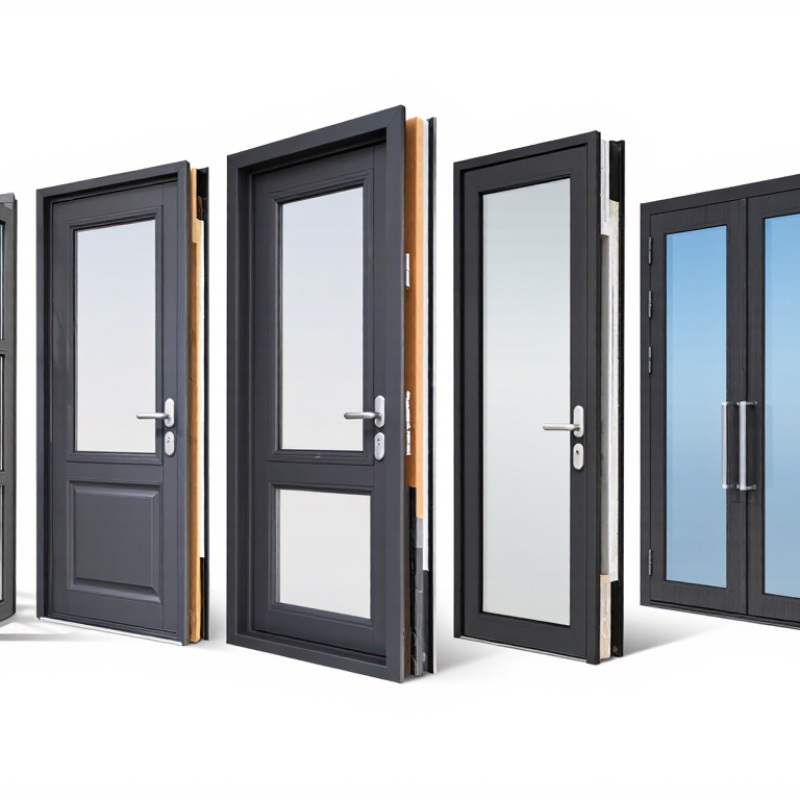
Understanding Aluminium Doors With Windows and Their Main Components
An aluminium door with windows is a complete assembly, not just glass fitted into a metal frame. Its main parts include the aluminium frame, glazed panels, seals, hinges, locks, and drainage channels. A thermal break—a non-metal strip between the frame’s inner and outer sections—helps reduce heat transfer. Look closely at the corners and threshold, where gaps can invite drafts or water.
Glazing choices affect comfort, daylight, and energy performance. The U.S. Department of Energy estimates that heat gain and loss through windows account for 25–30% of residential heating and cooling energy use; this figure applies to windows, not specifically to glazed doors. Still, it shows why glass performance deserves attention. The National Fenestration Rating Council provides ratings such as U-factor and solar heat gain coefficient, useful when comparing products. Lower U-factor generally means less heat transfer, while suitable solar control depends on climate and orientation. Small parts matter. A door may have impressive glass ratings yet perform poorly if seals, installation, or drainage are neglected. Even experienced buyers can overlook that detail.
| Door Type | Typical Configuration | Window and Glazing Options | Main Components | Common Applications | Key Selection Considerations |
|---|---|---|---|---|---|
| Aluminium Hinged Entry Door with Glazed Panel | One hinged leaf, with a glazed insert in the door or a fixed sidelight beside it. | Clear, patterned, laminated, or insulated glass, subject to local safety requirements. | Aluminium frame and sash, glazing beads, glass unit, hinges, weather seals, handle, and locking hardware. | Main entrances, side entrances, and residential or light-commercial buildings. | Check security hardware, threshold details, weather resistance, and whether safety glazing is required. |
| Aluminium French Door with Windows | Two hinged leaves that usually open from the centre; one or both leaves may be operable. | Large glazed areas provide daylight and an outdoor view; insulated glass is a common option. | Two door leaves, outer frame, hinges, meeting-stile seals, handles, locking points, and glazing beads. | Patios, gardens, balconies, and openings where a wide passage is useful. | Allow for the swing clearance of both leaves and check the locking arrangement and sill design. |
| Aluminium Sliding Patio Door | Two or more glazed panels move horizontally on tracks; some panels may remain fixed. | Broad glass panels can be made with single or insulated glazing, depending on climate and project needs. | Frame, sliding panels, rollers, head and sill tracks, interlocks, weather seals, glass, and locking hardware. | Patios, terraces, balconies, and rooms where a swinging door would take up space. | Compare track drainage, roller access, panel weight limits, air and water performance, and maintenance needs. |
| Aluminium Bi-Fold Door with Glazed Panels | Multiple hinged panels fold and stack to one or both sides of an opening. | Glazed panels create a wide visual connection to outdoor areas; glass specification depends on exposure and regulations. | Multiple framed panels, hinges, guide tracks, rollers, seals, handles, and multi-point locking hardware. | Wide patio openings, garden rooms, and spaces designed for a large clear opening. | Confirm the folded panel stack position, required threshold, opening width, and operating hardware capacity. |
| Aluminium Tilt-and-Slide Door | A sliding panel can tilt inward for ventilation and slide open for access, depending on the system design. | Usually uses a large glazed panel; insulated glass may be specified for improved thermal performance. | Frame, operable sash, sliding carriage, tilt-and-slide hardware, handles, seals, and glazing beads. | Homes and apartments seeking a space-efficient glazed door with a ventilation position. | Check operating instructions, hardware serviceability, sash weight limits, and compatibility with the opening size. |
| Aluminium Pivot Door with Glazing | A single door leaf rotates on pivot hardware rather than conventional side hinges. | May include a glazed section in the leaf or adjacent fixed glazing; the final layout depends on the design. | Door leaf, frame or pivot supports, top and bottom pivot hardware, seals, handle, and locking system. | Contemporary entrances and architectural openings with sufficient space for the door’s swing. | Check pivot positioning, floor and head clearance, door weight, weather sealing, and access requirements. |
| Aluminium Entrance Door with Fixed Sidelight or Transom | A hinged door is combined with fixed glazed panels at one or both sides, above, or in a surrounding frame. | Fixed panels can use clear, translucent, laminated, or insulated glass as appropriate to the project. | Door leaf, outer frame, fixed glazing frames, glass, glazing beads, hinges, seals, threshold, and locking hardware. | Building entrances where additional daylight or a wider glazed composition is desired. | Verify the combined frame dimensions, structural support, privacy needs, and safety-glazing rules for each panel. |
| Buyer note: Aluminium door configurations, thermal breaks, glazing build-ups, hardware, and performance ratings vary by system and market. Confirm dimensions, applicable building and safety codes, wind-load requirements, and tested air, water, and structural performance with the project supplier. | |||||
FAQS
It includes an aluminium frame, glazed panels, seals, hinges, locks, and drainage channels. A thermal break separates inner and outer frame sections. Check the corners and threshold for gaps.
Look at the U-factor and solar heat gain coefficient. A lower U-factor generally means less heat transfer. Choose glazing for your climate and the door’s orientation. Ratings alone are not enough.
A sliding door needs less floor space than a hinged or French door. Keep its track clear of debris, and check that water can drain. Small details matter.
Bi-fold doors can open a wide passage between indoor and outdoor areas. Their panels need careful alignment. Lift-and-slide doors suit large glazed openings, but the frame and hardware must support panel weight.
Pivot doors can make a strong visual impression in a modern home or hotel. They need generous clearance and precise installation. That extra space is easy to underestimate.
Ask for test reports covering the complete door-and-glass assembly. Compare air, water, and wind performance with local project requirements. One market’s certificates may not apply elsewhere.
The opening should be square, level, and measured correctly. Installers need suitable fixing points and clear drainage paths. A good door can still disappoint if fitting is rushed.
Request drawings, glass details, packing information, spare-part availability, and clear warranty terms. Check sample finishes in person if possible. Photos can hide surface differences.
Confirm how to clear track drains, adjust rollers, and replace seals. Ask whether compatible hardware is easy to source. I might still revise my choice after seeing the site.
Conclusion
Choosing the right Aluminium Door With Window involves more than selecting an attractive style. This guide explains the main parts of these doors and compares seven designs suited to different buildings, room layouts, and everyday uses. It also considers how glazing options, thermal performance, security features, and material durability can affect comfort and long-term value.
The best choice depends on local climate, available space, and the building’s practical requirements. Buyers can use the guide to assess relevant product standards, plan professional installation, and understand routine maintenance needs. It also offers a framework for evaluating suppliers in different markets, helping global buyers compare options based on suitability, quality, and support rather than appearance alone.