0%

A wide opening can change how a room feels, especially when daylight reaches a kitchen or living area. Aluminium Bifold Doors have hinged panels that fold to one side, opening a broad route between indoors and outdoors. Slim frames can preserve more of the view than bulky sections, while powder-coated finishes offer practical choices for varied façades. Open, they can make a patio feel like an extension of the room. Closed, they keep the view in sight. Yet the effect depends on the layout, not just the product. The panels need somewhere to stack. Space matters.

For a project, compare thermal performance, weather seals, locking hardware, threshold design, and the system’s tested dimensions. A thermally broken frame and suitable glazing can support comfort, but performance varies by specification and installation. Ask how water drains, how tracks are cleaned, and whether the opening can safely carry the installed system. Small details count. A low threshold may improve access, though water management still needs careful design. Assumptions deserve a second look. Aluminium is durable, but it does not make every opening maintenance-free or energy efficient by itself. A reputable supplier should provide product data and explain limitations, while a qualified installer can assess site conditions. The right choice is the one that fits the building, budget, climate, and everyday use—not simply the widest span.
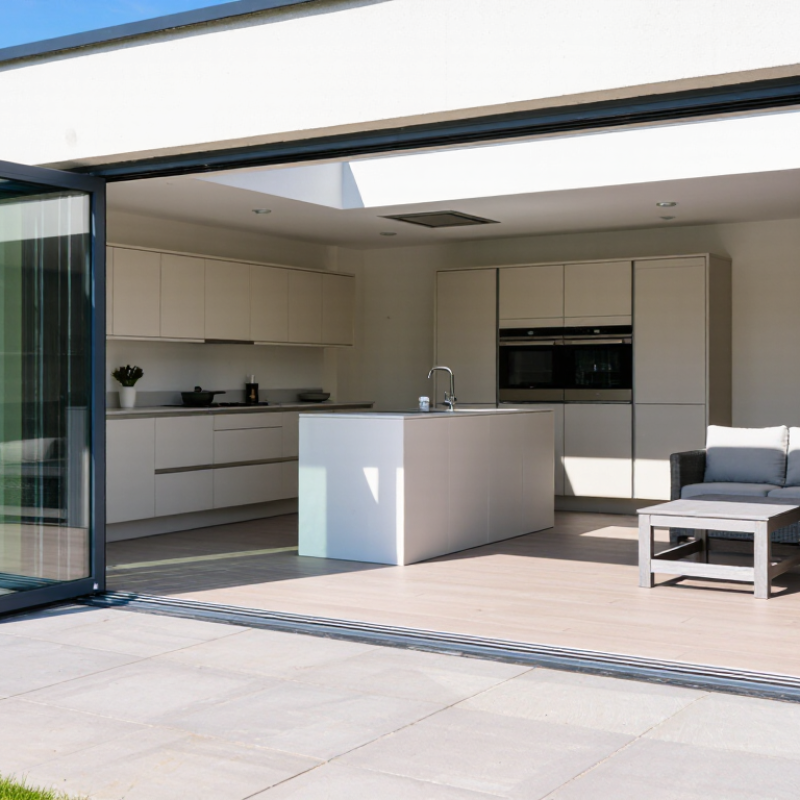
Why Choose Aluminium Bifold Doors for Your Project?

What Aluminium Bifold Doors Are and How They Work

Aluminium bifold doors are glazed panels joined by hinges, with rollers that travel along a top or bottom track. As the door opens, the panels fold together at one side, creating a wide passage between rooms or onto a patio. A flush threshold can make the transition feel almost continuous, though drainage and weather sealing still need careful detailing.

The U.S. Department of Energy’s Energy Saver guidance estimates that windows account for 25–30% of residential heating and cooling energy use. This is not a bifold-door-specific figure, but it shows why glass and frame performance matter. Check independent ratings such as U-factor and solar heat gain coefficient, and consider thermal-break aluminium frames to limit heat transfer. Alignment matters. Even a well-specified door may bind if the opening is out of square or the track is poorly installed. That detail is easy to underestimate. In practice, panel weight, stack direction, threshold height, and the available wall space all affect how the system works day to day. A sample panel moving smoothly in a showroom is useful, but it cannot fully predict performance in a real opening.

Key Performance Benefits of Aluminium Frames

Aluminium bifold doors can span wide openings without bulky frames, bringing daylight deep into a room. Their strength allows relatively slim profiles, while thermally broken frames reduce heat transfer between the outside and inside surfaces. That matters on cold mornings, when an unbroken metal frame can feel noticeably chilled. Details matter. Ask for the complete door’s tested U-factor and solar heat gain coefficient, not just the frame specification.

The U.S. Department of Energy reports that windows account for 25–30% of residential heating and cooling energy use. This figure covers windows broadly, not bifold doors alone, but it shows why glazing, seals, and frame design deserve attention. The National Fenestration Rating Council’s ratings help compare whole-unit thermal performance across products. Check them alongside the proposed glass, local climate, and installation details.

Aluminium is not a cure-all. Poorly adjusted panels or worn weather seals can still create draughts, and a large glass area may increase summer heat gain. Ask how the door will be supported and adjusted after installation; small alignment issues can become irritating fast.

Design Options for Different Spaces and Projects

Aluminium bifold doors can be arranged to suit a compact kitchen, a garden room, or a wide commercial opening. A two-panel set may work well for a smaller patio, while three or four panels can create a broader opening in a larger living space. Panel sizes and folding direction should be planned around furniture, walkways, and where the doors will stack when open. That detail is easy to overlook.

Glazing choices also shape how the doors feel in daily use. Clear glass keeps sightlines open to a garden, while privacy glass can suit a ground-floor room facing a busy path. Slim frames offer a lighter appearance, but the final proportions depend on the opening and structural support. A full-width glazed wall can look inviting, yet it may need careful consideration for heat gain, glare, and privacy.

For renovations, check the existing opening, floor level, and available space before choosing a threshold or panel layout. A low threshold can make access easier, though weather exposure and drainage still matter. In a café or studio, frequent use may make durable hardware and straightforward cleaning more important than a particular finish. The first layout may not be the best one. Test it against how people actually move through the room.

How to Assess Suitability for Your Project

Assess the opening before choosing the system. Measure its width, height, and squareness at several points; older walls are rarely perfect. Check where stacked panels will sit when open, and whether furniture, paths, or prevailing wind will obstruct them. Measure twice. A wide opening can look impressive, but it may leave too little usable wall or demand structural work. Ask a qualified installer to assess the lintel, drainage, and fixing points before ordering.

Glazing and exposure matter as much as frame material. The U.S. Department of Energy estimates that heat gain and loss through windows account for 25–30% of residential heating and cooling energy use. This figure concerns windows, not bifold doors specifically, but it shows why glass and installation deserve scrutiny. Compare whole-product U-factor and solar heat gain coefficient ratings, such as those reported under the National Fenestration Rating Council’s rating program. Check seals, thresholds, and water management, especially on windward elevations. Aluminium frames can suit large, slim-framed openings, yet thermal performance varies by design. Ask for tested product data, not a verbal assurance. Also consider maintenance access and panel weight; handling can become awkward. I would not assume the biggest opening is best. A modest layout may work better for daily use.

Why Choose Aluminium Bifold Doors for Your Project?

Assess how well common project priorities align with aluminium bifold doors. Ratings are qualitative guidance, not measured product data; actual performance depends on the door system, glazing, installation and project requirements.

How to read this chart: 1 means a weaker fit and 5 means a stronger fit. Bifold doors can create a wide opening and offer slim aluminium frames, while thermal performance depends on the complete door specification. Consider local energy requirements, threshold access, available stacking space and maintenance needs before choosing.

Installation, Maintenance, and Long-Term Performance

Aluminium bifold doors can create a wide opening, but their performance depends heavily on accurate installation. The opening should be measured at several points because older walls are rarely perfectly square. Installers need to check the threshold level, frame alignment, and fixing points before hanging the panels. Even a small error can make the doors drag or leave uneven gaps. It is worth allowing time for careful adjustment.

Long-term reliability also depends on drainage, seals, and regular maintenance. Keep the track clear of grit and leaves; debris can strain the rollers. Clean the frame with mild soapy water and a soft cloth, then inspect seals for cracks or gaps. Lubricate moving parts only as directed by the door’s care guidance. Aluminium resists corrosion, but it is not maintenance-free. A persistent sticking point may signal alignment trouble, not just dirt.

Tips: Before installation, confirm that the floor finish and threshold height are included in measurements. After fitting, open and close each panel several times. Check that the lock engages smoothly. Small details matter. And if the doors feel slightly stiff at first, do not simply force them; ask the installer to check the adjustment.

Why Choose Aluminium Bifold Doors for Your Project? — Installation, Maintenance, and Long-Term Performance
Project Factor What to Know Installation or Maintenance Consideration Long-Term Performance Impact
Frame material Aluminium is strong relative to its weight and can support large glazed panels with comparatively slim frame sections. Confirm that the opening, lintel, supporting structure, and fixing details are suitable for the specified door system and its weight. A rigid, correctly supported frame helps the panels stay aligned and operate smoothly.
Thermal performance Aluminium conducts heat readily. Thermally broken frames use an insulating barrier between the inner and outer sections to reduce heat transfer. Check the declared whole-door thermal transmittance (U-value), glazing specification, and local energy requirements. A lower U-value indicates less heat transfer. Frame design, glazing, seals, and installation all affect the door’s overall energy performance; the frame alone does not determine it.
Opening preparation The opening should be square, stable, and measured at multiple points before the door is ordered or installed. Allow for the specified installation clearances and ensure the sill and supporting structure are level and adequately supported. Accurate preparation reduces the risk of binding panels, uneven gaps, and excessive wear on hardware.
Threshold and drainage Threshold designs vary in accessibility and weather protection. Drainage paths are part of the system’s water-management design. Choose a threshold suited to the site exposure and accessibility needs. Keep drainage outlets clear and follow the installation details for the selected system. Correct drainage and threshold detailing help limit water ingress and protect adjacent finishes.
Glazing and safety Glazing options can affect thermal performance, noise reduction, solar gain, and safety. Specify glazing to meet applicable building and safety-glazing regulations, considering the door’s location and use. Suitable glazing supports comfort and safety throughout the door’s service life.
Seals and weather protection Weather performance depends on the complete assembly, including seals, drainage, threshold, frame, and installation workmanship. Inspect seals for dirt, damage, or displacement, and clean them gently with a non-abrasive method. Intact seals and well-maintained drainage help preserve resistance to drafts and water penetration.
Routine cleaning Coated aluminium surfaces generally need less upkeep than timber, but still require regular cleaning. Wash frames with clean water and a mild, non-abrasive cleaner; rinse away residue. Avoid abrasive pads and harsh chemicals. Regular cleaning helps keep the finish presentable and reduces the build-up of dirt and corrosive deposits.
Tracks and hardware Rollers, hinges, locks, and tracks are moving parts that can be affected by dirt and wear. Check and clean tracks regularly, remove debris, and inspect operation. Lubricate moving parts only as directed for the installed hardware. Routine checks can identify adjustment or wear issues before they cause difficult operation or further damage.
Finish durability Durability depends on the coating, fabrication quality, exposure, cleaning, and maintenance—not just the base material. Inspect periodically for scratches or coating damage, especially in coastal or industrial environments; follow the finish-care instructions. Prompt attention to surface damage helps maintain appearance and protect the finish over time.
Service life There is no single service-life figure that applies to every aluminium bifold door installation. Use qualified installation, follow the system’s care instructions, and arrange repairs or adjustments when operation changes. Actual lifespan depends on product specification, installation quality, frequency of use, weather exposure, and ongoing maintenance.

FAQS

How do aluminium bifold doors open?

Hinged glass panels roll along a track and fold together at one side. The opening can feel wide.

What affects how smoothly the doors operate?

A square opening, well-installed track, and correctly aligned panels help prevent binding. Small adjustments matter.

Do aluminium frames help with insulation?

Thermal breaks can limit heat transfer through the frame. Check the complete door’s thermal ratings, not only its frame.

What do U-factor and solar heat gain ratings show?

They help compare heat loss and solar heat entering through the complete unit. Glazing and seals matter too.

How many panels should I choose?

Two panels may suit a compact patio; three or four can open a wider space. Check where they stack.

Which glazing works for privacy?

Clear glass keeps garden views open. Privacy glass may suit a room facing a busy path.

Is a low threshold always the best choice?

It can make access easier, but drainage and weather exposure need attention. Details matter.

What should I check before renovating?

Measure the existing opening, floor level, and wall space. Test the layout against furniture and everyday walking routes.

Can large glass panels make a room uncomfortable?

They can increase summer heat and glare. It depends on the glazing and room; that part is easy to underestimate.

Conclusion

Aluminium Bifold Doors are made from hinged panels that fold and slide to one side, creating a wide opening between indoor and outdoor spaces. Their aluminium frames are valued for strength, durability, and resistance to everyday wear, while supporting large glass panels that bring in natural light. A range of configurations, finishes, and glazing choices can suit different room sizes and project styles, from compact spaces to expansive openings.

To decide whether they are right for a project, consider the available wall space, opening dimensions, ventilation needs, thermal performance, and budget. Careful measurement and professional installation help ensure smooth operation, secure fitting, and effective weather sealing. Regular cleaning of the frames and glass, along with checks of the tracks, hinges, and seals, can help maintain performance over time. With suitable planning and upkeep, these doors can offer a practical, adaptable connection between living areas and the outdoors.

Clara

Clara

Clara is a professional marketing specialist with extensive experience in developing clear, valuable, and customer-focused content. As a key contributor to our company’s website, she regularly publishes insightful blog articles that explore industry trends, practical strategies, product......